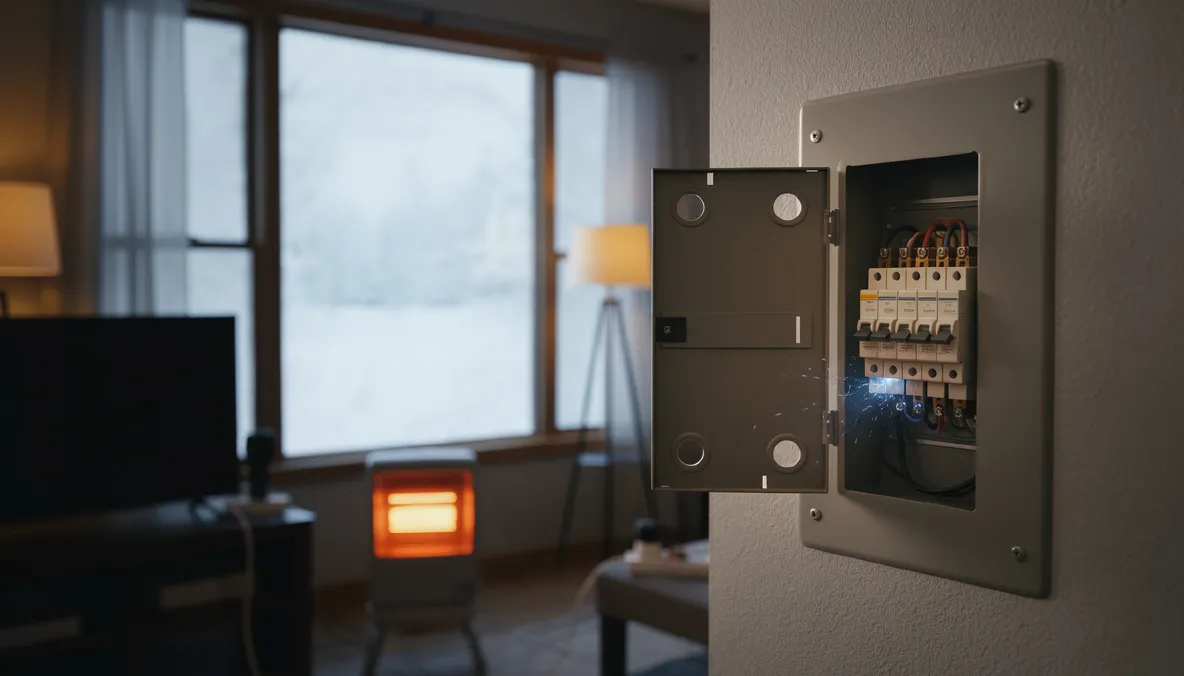

A generator automatically starts through a system called an automatic transfer switch that detects a power outage and signals the generator to turn on within seconds, restoring electricity without any manual effort.
When the grid power fails, the system senses the interruption immediately. Within moments, the generator engine starts, the transfer switch shifts the electrical load, and your home is powered again. It feels seamless because it is designed to be.
If you live in areas like Webster, Wisconsin, Cameron, Wisconsin, Minong, Wisconsin, or across Northwestern Wisconsin, this kind of reliability matters. Power outages are not rare, and having a system that reacts instantly can make a real difference in comfort and safety.
Table of Contents
How Does A Standby Generator Automatically Start?
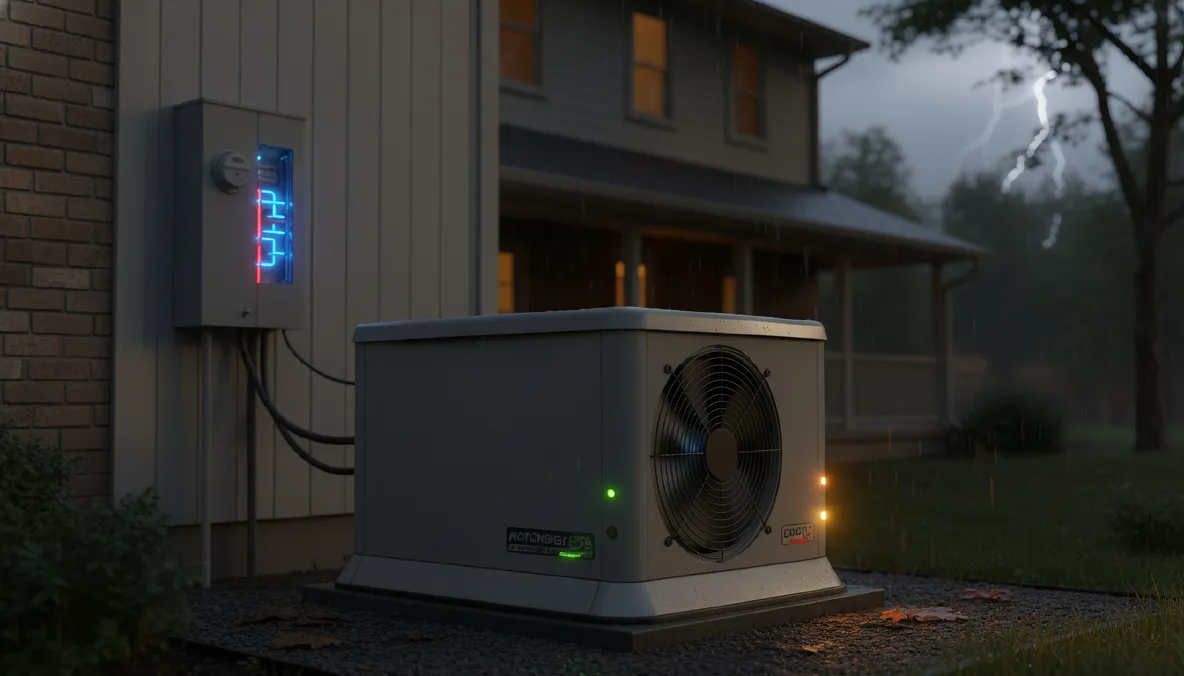
A standby generator is permanently installed outside your home and connected directly to your electrical system. It runs on fuel such as natural gas or propane.
Here is what happens step by step:
- Power goes out
- The automatic transfer switch detects the outage
- The generator engine starts automatically
- Electricity is redirected to your home
- Once power returns, the system switches back and shuts down
The key component is the automatic transfer switch. Without it, the generator would not know when to start or stop.
This entire process usually takes less than 30 seconds. That means your lights, refrigerator, and heating systems are back online almost immediately.
How Does a Home Generator Automatically Start?
A home generator converts mechanical energy into electrical energy through a straightforward but highly effective process. The engine burns fuel such as gasoline, diesel, or natural gas which drives the internal components and spins an alternator. This rotation creates a magnetic field inside the alternator, producing electrical current that can be used to power your home.
Generators do not depend on an existing power source. Instead, they generate electricity independently, making them essential during outages. However, like any mechanical system, components can wear out over time.
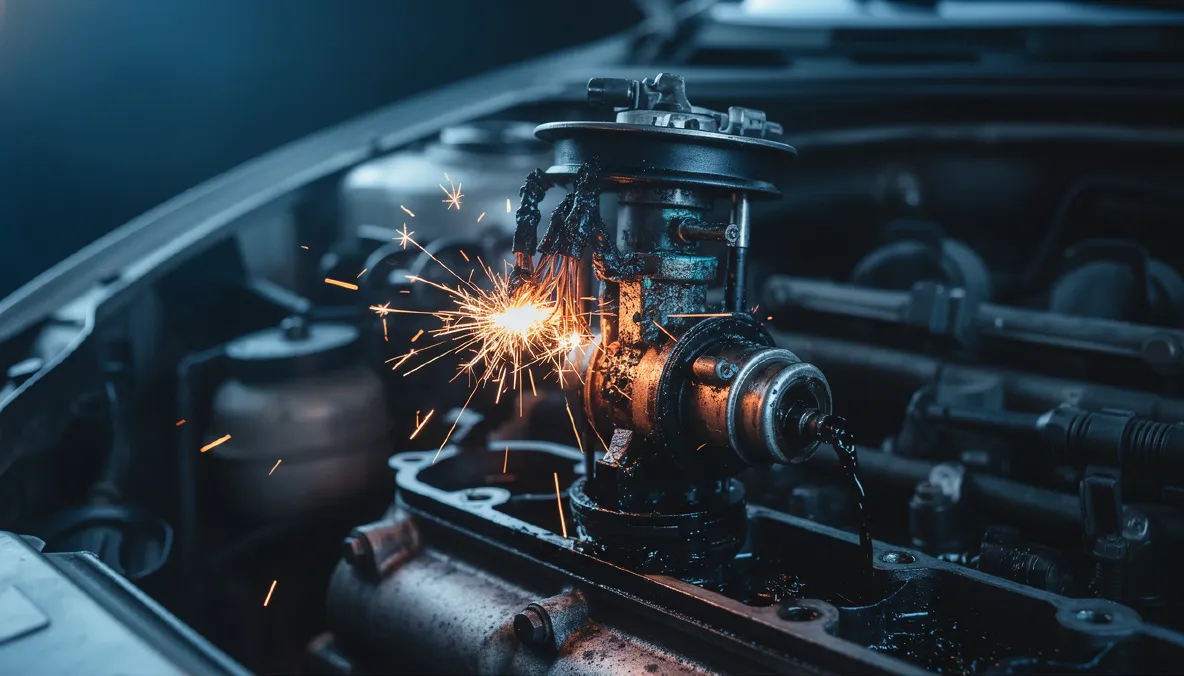
Understanding issues such as generator stator failure causes is important, as the stator plays a critical role in producing electricity within the alternator. Failures can occur due to overheating, insulation breakdown, or prolonged use without proper maintenance.
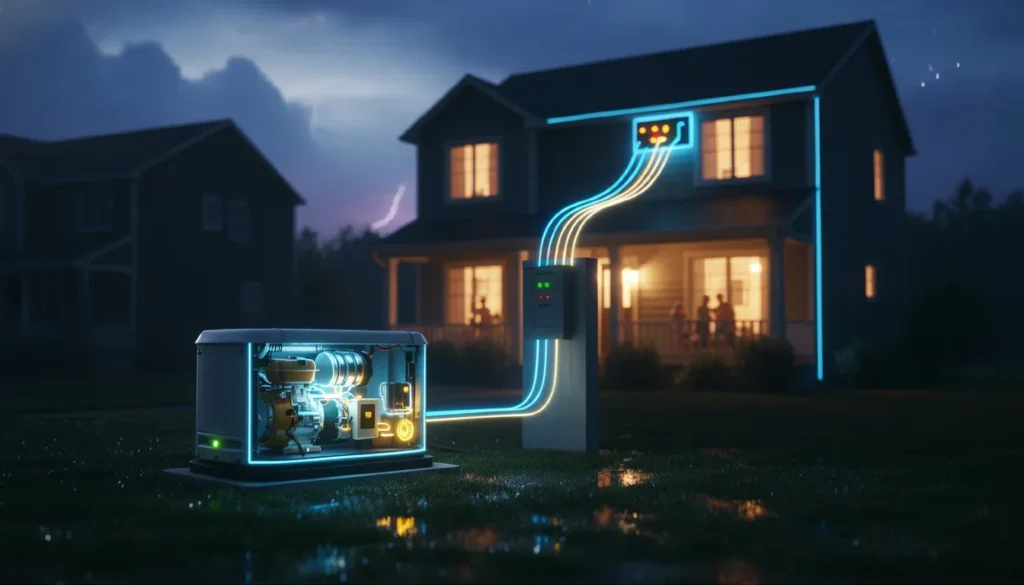
In a residential setup, the generator is connected directly to your home’s electrical panel, typically through a transfer switch. When the system is activated either manually or automatically it begins supplying power to essential circuits like lighting, refrigeration, and heating, or even the entire house depending on the generator’s capacity. This ensures uninterrupted power while also maintaining safety and efficiency within your electrical system.
For homeowners searching for electrician services or an electrician near me, installation and setup are critical. A poorly installed system can fail when you need it most.
How Backup Generators Work
Backup generators fall into two main categories: portable and standby.
Portable generators are smaller and require manual setup. Standby generators are automatic and permanently installed.
Portable generators require you to:
- Move them into position
- Start them manually
- Connect appliances or circuits
Standby systems remove all of that effort. They are always ready.
If you have ever wondered how a portable generator works for a house, it typically powers selected appliances either through heavy-duty extension cords or by connecting to a transfer switch.
This setup allows homeowners to keep essential devices like refrigerators, lights, and small appliances running during outages. However, it requires more manual effort compared to standby systems, as you need to start the generator and manage the connections yourself.
While it is less convenient, it remains a more affordable option for backup power. It’s also important to use it properly, because improper connections or load handling can sometimes lead to issues like a generator causing power surges, which may damage sensitive electronics. Taking basic precautions and using the right setup can help ensure safe and reliable operation.
How Do Residential Backup Generators Work?
Residential backup generators are designed specifically for home use. They are sized based on your energy needs.
Some homes power only essentials like:
- Refrigeration
- Heating systems
- Lighting
Others run the entire house, including HVAC and large appliances.
When installed correctly by professionals like Meyers Electric, the system integrates smoothly with your home’s electrical panel.
This is where local expertise matters. Homes in Rice Lake and surrounding communities often deal with seasonal storms, making backup power more than just a convenience.
How a Standby Generator Automatically Keeps Your Home On
The automation is what sets standby generators apart.
The system constantly monitors incoming power. The moment voltage drops or disappears, it reacts instantly.
Here is what keeps everything running:
- Continuous power monitoring
- Automatic engine startup
- Seamless transfer of electrical load
- Automatic shutdown when power returns
This process ensures:
- No spoiled food
- No frozen pipes in winter
- No interruption to work or daily life
If you are asking how long a standby generator runs continuously, most systems can operate for days as long as they have fuel. Natural gas systems can run indefinitely since they connect directly to a utility line.
Cost and Lifespan Considerations
Many homeowners ask, “What does a whole house generator cost?”
The answer depends on:
- Generator size
- Installation complexity
- Fuel type
- Electrical upgrades required
On average, a full system can range from a few thousand dollars to significantly more for larger homes.
Now consider longevity.
If maintained properly, you might ask how long backup generators last. Most standby generators last between 15 to 30 years. Regular servicing plays a big role in that lifespan.
Using a Generator Safely at Home
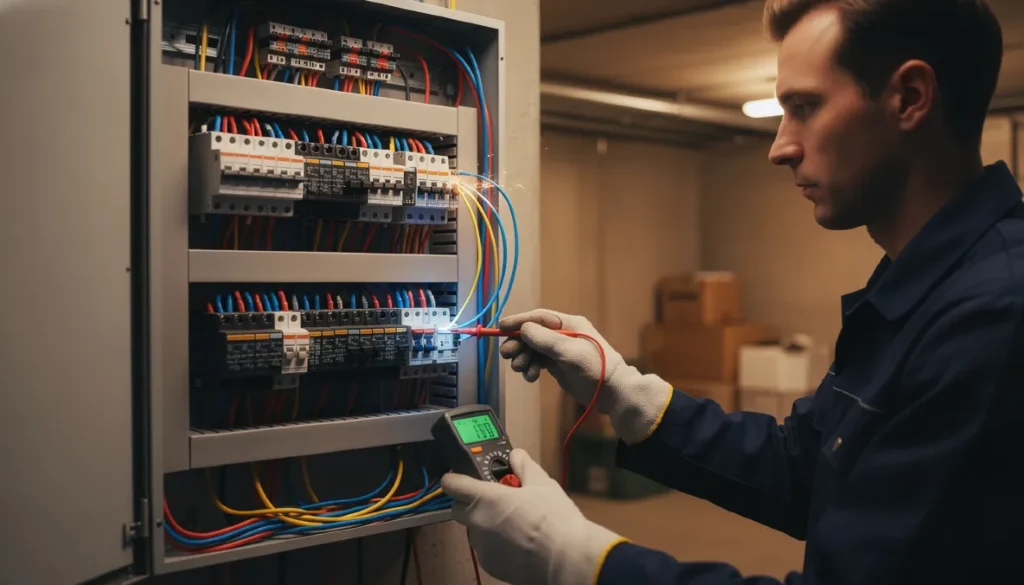
Understanding How to use a generator to power your house is important for safety.
Key points include:
- Never run generators indoors
- Ensure proper ventilation
- Use a transfer switch to avoid backfeeding
- Schedule regular maintenance
Backfeeding is dangerous. It can send electricity back into power lines and harm utility workers.
This is why professional installation is not optional. It is essential.
Why Professional Installation Matters
Searching for an electrician near me might seem simple, but generator systems are complex.
Professional electricians ensure:
- Correct load calculations
- Safe wiring
- Compliance with local codes
- Proper system testing
If you are in Northwestern Wisconsin, working with experienced electricians ensures your system performs when it matters most. From routine maintenance to complete generator installation and service, skilled professionals help keep your backup power system reliable, efficient, and ready for any outage.
Whether you’re upgrading an existing setup or installing a new generator, expert guidance ensures proper sizing, safe connections, and long-term performance you can depend on.For assistance, you can contact 715-234-3901 to discuss installation or service needs.
FAQs
How does a generator know when to turn on automatically?
The generator relies on an automatic transfer switch that constantly monitors your power supply. When it detects a loss of electricity, it signals the generator to start within seconds.
Can a generator run an entire house?
Yes, depending on its size and capacity, a generator can power either essential circuits or the entire home. Whole house systems are designed to handle larger electrical loads efficiently.
Is a portable generator enough for home use?
Portable generators can power basic appliances but require manual setup and fuel management. They are useful for short outages but less convenient than standby systems.
How often should a generator be serviced?
Most generators should be serviced at least once a year or after a certain number of operating hours. Regular maintenance ensures reliability and extends the system’s lifespan.
Conclusion
Generator Automatically Start are built for one purpose: to remove the stress of power outages. They detect problems instantly, start without intervention, and keep your home running smoothly.
Whether you live in Webster, Cameron, Minong, or near Rice Lake, having a dependable backup system is more than a luxury. It is a practical solution to unpredictable power loss.
Understanding how generator systems work helps you make better decisions about installation, cost, and maintenance. And when the lights go out, that knowledge pays off immediately.