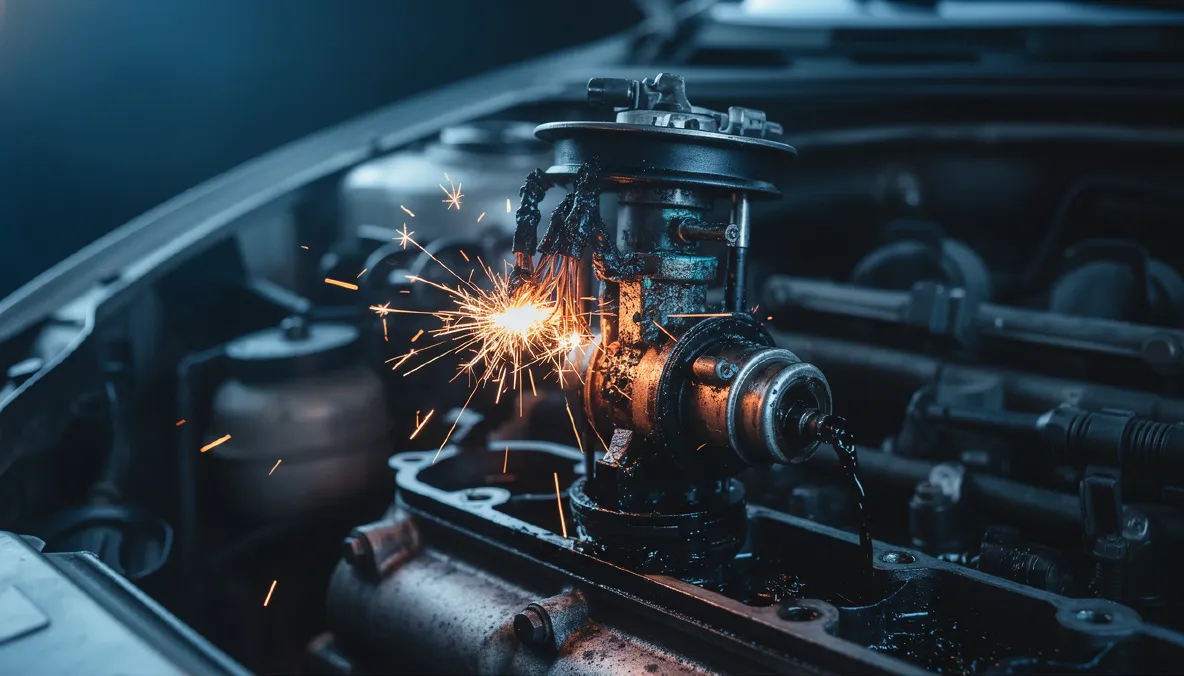

If your Generator Causing Power Surges, the short answer is this: it’s usually struggling to maintain a steady fuel or air flow, or it’s dealing with inconsistent load demand. That imbalance causes the engine to speed up and slow down repeatedly, which you experience as power surges.
Table of Contents
Generator Causing Power Surges? Causes & Fixes
Power surging is not random. It happens for specific mechanical or electrical reasons, and most of them are fixable without replacing the whole unit.
Here are the most common causes:
1. Dirty or Clogged Carburetor
This is the number one reason. Old fuel leaves residue that blocks proper fuel flow. When fuel delivery becomes uneven, your generator starts hunting for the right speed.
Fix:
Clean the carburetor thoroughly or use a carb cleaner. If buildup is severe, a rebuild kit may be needed.
2. Bad or Old Fuel
Fuel that’s been sitting too long breaks down. It loses efficiency and can cause irregular combustion.
Fix:
Drain the tank and refill with fresh fuel. Adding a stabilizer helps if you store fuel for long periods.
3. Air Filter Restrictions
A clogged air filter chokes airflow. The engine compensates by fluctuating speed.
Fix:
Check and replace the air filter if it looks dirty or oily.
4. Governor Issues
The governor controls engine speed. If it’s sticking or worn out, your generator won’t maintain steady RPM.
Fix:
Inspect the governor linkage. Adjust or replace if needed.
5. Load Problems
Too much or inconsistent electrical demand can cause instability.
Fix:
Remove non essential appliances and test again. Spread load evenly.
Generator doing this, is it normal?
No, surging is not normal behaviour. A healthy generator should run at a consistent speed and produce steady, reliable power without noticeable fluctuations. Consistent performance is especially important when your home relies on backup power during outages, and systems like whole house surge protection can further safeguard your appliances from unexpected electrical spikes.
That said, slight fluctuations can occasionally occur when a heavy appliance turns on. For example, when a refrigerator compressor kicks in or an HVAC system starts up, you might notice a brief change in the generator’s sound or load. These momentary shifts are typically normal and expected.
However, if the surging is frequent, prolonged, or severe, it could indicate an underlying issue such as fuel delivery problems, a clogged air filter, or a faulty governor. In such cases, it’s important to address the problem early not only to protect your generator but also to ensure your home’s electrical system, especially if supported by whole house surge protection, remains safe and stable.
But if your generator is constantly revving up and down, something is wrong. That’s when you need to start looking at Generator surging symptoms such as:
- Engine speed rising and falling repeatedly
- Flickering lights
- Appliances not running smoothly
- Unusual engine noise
Ignoring these signs can lead to long term damage.
Why is my brand new generator surging?
A new generator should not surge, but it does happen more often than people expect. This is also a good reminder of why surge protection matters, since unstable power can impact both the generator and any connected appliances.
Here are a few reasons:
1. Factory Residue or Debris
Sometimes small particles remain in the fuel system from manufacturing. These can restrict fuel flow and cause inconsistent engine performance right from the start.
2. Improper Setup
If oil levels, fuel type, or load setup aren’t correct, performance suffers. Even minor setup mistakes can lead to noticeable surging, especially under load.
3. Carburetor Calibration
Even new units can have slightly misadjusted carburetors. This affects the air-fuel mixture, leading to irregular engine speed and unstable output.
4. Low Quality Fuel Right Out of the Gate
Using poor fuel from the start can create immediate issues. Contaminated or low-grade fuel can clog components and reduce combustion efficiency.
If you’re dealing with a brand new generator surging, don’t assume it will fix itself. Early attention prevents bigger repairs and helps protect your electrical system another reason why surge protection matters for long-term reliability.
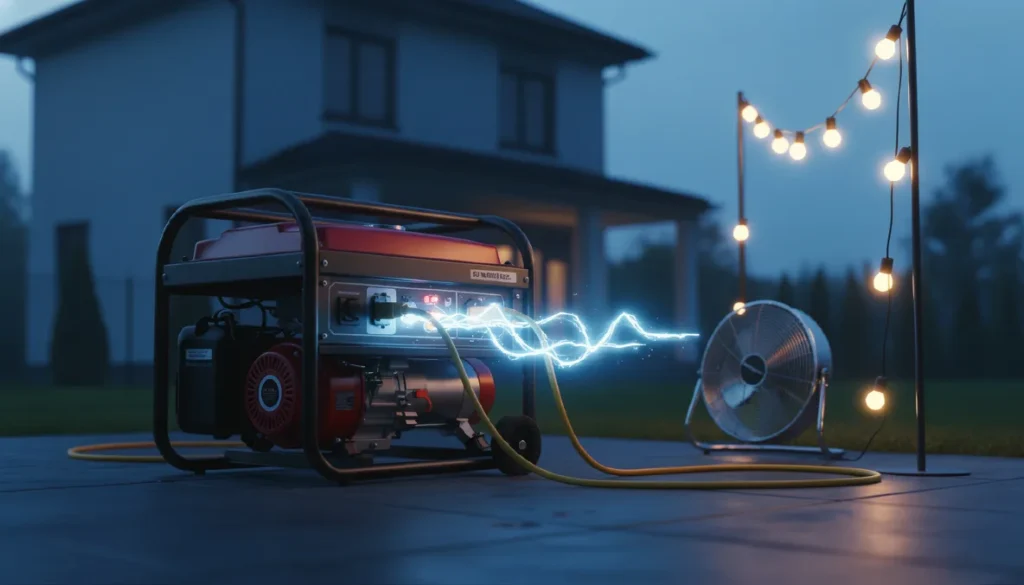
Generator Rough Running Troubleshooting
Let’s walk through a simple, practical troubleshooting process you can follow step by step to diagnose and resolve generator surging or rough operation before it leads to bigger issues.
Step 1: Check Fuel First
Always start here. Old or contaminated fuel is one of the most common causes of rough running. Drain any stale fuel and refill with fresh, high-quality gasoline. Also inspect for water or debris in the tank these small issues can quickly lead to unstable engine performance.
Step 2: Inspect the Carburetor
If the generator still surges, remove and clean the carburetor thoroughly. Even a brand-new unit can have minor blockages or residue affecting fuel flow. A clogged carburetor disrupts the air-fuel mixture, which directly causes uneven running or surging.
Step 3: Look at the Air Filter
A dirty or restricted air filter can choke airflow and throw off engine balance. Swap it out if there’s any doubt it’s an inexpensive fix and often overlooked during troubleshooting. Clean airflow is essential for smooth generator performance.
Step 4: Test Without Load
Run the generator without any appliances connected. If you notice generator surging with no load, the issue is likely internal such as fuel delivery, carburetor tuning, or engine components rather than something external.
Step 5: Evaluate Electrical Output
If the engine seems stable but your power output fluctuates, you may be dealing with voltage regulation issues. This can lead to inconsistent power delivery, which may damage sensitive electronics. In these cases, it’s best to fix power surges with an electrician who can properly diagnose and stabilize the electrical side of your generator system.
By following these steps in order, you can quickly narrow down the cause of generator surging and take the right action early before it turns into a costly repair.
Why is my generator revving up and down?
This happens because the engine is constantly trying to correct itself.
Think of it like driving a car and repeatedly pressing and releasing the gas pedal. The generator is doing the same thing automatically because it cannot stabilize.
The root causes usually include:
- Fuel flow inconsistency
- Air intake imbalance
- Governor malfunction
If you’re searching for How to fix a surging generator, the key is to restore balance in those three areas.
Generator surging with new carb
This one frustrates a lot of people. You replace the carburetor and expect everything to work perfectly, but the surging continues.
Here’s why:
- The issue might not have been the carburetor
- Fuel lines could still be clogged
- The governor may be out of adjustment
- Air leaks could be present
A new part doesn’t fix a system problem. You need to check the whole setup.
When to Call a Professional
Sometimes, DIY fixes only go so far.
If you’ve cleaned the carburetor, replaced the fuel, checked the air filter, and the problem persists, it’s time to bring in expert help.
For residents in Balsam Lake, Siren, Webster, and North Western Wisconsin Electricians, reliable help is available locally. If you’re near Rice Lake, companies like Meyers Electric can inspect both generator performance and your home’s electrical system to make sure everything is safe and stable.
If you’re searching for an electrician near me or need dependable electrician services, getting professional support can save you from costly damage.
You can also reach out directly at 715-234-3901 for assistance in that region.
Practical Tips to Prevent Future Surging
Prevention is simpler than repair. Here’s what works:
- Use fresh, high quality fuel
- Run your generator regularly to prevent buildup
- Clean components every few months
- Avoid overloading the unit
- Store properly during off seasons
These small habits go a long way.

FAQs
Why does my generator surge when nothing is plugged in?
If your generator surges without a load, it usually points to a fuel or carburetor issue. The engine is not receiving a steady supply, so it keeps adjusting speed unnecessarily.
Can a generator surge damage appliances?
Yes, power surges can harm sensitive electronics over time. Devices like TVs, computers, and refrigerators are especially vulnerable to inconsistent voltage.
Is it safe to keep using a surging generator?
It’s not recommended. Continued use can wear out internal components faster and increase the risk of electrical damage in your home.
How long does it take to fix a surging generator?
Simple fixes like cleaning a carburetor can take under an hour. More complex issues involving electrical systems or governors may require professional help and more time.
Conclusion
A surging generator is your equipment’s way of telling you something is off. Most of the time, it comes down to fuel flow, air intake, or load imbalance.
Start with the basics. Clean components, use fresh fuel, and test under controlled conditions. If the problem sticks around, don’t guess. Bring in a professional to get it sorted safely.
Taking action early keeps your generator reliable when you need it most.