
If your lights are flickering, the most common causes are loose wiring connections, overloaded circuits, voltage fluctuations, or problems with your electrical panel.
Table of Contents
Why Are Your Lights Flickering?
In some cases, the issue may come from the utility line outside your home. While it can be minor, flickering can also signal a larger safety concern that requires immediate attention.
In homes across Rice Lake and nearby communities like Ladysmith, Shell Lake, Spooner, and Hayward, flickering lights are one of the most frequent service calls for North Western Wisconsin Electricians.
What Flickering Lights Actually Mean
Flickering happens when the flow of electricity to a light fixture is inconsistent. That inconsistency can be momentary or ongoing. Electricity moves from your service line through the electrical panel, into branch circuits, and finally into light fixtures. If the electrical panel is overloaded, it can strain the system and create uneven power distribution. Any disruption along that path can cause visible dimming or blinking.
The issue might be as simple as a loose bulb. Or it could be tied to deeper concerns like deteriorating wiring or a failing breaker.
When homeowners start asking about fixing flickering lights, they usually describe one of three patterns:
- A single light flickers occasionally
- Multiple lights dim when appliances run
- Lights flicker throughout the entire house
Each scenario points to a different root cause.
Single Light Flickering
If only one fixture flickers, the problem is usually local. Common causes include:
- Loose bulb
- Faulty light socket
- Worn fixture wiring
- Incompatible LED bulb
- Loose neutral wire connection
LED bulbs are sensitive to voltage variations. If you recently switched from incandescent bulbs to LED and noticed flickering, the issue could be compatibility with your dimmer switch.
Start simple. Tighten the bulb. Replace it with a new one. If flickering continues, it may require troubleshooting electrical issues at the fixture level.
If you live in older homes in Ladysmith or Spooner, aging wiring inside ceiling boxes is often the hidden cause. Over time, wire nuts loosen and insulation degrades.
Lights Flicker When Appliances Turn On
Do your lights dim when the refrigerator starts? When the furnace kicks in? When the microwave runs?
This is usually a sign of temporary voltage drop. Large appliances draw high startup current. If your panel or circuits are near capacity, lights can dim briefly.
Occasional dimming is normal. Repeated or severe flickering is not.
Possible causes include:
- Undersized circuits
- Loose panel connections
- Shared neutral wires
- Aging breakers
- Service line issues
Homes in Hayward and Shell Lake that were built decades ago often have panels that were never upgraded to handle modern load demands. This is one of the most common reasons lights flicker when appliances turn on, especially as newer equipment puts added strain on outdated electrical systems. Adding new appliances without upgrading service capacity can lead to recurring flicker problems.
This is where residential electrical repairs become necessary.
Whole House Flickering
If lights across the entire home flicker randomly, that signals something more serious.
Common causes include:
- Loose service connection
- Failing main breaker
- Corroded meter base
- Utility line problem
- Overloaded service panel
Whole house flickering should not be ignored. A loose neutral connection at the service entrance can create dangerous voltage imbalances. That can damage appliances and electronics quickly.
If you notice lights getting unusually bright before dimming, turn off major appliances and contact a licensed electrician immediately. Voltage swings can shorten the lifespan of HVAC systems, refrigerators, and computers.
In Rice Lake and surrounding communities, these types of calls often require full panel inspection.
Warning Signs You Should Not Ignore
Flickering lights sometimes come with additional clues. Pay attention if you notice:
- Buzzing sounds from panel
- Burning smell near outlets
- Warm switch plates
- Tripped breakers
- Outlets not working
- Frequent bulb burnout
These are not cosmetic problems. They indicate instability in your electrical system.
Troubleshooting electrical issues early prevents larger and more expensive repairs later.
Electrical Panel Problems
Your electrical panel is the heart of your home’s system. When lights flicker repeatedly, the panel is often the root cause.
Panels wear out. Breakers weaken. Connections loosen.
Signs your panel may need attention:
- Breakers feel loose
- Rust inside panel
- Panel older than 30 years
- Fuses instead of breakers
- Lights dim when multiple rooms are used
Many homes across North Western Wisconsin Electricians service areas still operate with outdated panels. As families add home offices, smart devices, and larger appliances, demand increases. The old system struggles to keep up.
Upgrading the panel stabilizes voltage and reduces flickering.
Loose Wiring and Safety Risks
Loose connections create resistance. Resistance creates heat. Heat leads to potential fire hazards.
According to national fire safety data, faulty wiring remains a top cause of residential fires.
If flickering is caused by a loose neutral or damaged wire inside walls, that issue can escalate quietly over time. Residential electrical repairs are not optional in these cases.
A licensed electrician will:
- Inspect panel connections
- Test voltage levels
- Check grounding system
- Examine meter base
- Evaluate branch circuits
Professional inspection ensures the issue is identified accurately rather than guessing.
Outdoor Utility Line Issues
Sometimes the problem is outside your home.
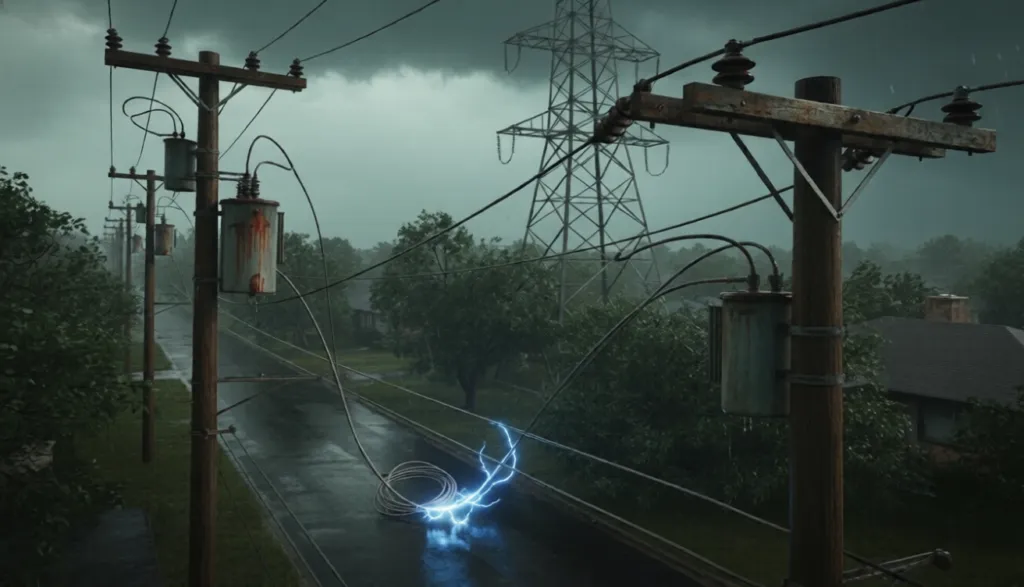
If neighbors are also experiencing flickering, the cause may lie with the utility provider. Storm damage, worn transformers, or loose overhead connections can create system wide voltage instability.
If you suspect this, call your utility provider first. If they confirm the issue is not on their side, then an electrical repair service should inspect your service entrance.
Is It Safe to Wait?
Many homeowners delay action because flickering seems minor.
Here is the rule:
- Occasional brief dimming during appliance startup is usually normal.
- Persistent flickering across rooms is not normal.
- If the pattern changes or becomes more frequent, schedule an inspection.
- Electrical systems do not fix themselves.
The Process of Fixing Flickering Lights
When you call for fixing flickering lights, here is what typically happens:
- Initial inspection
- Voltage testing
- Panel examination
- Load assessment
- Connection tightening
- Breaker replacement if needed
- Recommendation for panel upgrade if necessary
An experienced electrician works methodically. Guesswork leads to repeat problems.
For homeowners in Rice Lake and nearby areas, contacting Meyers Electric for inspection ensures the issue is properly diagnosed. If you need help, you can reach them at 715 234 3901.
How to Prevent Future Flickering
While some causes are unavoidable, prevention helps.
- Avoid overloading outlets
- Use surge protection
- Replace outdated panels
- Upgrade wiring during remodels
- Schedule periodic inspections
Homes in growing communities like Hayward and Ladysmith are adding more electrical load every year. Planning ahead keeps your system stable.
Routine maintenance costs less than emergency repairs.
When to Call Immediately
Call right away if:
- Lights brighten dramatically
- Multiple breakers trip repeatedly
- You smell burning plastic
- You see sparks
- Appliances shut off unexpectedly
These are not minor inconveniences. They signal dangerous imbalance.
Meyers Electric handles these situations quickly and professionally across Rice Lake and the surrounding service region.
Why Professional Diagnosis Matters
DIY electrical fixes may seem tempting. Tightening visible screws or swapping bulbs is fine. Opening panels without proper training is not.
Electricity is unforgiving. Voltage imbalances can damage electronics or create fire hazards.
A professional electrical repair service understands load calculations, grounding systems, and code compliance.
Getting it done right once is cheaper than repairing damaged appliances later.
FAQs
Why do my lights flicker only at night?
Night time flickering often occurs when neighbourhood electrical demand increases. This can expose weak service connections or voltage drops inside your panel. If the issue repeats nightly, it should be inspected to prevent long term stress on appliances.
Can flickering lights increase my electric bill?
Flickering itself does not significantly increase usage. However, unstable voltage can strain appliances and reduce efficiency. If voltage irregularities exist, resolving them can protect equipment and stabilize performance.
Are LED lights more prone to flickering?
Yes, LED lights react more visibly to voltage fluctuations. Even small inconsistencies can cause noticeable flicker. If switching to LED triggered the issue, compatibility with dimmers or wiring may need evaluation.
Should I replace my electrical panel if lights flicker?
Not always, but aging panels are common culprits. If your panel is outdated or overloaded, replacement may be recommended after inspection. A licensed electrician can test capacity and determine if an upgrade is necessary.
Conclusion
Flickering lights are rarely random. They usually point to loose connections, overloaded circuits, aging panels, or service line issues. While sometimes minor, they can also signal deeper safety concerns.
Most homeowners searching for an electrician to fix flickering lights are dealing with exactly these hidden issues problems that often worsen if left unchecked.
If your home in Rice Lake, Ladysmith, Shell Lake, Spooner, or Hayward is experiencing persistent flickering, do not ignore it. Early troubleshooting electrical issues protects your home, your appliances, and your peace of mind.
If you are unsure where the problem lies, a professional inspection is the safest path forward. Electrical systems are meant to operate quietly and consistently. When they do not, it is time to take action.