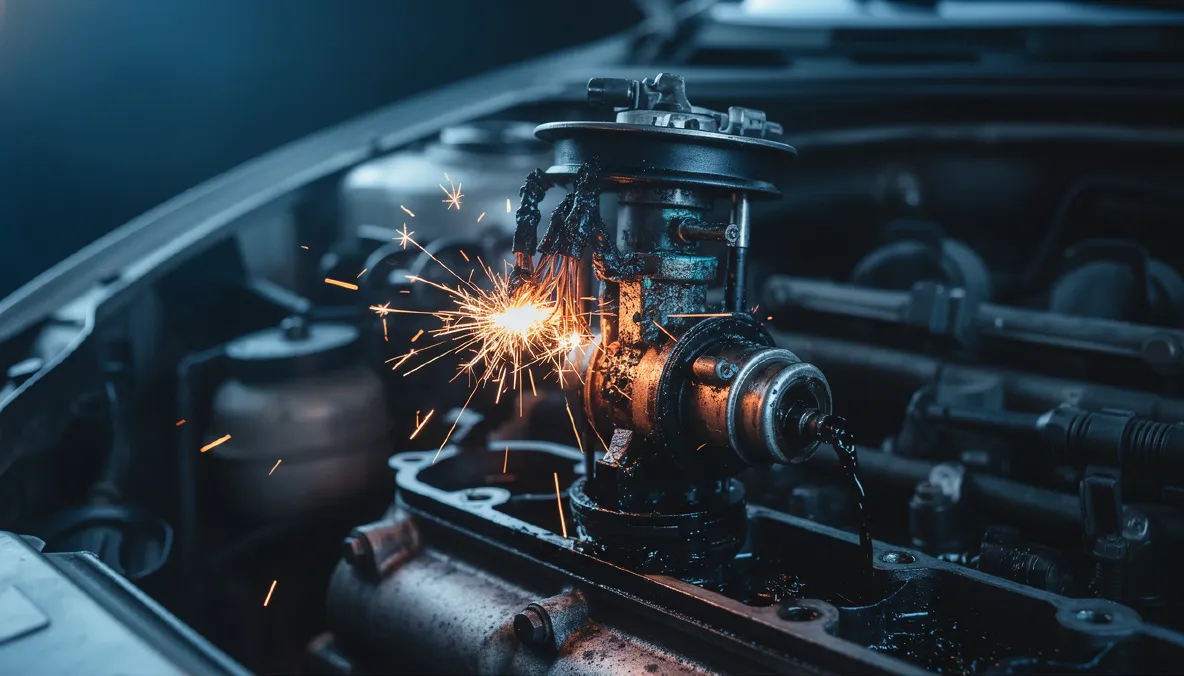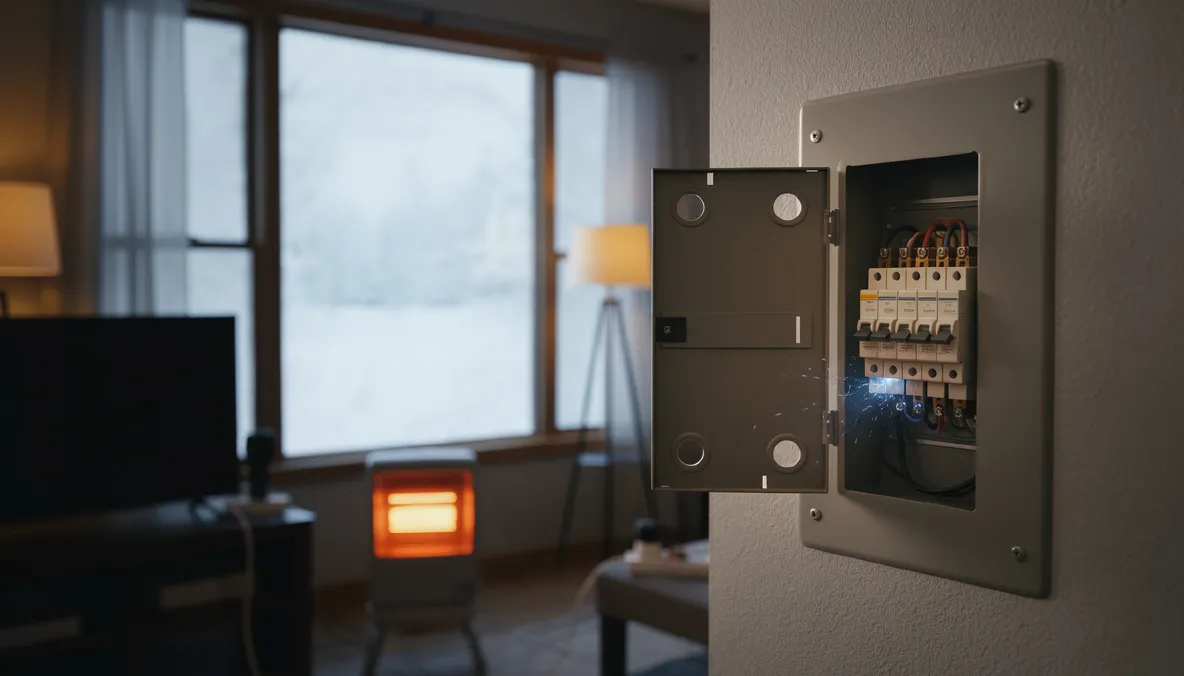

Signs of an overloaded electrical panel in Wisconsin include frequently tripped breakers, flickering or dimming lights when appliances start, and warm or buzzing, sizzling outlets and panels.
Table of Contents
Signs Your Electrical Panel Is Overloaded
A burning smell, charred/discolored outlets, and reliance on excessive extension cords also signal that your home’s electrical system is overloaded and poses a potential fire hazard.
For homes and small businesses across Siren, Webster, Cameron, Minong, and the greater North Western Wisconsin region, recognizing these warning signs early can prevent serious electrical hazards.
Electricity has become more demanding than ever. Older homes were not designed for modern lifestyles filled with high powered appliances, home offices, EV chargers, and HVAC systems running year round.
In Rice Lake and surrounding communities, many properties still rely on panels installed decades ago. When demand exceeds capacity, problems start quietly before becoming expensive or dangerous.
What Does an Overloaded Electrical Panel Mean
Your electrical panel distributes electricity from the utility company into branch circuits throughout your home or business.
Each breaker protects a circuit from drawing too much current. When the total demand exceeds the panel’s rated capacity, breakers trip to prevent overheating.
Overload does not always mean something dramatic happens immediately. In many cases, overloaded breaker panel problems begin as subtle warning signs that homeowners often overlook. Paying attention to these early indicators is one of the most practical Electrical Safety tips you can follow.
Breakers Trip Frequently
Occasional breaker trips are normal. Repeated tripping on multiple circuits is not.
If resetting breakers becomes part of your weekly routine, that is a strong signal your system is operating beyond its intended load. This is especially common in homes that have added new appliances without upgrading the panel.
In Siren and Webster, we often see lake homes updated with new kitchens or heated garages while still running on older 100 amp service. That mismatch leads to repeated overload conditions.
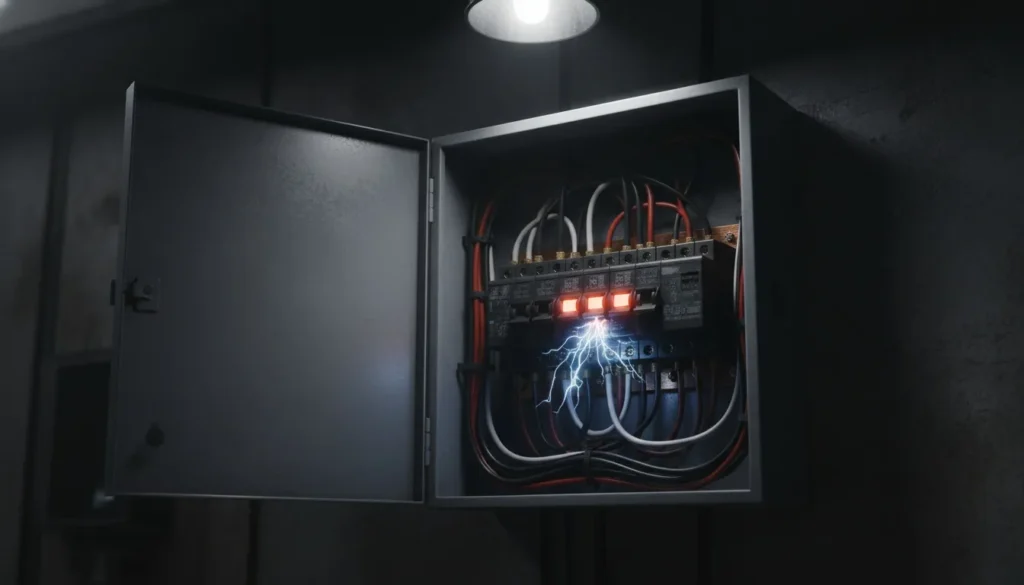
Flickering or Dimming Lights
Lights that flicker when a microwave, air conditioner, or space heater turns on indicate voltage fluctuations. That means your panel is struggling to balance incoming power.
This is not just annoying. Fluctuating voltage stresses electronics and shortens appliance lifespan. In commercial buildings across Cameron and Minong, lighting inconsistencies can also impact productivity and equipment performance.
When flickering becomes consistent, it is time to evaluate Electrical Panels and Service Upgrades rather than replacing bulbs.
Warm or Discoloured Breakers
Touch your panel door carefully. It should never feel hot. Breakers that are warm to the touch or show discoloration may be carrying more current than they should.
Heat is a byproduct of resistance. Excessive heat inside a panel increases fire risk. This is one of the most serious warning signs and should be inspected immediately.
Burning Smell Near the Panel
A faint burning odor or melted plastic smell around your electrical panel should never be ignored. This can indicate overheated wiring or insulation breakdown.
If you smell burning, turn off major appliances and contact a licensed electrician immediately. Delaying inspection can result in arcing or fire behind the panel.
You Rely on Extension Cords for Daily Use
Extension cords are temporary solutions. If you depend on them because you do not have enough outlets or circuits, your system may not meet your electrical demands.
Overloading circuits through multi outlet adapters is a common issue in older North Western Wisconsin properties. While it may seem convenient, it increases strain on already stressed breakers.
Your Panel Is More Than 25 Years Old
Electrical demands today are significantly higher than they were in the 1990s. If your panel has not been evaluated in decades, capacity limitations are likely making it essential to explore solutions for overloaded electrical panels before issues escalate.
Many older panels were rated at 60 or 100 amps. Modern homes often require 150 or 200 amps or more, especially with electric ranges, dryers, hot tubs, or EV chargers.
Electrical panel upgrades for increased capacity are one of the most effective long term solutions.
Adding Major Appliances Causes Issues
Installing a new central air system, tankless water heater, or commercial refrigeration unit without evaluating panel capacity can push the system beyond limits.
For businesses using Electrical Control Panels to manage equipment, overload can disrupt operations and damage machinery. Commercial electrical service inspections are critical before expanding load demands.
Why Overload Happens
Overload typically results from one of these factors:
- Increased appliance usage
- Home additions without service upgrades
- Aging wiring and outdated panels
- DIY circuit modifications
- Growing commercial equipment demands
In many cases, the electrical infrastructure simply did not evolve alongside the building’s needs.
The Risk of Ignoring the Signs
Ignoring overload symptoms increases fire risk. Electrical fires often begin inside panels or behind walls where overheating goes unnoticed.
Beyond safety concerns, overload reduces energy efficiency and damages appliances. Voltage instability shortens the life of refrigerators, HVAC systems, and sensitive electronics.
For both homeowners and business owners in Rice Lake and surrounding communities, proactive inspection protects property value and safety.
When to Consider an Upgrade
An upgrade is not just about fixing a problem. It is about preparing your property for the future.
Consider Electrical Panels and Service Upgrades if:
- Your panel is under 150 amps
- You plan to install EV charging
- You are remodeling kitchens or adding workshops
- You operate commercial equipment
- You experience repeated breaker trips
Electrical panel upgrades for increased capacity allow circuits to distribute load safely, reduce stress across the system, and ensure reliable performance making it essential to hire an electrician for panel upgrade to handle the work safely and correctly.
Residential vs Commercial Considerations
Homes typically deal with overload from lifestyle changes. Businesses face higher stakes.
In commercial environments across Siren and Minong, overloaded systems can halt production, interrupt refrigeration, or damage equipment tied to Electrical Control Panels. Commercial electrical service evaluations ensure systems meet operational demands.
While residential overload causes inconvenience, commercial overload can cause revenue loss.
The Inspection Process
A professional evaluation usually includes:
- Load calculation analysis
- Panel condition assessment
- Circuit mapping
- Breaker testing
- Grounding verification
At Meyers Electric, licensed electricians examine both visible panel components and hidden load patterns to determine whether redistribution or full upgrade is needed, just call 715-234-3901.
Sometimes a simple circuit rebalancing solves the issue. Other times, a full panel replacement is the safer long term choice.
Preventive Electrical Safety Tips
Prevention reduces risk and cost. Keep these practical Electrical Safety tips in mind:
- Avoid overloading single outlets
- Use dedicated circuits for high demand appliances
- Schedule inspections before remodeling
- Replace outdated panels proactively
- Never ignore repeated breaker trips
Small changes now prevent major failures later.
Serving North Western Wisconsin Communities
Electrical systems across Siren, Webster, Cameron, Minong, and Rice Lake vary widely depending on age and construction style. Rural properties often have detached garages, workshops, or pole barns that increase electrical demand.
Working with experienced North Western Wisconsin electricians ensures that upgrades align with local building codes and weather conditions.
Meyers Electric supports both homeowners and businesses with inspections, load analysis, and professional Electrical Panels and Service Upgrades tailored to modern usage.

FAQs
How do I know if my electrical panel is too small for my home?
If your breakers trip frequently when running multiple appliances or your home still operates on a 100 amp panel, capacity may be insufficient. A professional load calculation provides clear confirmation.
Is flickering lighting always caused by overload?
Not always. It can result from loose wiring or voltage drops, but persistent flickering during appliance start-up often signals distribution imbalance inside the panel.
Can I upgrade just a few breakers instead of the whole panel?
Replacing breakers alone does not increase total capacity. If demand exceeds panel rating, Electrical panel upgrades for increased capacity are usually necessary.
How long does a panel upgrade take?
Most residential upgrades are completed within one day, depending on complexity and inspection scheduling. Commercial projects may require more planning due to equipment integration.
Is an overloaded panel dangerous even if nothing seems wrong?
Yes. Overload increases heat buildup, which can damage wiring insulation over time. Early correction reduces long term fire risk and protects equipment.
Conclusion
An overloaded electrical panel rarely fails without warning. Frequent breaker trips, flickering lights, warm breakers, and burning smells are clear indicators that your system needs attention.
Whether you live in Siren, Webster, Cameron, Minong, or Rice Lake, addressing these signs early protects your property and ensures safe power distribution.
Modern energy demands continue to rise, and older panels often cannot keep up. A professional inspection provides clarity, whether the solution is circuit redistribution or a full service upgrade. Acting early keeps your electrical system safe, stable, and ready for the future.