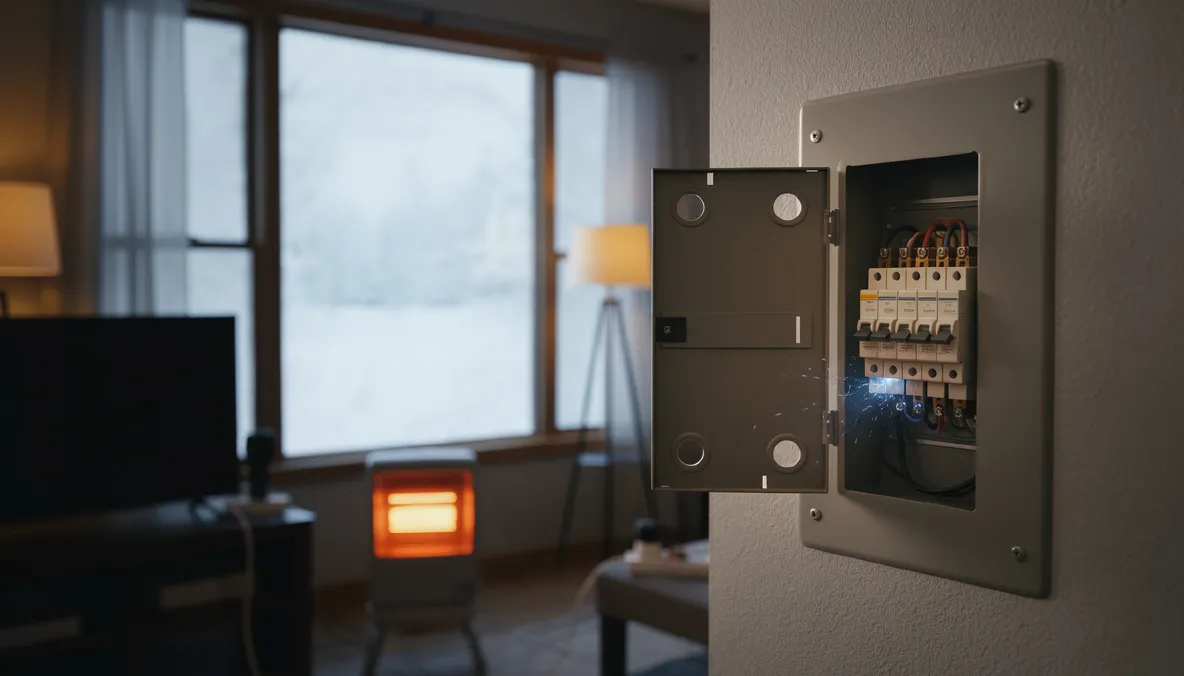

A circuit breaker panel overloaded situation usually reveals itself through frequent breaker trips, flickering lights, buzzing sounds from the panel, or outlets that feel warm to the touch.
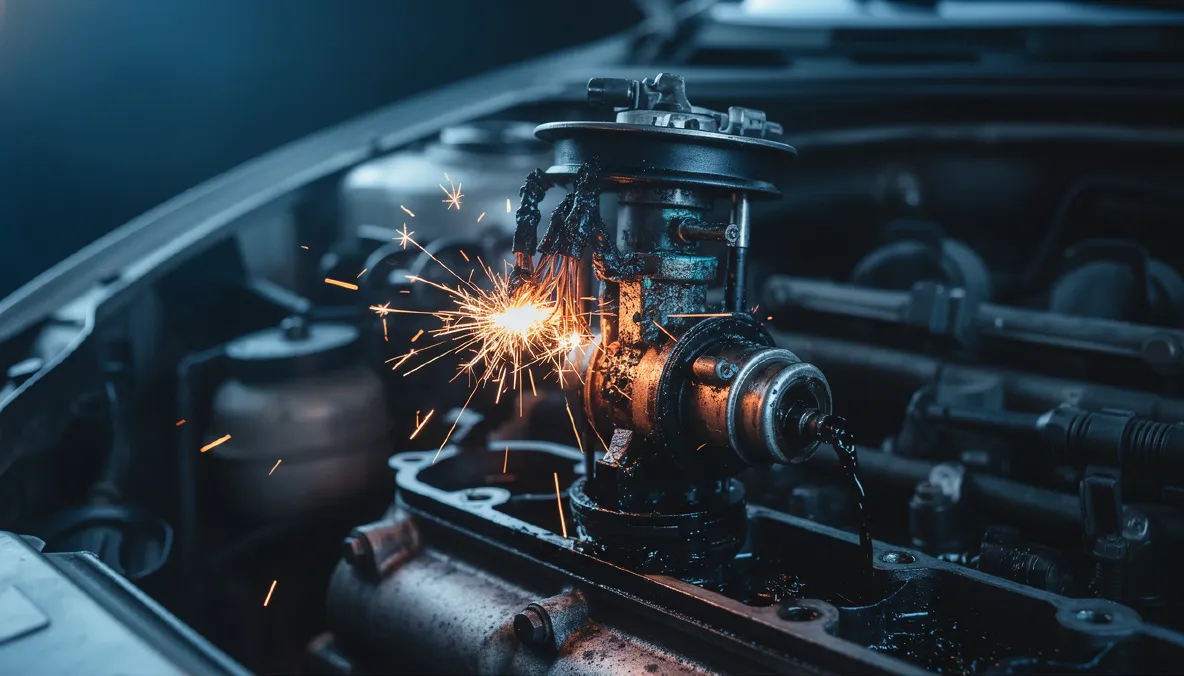
A burning smell especially an electrical burning odour or the scent of melting plastic near the panel or outlets is a critical warning sign of trouble.
Table of Contents
Circuit Breaker Panel Is Overloaded
When electrical demand exceeds what the panel can safely distribute, the breakers shut off power to prevent overheating or fire.
Recognizing these signs early helps protect your home, appliances, and electrical system before a small issue becomes a serious safety risk. A burning smell near your breaker box or outlets is a serious warning sign of potential overload and fire hazard.
Across Northwestern Wisconsin, homeowners rely on breaker panels also known as breaker boxes every day without thinking about them. Everything from kitchen appliances to heating systems depends on this central electrical hub.
But when homes add new devices, EV chargers, or workshop equipment, electrical demand increases. If the panel was designed decades ago for a lighter load, it may struggle to keep up.
Understanding how to recognize overload conditions can save time, money, and frustration. Some homeowners’ insurance policies may deny claims if a fire was caused by a neglected or outdated electrical system.
What an Electrical Panel Actually Does
Your electrical panel (also known as a breaker box) is the control centre of the home’s electrical system. Power from the utility company enters the panel and is distributed through circuits that supply electricity to lights, outlets, and appliances. When demand exceeds capacity, it may be necessary to fix an overloaded electrical panel to ensure safe and reliable power distribution throughout the home.
Distributing the electrical load across different circuits is important to prevent overload and ensure that high-power appliances do not trip breakers or cause hazards.
Each breaker inside the panel protects a specific circuit. If too much electricity flows through that circuit, exceeding the circuit’s capacity, the breaker trips to prevent overheating.
A properly sized panel balances electrical demand across circuits so the system runs safely and efficiently.
Older homes in places like Hayward, Chetek, Clear Lake, and Balsam Lake often still rely on panels installed decades ago. At that time, electrical needs were far lower. A refrigerator, some lighting, and a television were considered typical loads.
Today a household may include multiple computers, HVAC equipment, high powered kitchen appliances, and smart home devices. Understanding your home’s electrical system and how it has changed over time is crucial for maintaining safety and reliability.
That difference adds up quickly.
To help avoid overload, homeowners should create a guide for their electrical panel that lists which outlets and appliances are on each breaker.
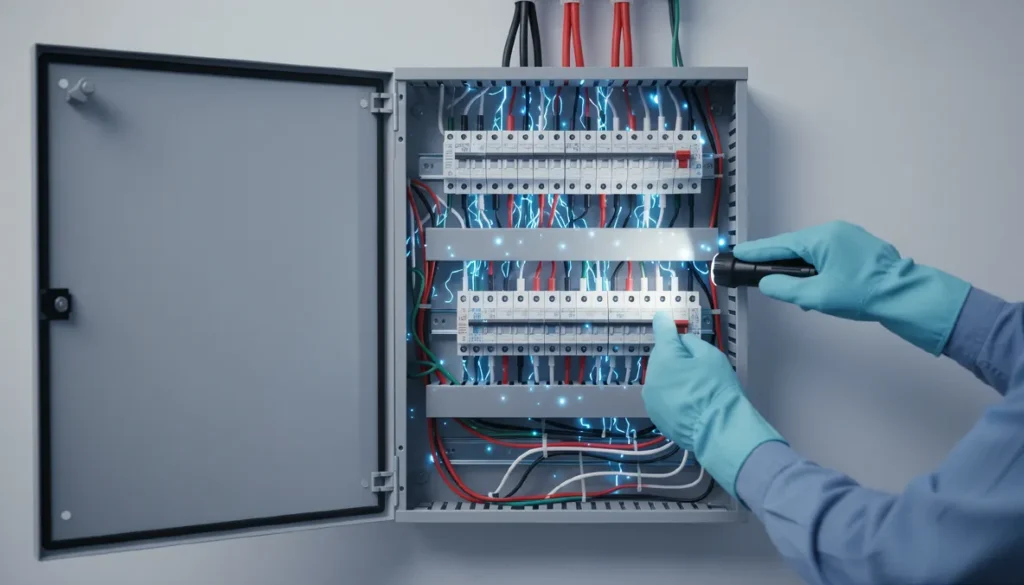
The Most Common Signs Your Breaker Panel Is Overloaded
Electrical overload problems rarely appear suddenly. Most systems show warning signs long before a failure occurs. An overloaded circuit or overloaded circuit breaker can result from plugging multiple devices or high power devices into one circuit, leading to too much power demand.
Frequent Breaker Trips
Breakers are designed to trip when a circuit becomes overloaded. A tripped breaker, also known as a tripped circuit breaker, is a safety mechanism that automatically shuts off power to prevent overheating, electrical fires, or damage to your electrical system.
If it happens occasionally during heavy appliance use, that is normal. If it happens frequently or with everyday devices, it suggests the system is carrying more load than it should.
To fix an overloaded circuit, first turn off the problem circuit at the electrical panel. Next, unplug all devices and appliances connected to that circuit to isolate the cause of the overload. Once the load is removed, reset the circuit breaker by flipping it back to the ‘on’ position.
If the circuit breaker trips again immediately after resetting, there may be a deeper electrical issue that requires professional assistance.
Flickering or Dimming Lights
Lights that dim when appliances start (often referred to as ‘lights dim’) often indicate circuits struggling with power demand. This commonly happens when a microwave, space heater, or air conditioner turns on.
If lights flicker throughout the house instead of on a single circuit, the panel may be near its capacity limit.
Warm Outlets or Electrical Panel
Heat is one of the most important warning signals in electrical systems. Outlets that feel warm or a breaker panel that radiates heat could indicate circuits carrying more power than they should.
Too much heat is a warning sign of an overloaded electrical system and can be dangerous, as it may cause damage like burned outlet covers, melted insulation, and potentially lead to electrical fires if left unaddressed.
Electrical components are designed to operate at controlled temperatures. Excess heat means resistance is increasing and the system is under stress. Excessive current can generate heat that may ignite surrounding materials like wood or drywall, leading to electrical fires.
Buzzing or Crackling Sounds
Electric panels should be quiet. A humming or buzzing sound may suggest loose connections or overloaded breakers struggling to manage current flow.
Ignoring these sounds is risky. Electrical arcing can occur if wiring insulation begins to deteriorate.
Extension Cord Dependence
When homes rely on multiple extension cords or power strips, it often indicates the electrical layout no longer matches the way electricity is used.
This can lead to several devices drawing power from a single circuit.
Why Electrical Panels Become Overloaded
Many homeowners assume overloads are caused by faulty wiring. In reality, most overload situations happen because the electrical system was never designed for modern energy demands.
Too much power demand, outdated panels, and outdated wiring are common causes of overload, as older systems may not be equipped to handle the requirements of today’s appliances and devices.
While faulty wiring is a concern, electrical problems can also arise from outdated panels and outdated wiring, which increase the risk of overloads and potential fire hazards.
Common causes of circuit overloads include using too many high-power appliances on the same circuit and outdated wiring.
Aging Electrical Infrastructure
Panels installed in the 1970s or earlier often provide 60 to 100 amps of service. Modern homes commonly require 200 amps or more to operate safely.
Appliance Upgrades
Major appliances such as ovens, electric dryers, and HVAC systems draw substantial electricity. Installing a dedicated circuit for high-demand appliances ensures they operate safely and efficiently, reducing the risk of overloading the main panel. When these devices are added without updating the electrical system, the panel may struggle.
Homeowners should have an electrician install dedicated circuits for high-demand appliances like EV chargers or large HVAC units to maintain safety and proper functionality.
Workshop or Garage Equipment
Many homes in Northwestern Wisconsin include garages, barns, or workshops with heavy duty equipment. Power tools, welders, and compressors can place large loads on circuits.
Plugging multiple devices into the same circuit in these areas increases the risk of circuit breaker panel overload, which can lead to breaker trips, overheating, and potential electrical hazards.
To prevent circuit overloads in high-wattage appliance-heavy areas, consider hiring an electrician to install dedicated circuits.
Home Office and Technology Growth
Multiple monitors, routers, gaming systems, and smart home technology increase background electrical demand that did not exist when many homes were wired.
As technology advances, the demands placed on a home’s electrical system continue to grow, making it essential to ensure your home’s electrical wiring and components are up to date and capable of handling increased loads.
Upgrading your electrical panel or adding dedicated circuits can help prevent overloads and improve safety. Adding solar panels is another way homeowners are modernizing their electrical systems to support new technologies and increase property value.
Inconsistent power flow and voltage fluctuations can strain sensitive electronics and motors, leading to early failure or permanent damage.
Importance of Regular Electrical Inspections
Regular electrical inspections are a key part of keeping your home’s electrical system safe and reliable. Over time, even well-installed systems can develop issues like overloaded circuits, faulty wiring, or outdated electrical panels that struggle to handle modern electrical demands.
By scheduling regular inspections with a licensed electrician, you can catch these problems early before they lead to electrical hazards such as electrical fires, shocks, or damaging power surges.
During an inspection, an electrician will thoroughly assess your circuit breaker, electrical panel, and wiring to ensure everything is operating safely and efficiently.
This proactive approach not only helps prevent dangerous situations but can also extend the life of your electrical appliances and improve your home’s energy efficiency. Regular electrical inspections are a smart investment in your family’s safety and your property’s long-term value.
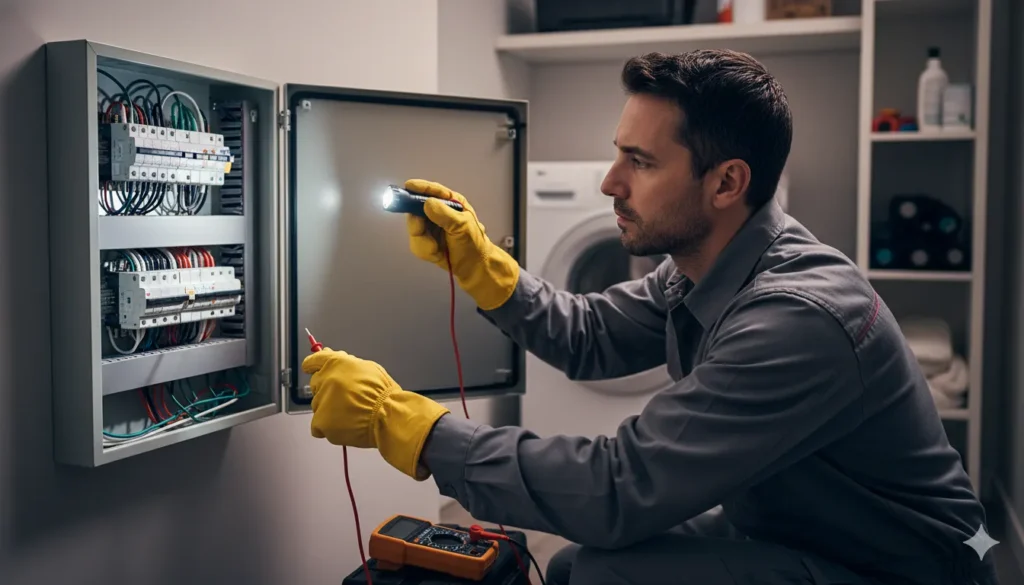
How Electricians Evaluate Panel Capacity
Electricians evaluate electrical systems by calculating total load demand compared to the panel’s capacity. This process is called load calculation.
It is important not to exceed a circuit’s capacity, as doing so can cause circuit breakers to trip, lead to overheating, and increase the risk of fire hazards, especially in older electrical systems.
The electrician reviews
• Service amperage • Circuit distribution • Appliance load ratings • Heating and cooling systems • Future electrical needs
If the panel consistently approaches its maximum capacity, upgrades may be recommended. Homeowners searching for industrial installations & repair electrician services often need these calculations for commercial properties as well, where equipment demand is much higher.
If frequent trips or issues persist, it may indicate a deeper electrical issue that requires professional diagnosis.
It is also recommended to schedule professional electrical inspections every 3 to 5 years to identify loose connections or outdated wiring before they become hazards.
Why Ignoring an Overloaded Panel Is Risky
Electrical overload is more than an inconvenience. It is a safety concern. Ignoring electrical problems and fire hazards can increase the risk of house fires.
Ignoring signs of an overloaded circuit can lead to overheating wires, which pose significant risks to your home and family in the form of electrical fires.
Fire Risk
When wires carry more current than designed, insulation can degrade due to heat. Over time this increases the chance of electrical fires.
Equipment Damage
Sensitive electronics such as computers and appliances can suffer damage when power fluctuates due to overloaded circuits.
Reduced Electrical Efficiency
Overloaded systems operate less efficiently and may cause voltage fluctuations that shorten the life of appliances.
Preventing Circuit Overload
Preventing circuit overload is essential for protecting your home from electrical hazards like fires, shocks, and damaged wiring. One of the most effective ways to avoid overload is to spread your electrical load across multiple circuits, rather than plugging too many devices into the same circuit.
Overusing extension cords and power strips can quickly lead to an overloaded outlet or circuit, especially when high-power appliances like space heaters or air conditioners are involved.
To keep your electrical system safe, consider installing dedicated circuits for major appliances and avoid running multiple high energy appliances at the same time. Monitor your electrical usage and be mindful of how many devices are drawing power from individual circuits.
By taking these simple precautions, you can reduce the risk of electrical fires, tripped circuit breakers, and costly damage to your home’s wiring.
When to Call a Professional Electrician
Electrical systems should never be treated as a trial and error project. If signs of overload appear, professional evaluation is the safest step. If the problem persists, it may indicate a deeper electrical issue that needs expert attention.
Homeowners often search online for industrial electricians near me when they experience recurring breaker problems or plan equipment installations.
A licensed electrician can determine whether the issue requires
• Circuit redistribution • Breaker replacement • Panel upgrade • Service capacity upgrade • Dedicated appliance circuits
These improvements help restore electrical stability and safety.
Residents in communities such as Hayward, Chetek, Clear Lake, and Balsam Lake frequently need upgrades as older homes are modernized with new technology.
If you cannot identify the cause of the overload or if the problem persists, consult a licensed electrician for help.
Benefits of Dedicated Circuits
Dedicated circuits provide a significant boost to your home’s electrical safety and performance. By assigning a separate circuit to high power appliances such as refrigerators, air conditioners, and electric vehicle chargers you reduce overload risks and improve efficiency. In many cases, upgrading with proper wiring or even a circuit breaker replacement in Wisconsin ensures your system can safely handle today’s electrical demands.
These devices receive the steady power they need without overloading your main electrical panel or causing flickering lights and dimming lights throughout your home.
This setup not only helps prevent electrical fires and power surges but also reduces the likelihood of tripped circuit breakers and electrical shocks.
With dedicated circuits, your electrical system can better handle the demands of modern appliances, keeping your home safer and your devices running smoothly. Investing in dedicated circuits is a smart way to future-proof your electrical system and maintain peace of mind.
Monitoring Electrical Usage
Keeping an eye on your electrical usage is a practical way to prevent circuit overload and optimize your home’s electrical system for modern electrical demands.
By tracking how much electricity your household uses especially during peak times you can spot patterns that might indicate overloaded circuits, faulty wiring, or an outdated electrical panel.
Tools like smart meters, energy monitors, and smart plugs make it easy to see real-time data on your electrical usage.
This information helps you make informed decisions, such as when to upgrade your electrical panel, install dedicated circuits, or adjust your habits to reduce waste and lower energy bills.
Regular monitoring also allows you to catch potential electrical hazards early, ensuring your home’s electrical system remains safe, efficient, and ready for the future.
How Panel Upgrades Improve Electrical Safety
When electrical demand increases, upgrading the panel can dramatically improve system performance. Upgrading your breaker box is a key step in improving your home’s electrical system.
Benefits include
- Higher service capacity
- Better circuit distribution
- Improved appliance performance
- Reduced breaker trips
- Future readiness for EV chargers or workshops
Modern electrical panels are designed to handle today’s electrical demands, helping prevent fire hazards and electrical shocks.
Panel upgrades also ensure the system complies with modern electrical codes.
For homes and businesses requiring industrial electrician services, capacity planning becomes even more critical because heavy machinery and specialized equipment require stable electrical supply.
An upgraded electrical panel can increase your home’s value by demonstrating that it is safe and capable of handling future upgrades.
Installing additional circuits can help distribute electrical load more evenly and prevent overloads in your electrical system. Additionally, using surge protectors alongside panel upgrades is important for comprehensive electrical safety, protecting your appliances and electronic devices from power surges.
Real Electrical Demand in Northwestern Wisconsin Homes
Homes throughout Northwestern Wisconsin often combine residential living with agricultural or workshop activities.
A property might include
• Household appliances
• Outdoor lighting
• Detached garage wiring
• Barn electrical systems
• Power tools or compressors
• Heating systems
This combination places significant demand on older electrical panels. An outdated breaker box can easily become an overloaded circuit in homes with high demand.
Professionals who specialize as North Western Wisconsin Electricians understand these unique electrical environments and can recommend systems designed for rural and residential properties alike. Installing additional circuits can help reduce the risk of overloads, especially in rooms with heavy power usage.
When Breaker Panels Should Be Replaced
Panels may need replacement if they show signs of aging or cannot safely support household demand. Outdated panels and outdated wiring are key reasons for replacement, as they may not be sufficient for modern power needs and can increase the risk of overloads or fire hazards.
Typical indicators include
- Frequent breaker trips
- Rust or corrosion inside the panel
- Burn marks near breakers
- Panels older than 30 to 40 years
- Fuse boxes instead of breaker panels
An electrician can inspect the system and determine the safest course of action.
If you experience repeated electrical issues or plan to upgrade equipment, contacting a licensed electrician for panel issues at 715-234-3901 can help determine the next steps.
Serving communities across Northwestern Wisconsin, including Hayward, Chetek, Clear Lake, and Balsam Lake, electricians understand the electrical challenges unique to homes and small businesses in the region.
Meyers Electric operates from Rice Lake and provides electrical system evaluations, upgrades, and troubleshooting services for residential and commercial properties throughout the area.
If your electrical panel is outdated or cannot handle the power demands of your home, consider upgrading it to a modern panel.
Frequently Asked Questions
How can I tell if my electrical panel cannot handle my home?
Frequent breaker trips and lights dimming when appliances start are common indicators. These signs suggest circuits may be carrying more load than they were designed for.
Is it dangerous if a breaker trips often?
Yes. Breakers are safety devices designed to shut off power when circuits become overloaded. An overloaded circuit breaker is a serious safety concern, as it can cause circuit trips, overheating, potential fires, and damage to appliances.
Can I add more breakers to fix an overloaded panel?
Adding breakers does not increase electrical capacity. The electrical panel (breaker box) itself has a maximum service rating that cannot safely be exceeded.
Do older homes usually have overloaded electrical panels?
Many older homes were built before modern appliances became common. Their electrical panels were designed for far lower power usage, and often feature outdated panels and outdated wiring that are common in older homes.
Should I upgrade my panel before installing new equipment?
Yes. Large appliances, EV chargers, and workshop tools can significantly increase electrical demand.
Conclusion
Electrical panels quietly power nearly every device in a home, yet they often receive attention only when something goes wrong. Recognizing the warning signs of overload can help prevent costly damage and serious safety risks.
Frequent breaker trips, flickering lights, unusual panel sounds, and warm outlets are all signals that your electrical system may need attention.
Homes across Northwestern Wisconsin, especially in communities like Hayward, Chetek, Clear Lake, and Balsam Lake, are evolving as technology and equipment demands grow. Ensuring the electrical panel can safely handle that demand protects both property and peace of mind.
When in doubt, a professional electrical inspection is the safest way to determine whether your system is operating within its limits and ready for the future.