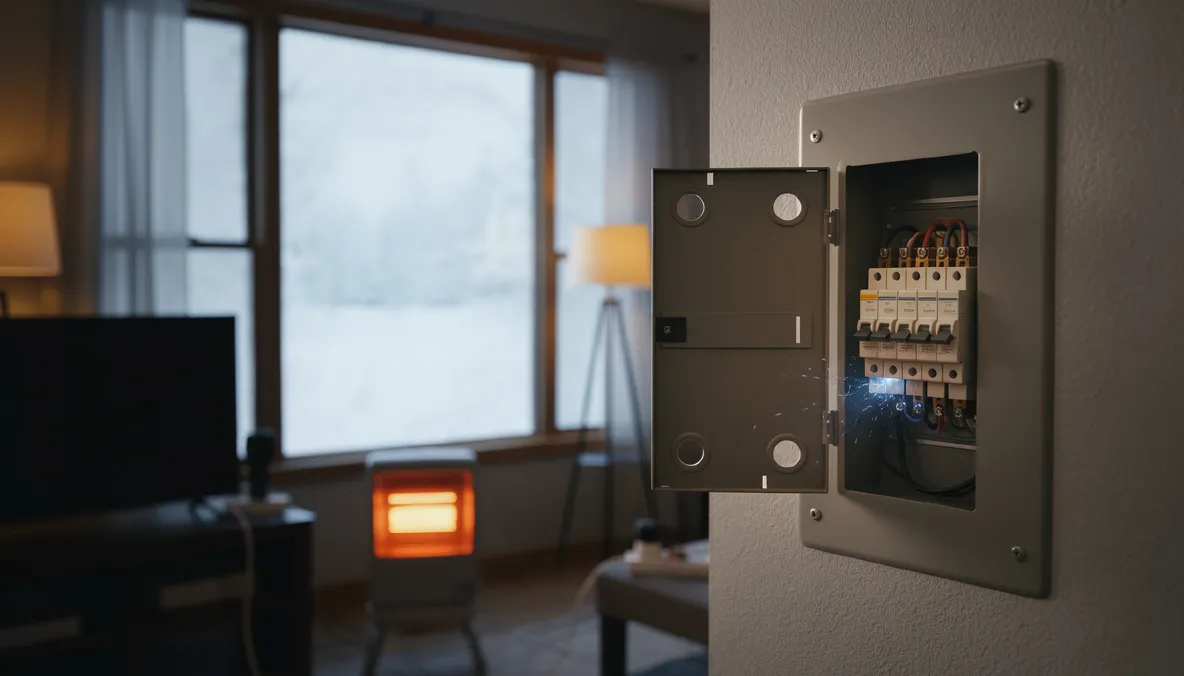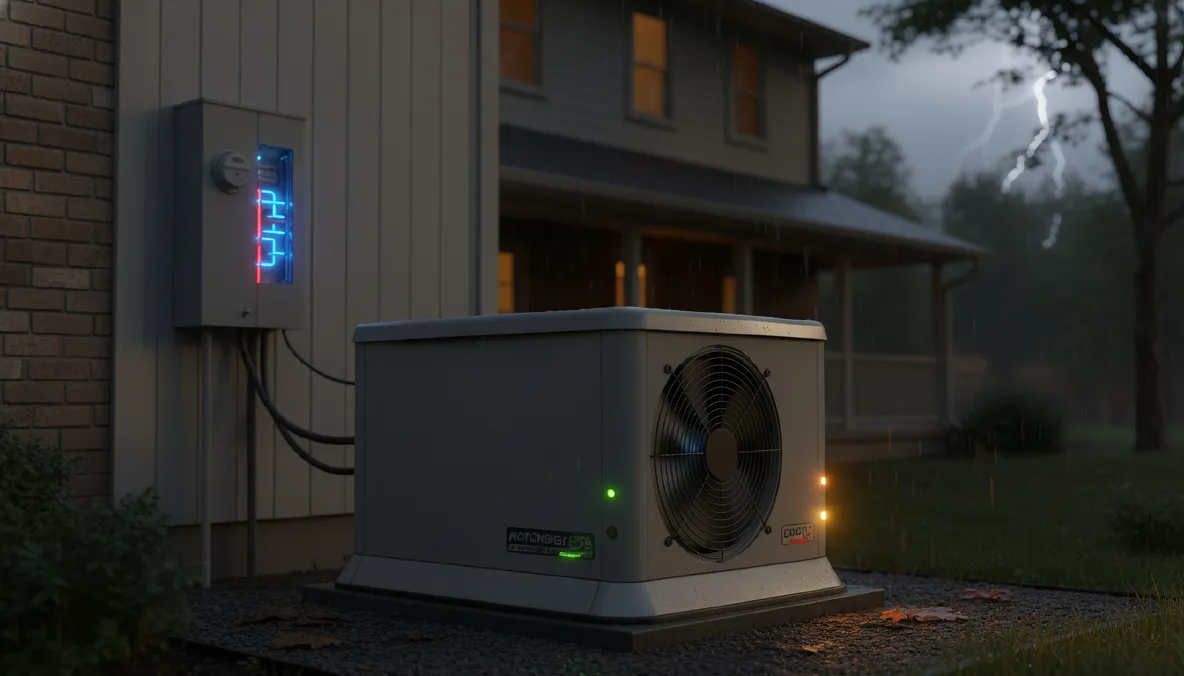

Electric surges don’t just happen during storms. They can come from your own appliances cycling on and off. Whole home surge protection helps prevent expensive damage, extends the life of your electronics, and adds a layer of safety you don’t get from basic power strips.
If you live in areas like Eau Claire, Chippewa Falls, or Menomonie, where seasonal storms and grid fluctuations are common, protecting your home’s electrical system isn’t optional anymore. It’s a smart upgrade.
Let’s break down exactly why this matters and what you gain from it.
Table of Contents
What Is Whole Home Surge Protection?
A whole home surge protector is installed directly at your electrical panel. It monitors incoming voltage and diverts excess electricity safely into the ground before it reaches your wiring, appliances, or devices.
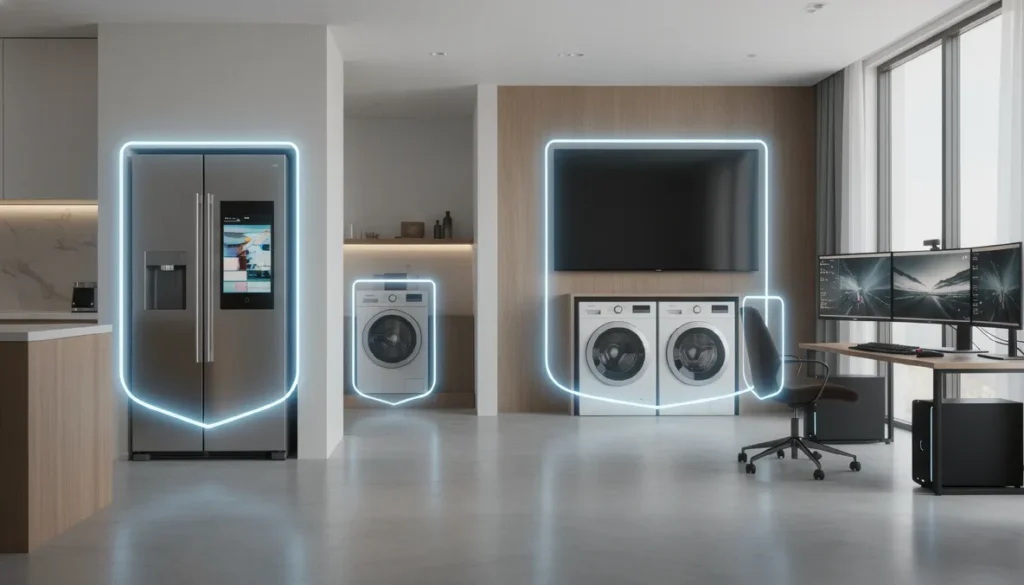
Unlike plug-in surge protectors, this system protects everything in your home. That includes your HVAC system, refrigerator, washer, smart devices, and even hardwired equipment.
1. Protects Expensive Appliances
Modern homes run on sensitive electronics. Your refrigerator, air conditioner, and even your microwave rely on circuit boards that can fail with a single surge.
A whole home system acts like a gatekeeper. It blocks excess voltage before it reaches those components. That means fewer breakdowns and fewer repair bills.
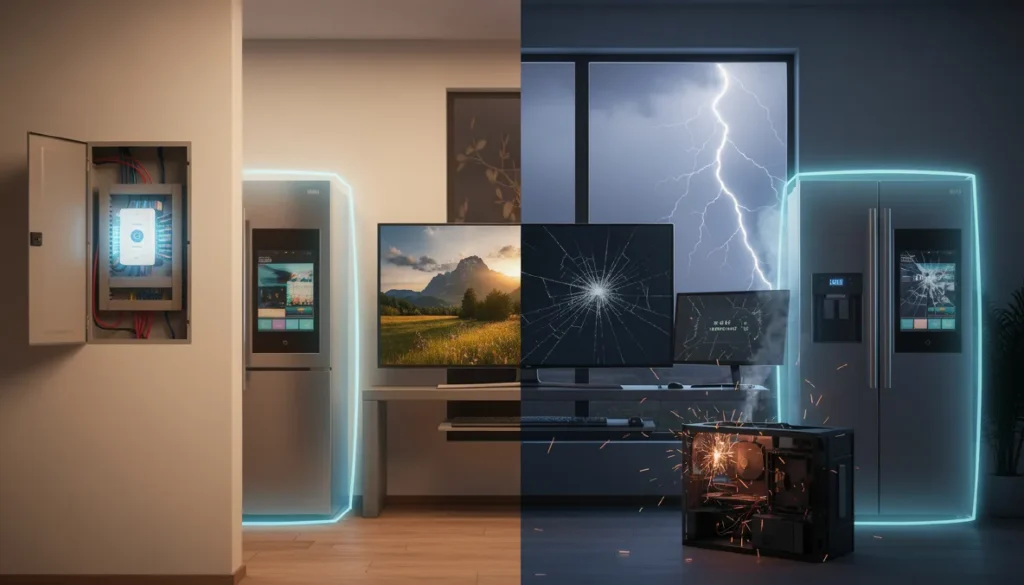
Think about the cost of replacing a furnace control board or a smart TV. One surge can wipe out thousands of dollars in seconds.
2. Reduces Fire Risk
Electrical surges don’t just damage devices. In some cases, they can overheat wiring and create fire hazards.
Whole home surge protection lowers that risk by controlling voltage spikes at the source. This is especially important in older homes across Northwestern Wisconsin where wiring may already be under stress.
If safety is a priority for your household, this upgrade makes a real difference.
3. Extends the Life of Electronics
Even small, repeated surges can wear down your electronics over time. You may not notice it immediately, but the damage adds up something often highlighted in essential home electrical safety tips.
Lights flickering slightly. Devices restarting randomly. Chargers failing sooner than expected.
These are often signs of minor surges.
By stabilizing your electrical system, a whole home protector helps your devices last longer and perform better.
4. Covers the Entire Home
Power strips only protect what’s plugged into them. They also don’t stop surges coming through other paths like cable lines or large appliances.
Whole home systems provide broader coverage.
Everything connected to your electrical panel benefits. That includes built-in appliances and systems you can’t plug into a strip.
If you’ve ever searched for a Whole house surge protector installation near me, you’re likely looking for this kind of complete protection.
5. Saves Money Over Time
There’s an upfront cost, but it often pays for itself.
When you compare the price of installation with the cost of replacing appliances, repairing wiring, or dealing with insurance claims, the math is simple.
Many homeowners in the Rice Lake area and surrounding communities choose this upgrade because it prevents repeated expenses.
If you’re researching Whole home surge protector cost and 715-234-3901, you’re already thinking about the long-term value. And that’s the right approach.
6. Handles Both External and Internal Surges
Most people assume lightning is the main threat. It’s not.
The majority of surges actually come from inside your home. When large appliances like air conditioners or dryers cycle on and off, they create small spikes.
These micro-surges happen daily.
Whole home protection handles both types. External surges from storms and internal ones from your own electrical usage.
That dual protection is what makes it so effective.
7. Adds Value to Your Home
Homebuyers are paying more attention to electrical safety and efficiency.
Having a whole home surge protector installed can be a selling point. It shows that your home is well-maintained and protected against common electrical issues.
For homeowners in growing areas like Northwestern Wisconsin, upgrades like this can make your property stand out.
Pros and Cons of Whole House Surge Protector
Let’s keep this honest and practical.
Pros
- Protects all appliances and devices
- Reduces risk of electrical fires
- Extends equipment lifespan
- Saves money on repairs and replacements
Cons
- Requires professional installation
- Initial cost may feel high
- Does not replace the need for point-of-use surge protectors entirely
The key is understanding that this system works best as part of a layered protection approach.
When Should You Install One?
You should consider installing a whole home surge protector if:
- You’ve experienced frequent power fluctuations
- You own high-end appliances or smart home systems
- Your home is in a storm-prone area
- Your electrical panel is being upgraded
Many homeowners combine this with other upgrades handled by commercial electrician services when modernizing their electrical systems.
Choosing the Right Electrician
Installation is not a DIY job. It requires working directly with your main panel, which carries significant risk.
Protect your home with an electrician ensures proper grounding and compliance with local codes.
For homeowners around Rice Lake and nearby cities, working with a trusted provider like Meyers Electric ensures the job is done safely and correctly the first time.
FAQs
Is a whole home surge protector really necessary?
Yes, especially if your home relies on modern electronics. Even small surges can cause long-term damage, and protection at the panel level reduces that risk significantly.
How long does a whole home surge protector last?
Most units last between 5 to 10 years depending on usage and exposure to surges. Regular inspection helps ensure it continues working effectively.
Can it protect against lightning strikes?
It helps reduce damage from indirect lightning strikes, but no system can guarantee full protection from a direct hit. It still greatly lowers the impact.
Do I still need power strips?
Yes, for sensitive electronics, combining both systems offers the best protection. The whole home unit handles large surges, while strips manage smaller spikes.
How much does installation typically cost?
Costs vary depending on your panel and home size. However, most homeowners find it affordable compared to replacing major appliances.
Conclusion
Whole home surge protection is one of those upgrades you don’t think about until something goes wrong. By then, it’s often too late.
From protecting appliances to improving safety and saving money, the advantages are clear. It’s a practical step that brings peace of mind, especially in areas with unpredictable power conditions.
If you’re serious about protecting your home in Eau Claire, Chippewa Falls, Menomonie, or anywhere in Northwestern Wisconsin, this is a smart place to start.