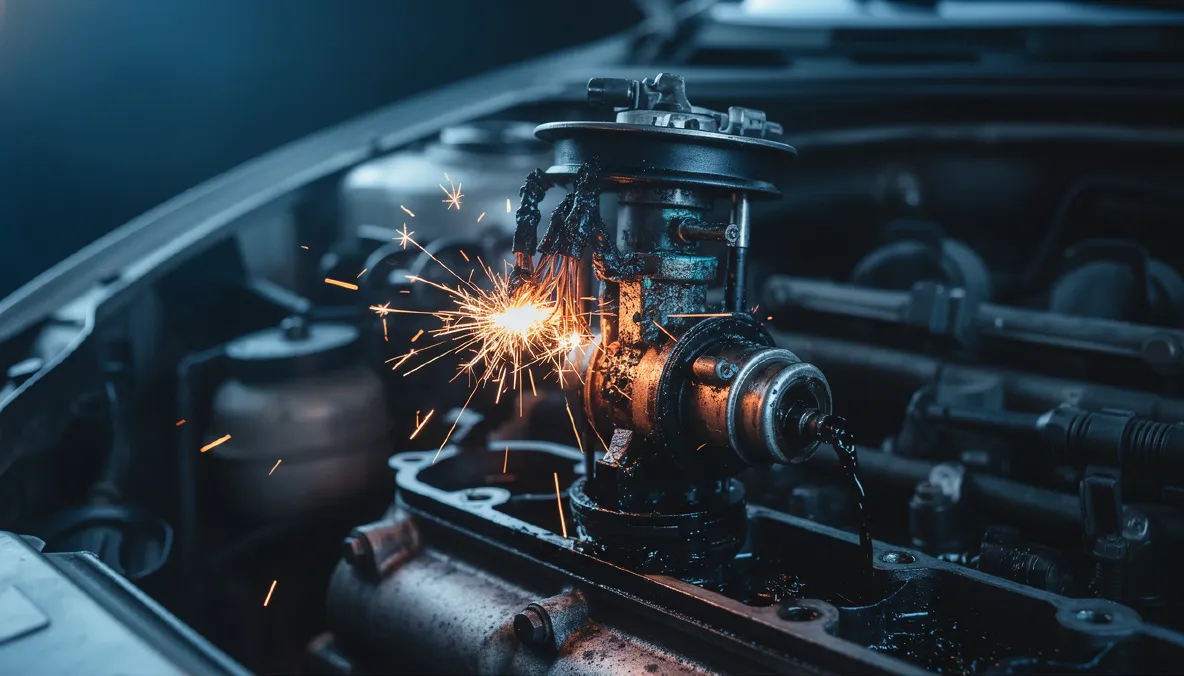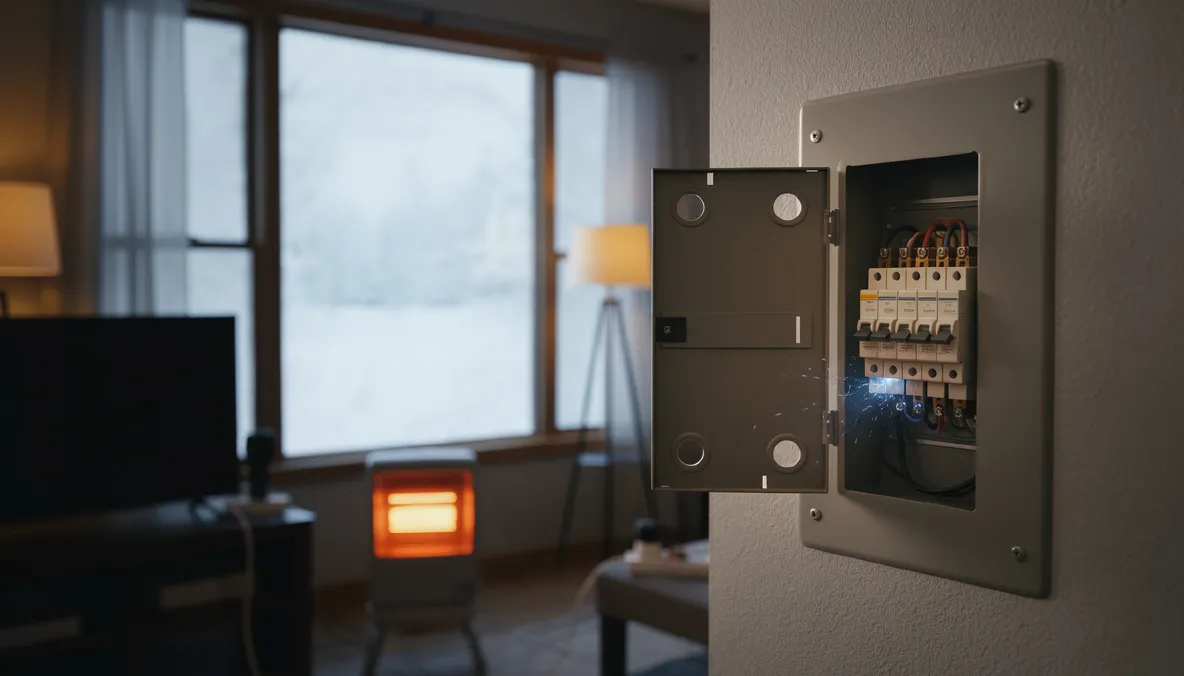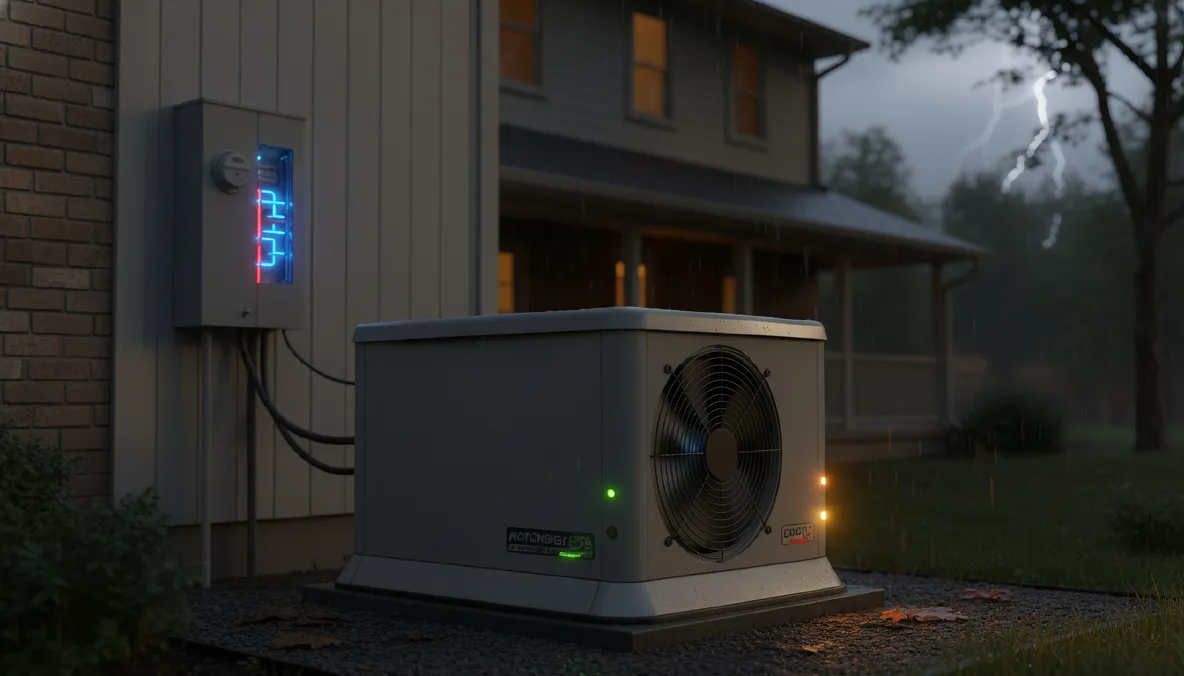

Essential electrical safety in Wisconsin includes avoiding outlet overload, using GFCIs in wet areas, and keeping a 10-foot minimum distance from power lines, especially during storms.
Table of Contents
Electrical Safety Tips
Prevent fires by not running cords under rugs, inspecting for damaged wires, and using correct wattage bulbs. Never touch appliances with wet hands.
Schedule regular Safety & Inspections, perform consistent Code compliance checks, identify potential hazards early, and call a licensed professional when something feels off. Whether you live in Barron, Cumberland, Ladysmith, or Rice Lake, prevention always costs less than repairs.
Electricity powers everything from your heating system in January to your sump pump during spring thaw. Yet many homeowners and even contractors overlook small warning signs until they become expensive or dangerous.
In North Western Wisconsin, where weather shifts quickly and properties range from historic farmhouses to new builds, staying proactive is not optional. It is responsible ownership.
Below is a practical guide built for homeowners, property managers, and tradespeople who want real clarity on staying safe.
Why Electrical Safety Matters in Wisconsin
Wisconsin weather alone makes electrical awareness critical. Ice storms, snow accumulation, moisture intrusion, and fluctuating temperatures all affect wiring, panels, and exterior systems. Frozen ground impacts underground lines. Spring storms stress outdoor lighting and service equipment.
In Rice Lake and nearby communities like Cumberland and Ladysmith, many homes were built decades ago. That means older breaker panels, aluminum wiring in some properties, and outdated grounding systems. Without proper residential electrical service, these systems can become liabilities.
Electrical hazards are rarely dramatic at first. They show up as flickering lights, warm outlets, buzzing sounds from a panel, or tripping breakers. Ignoring them is what creates real danger.
Start with Code Compliance Checks
Electrical codes are not red tape. They exist because someone was injured or a property was lost in the past. Modern Code compliance checks ensure that installations meet the National Electrical Code standards adopted by Wisconsin municipalities.
During inspections, professionals evaluate:
- Breaker panel capacity and labeling
- Grounding and bonding systems
- GFCI and AFCI protection
- Proper wire sizing
- Secure connections and terminations
If you are remodelling in Barron or upgrading a cabin outside Ladysmith, do not assume existing wiring is adequate. A qualified residential electrician company will confirm that everything aligns with current standards before adding load to your system.
Ignoring code issues can void insurance claims. That alone should be motivation enough.
Identify Potential Hazards Before They Escalate
Most electrical emergencies start as small inconveniences, and understanding what counts as an electrical emergency can help you act before a minor issue becomes a serious hazard. The ability to identify potential risks early separates safe properties from risky ones.
Watch for:
- Warm switch plates
- Discolored outlets
- Frequent breaker trips
- Extension cords used as permanent wiring
- Burning smells near panels
- Outdoor fixtures exposed to water without proper sealing
Fixing flickering lights may seem minor, but persistent flickering can signal loose wiring or overloaded circuits. Loose connections generate heat. Heat leads to failure.
In North Western Wisconsin homes with attached garages and workshops, DIY additions are common. That is where many hazards hide. Amateur wiring, double tapped breakers, and undersized circuits often go unnoticed until a Safety & Inspections review catches them.
Safe Panel Management and Load Awareness
Breaker panels are the control center of your home. Yet many homeowners rarely open them until something trips.
Every panel should have:
- Clear labeling
- No rust or corrosion
- Tight breaker seating
- No buzzing sounds
- Adequate amperage for the property size
If your home in Rice Lake was built in the 1970s, it may not support modern appliances, EV chargers, or heated floors without upgrades. Overloading circuits forces breakers to trip repeatedly, which weakens them over time.
A professional residential electrical service can calculate load demand properly. Guessing is not a strategy.
Electrical Safety in Rural Wisconsin
Many properties across Barron County include detached garages, barns, sheds, and exterior lighting. Outdoor systems require specific protection.
Key considerations include:
- Weather rated boxes
- GFCI protection near moisture
- Proper burial depth for underground wiring
- Surge protection for long line runs
- Secure conduit connections
Snow melt and spring flooding are common across North Western Wisconsin. If water enters junction boxes, corrosion begins quietly. Seasonal Safety & Inspections can prevent that.
Never ignore outdoor extension cords buried under snow. They are not designed for permanent use.
Seasonal Electrical Safety Checklist
- Winter
Inspect heating system wiring
Clear snow from outdoor meters
Test smoke and carbon monoxide detectors
- Spring
Check sump pump wiring
Inspect exterior outlets for water damage
Schedule Code compliance checks before renovations
- Summer
Review air conditioning circuit capacity
Inspect pool or hot tub connections
Replace worn outdoor fixtures
- Fall
Prepare backup generators safely
Avoid backfeeding panels
Inspect holiday lighting before installation
Generators deserve special mention. Back feeding through a dryer outlet is dangerous and illegal. A transfer switch installation by a licensed residential electrician company eliminates risk.
Fixing Flickering Lights the Right Way
Not all flickering lights are equal. Sometimes the issue is as simple as a loose bulb. Other times it indicates voltage fluctuation or wiring degradation.
Common causes include:
- Loose connections
- Overloaded circuits
- Failing light fixtures
- Utility supply issues
- Breaker wear
If flickering happens throughout the house, the panel may need evaluation. If it occurs in a single room, the branch circuit should be tested.
Residents in Cumberland and Ladysmith often assume rural power fluctuations are normal. Some variation can occur, but consistent flickering should never be dismissed.
Childproofing and Family Safety
Families in Rice Lake and surrounding towns should take extra steps:
- Install tamper resistant outlets
- Use outlet covers when needed
- Keep cords secured and out of reach
- Avoid overloaded power strips
- Test GFCI outlets monthly
Electrical injuries often happen in seconds. Simple preventive measures significantly reduce risk.
Working with a Licensed Professional
There is a difference between minor maintenance and complex electrical work. Replacing a light fixture may be manageable for experienced homeowners. Panel upgrades, service replacements, and rewiring should not be DIY projects.
Meyers Electric serves homeowners and businesses throughout Rice Lake and nearby communities. As a residential electrician company familiar with local permitting requirements, they understand what inspectors expect during Code compliance checks and place your booking at 715-234-3901.
Ensure safety with a licensed electrician protects your home value and your safety. Insurance carriers often require documented professional installation for major electrical upgrades.
Later in the project lifecycle, routine Safety & Inspections from Meyers Electric ensure that expansions, additions, and upgrades remain secure and compliant.
Commercial and Workshop Safety Considerations
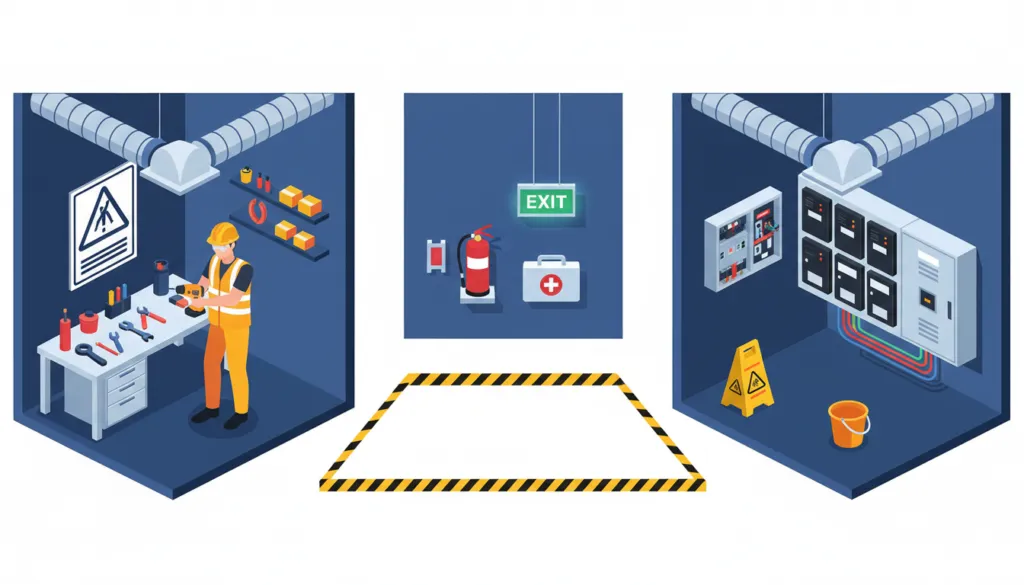
Small businesses across North Western Wisconsin rely heavily on reliable electrical systems. Workshops, service garages, and manufacturing spaces require:
- Dedicated circuits for heavy machinery
- Arc fault protection
- Emergency disconnect access
- Clear panel labeling
- Routine Safety & Inspections
Overloaded outlets in commercial environments create higher fire risk than in residential settings due to sustained load demands.
The Hidden Risk of Aging Wiring
Older homes in Barron and Ladysmith sometimes contain knob and tube wiring or early generation aluminum wiring. While not automatically unsafe, these systems require professional evaluation.
- Warning signs include:
- Two prong outlets
- Lack of grounding
- Fabric insulated wiring
- Frequent breaker trips
- Warm attic wiring
Upgrading wiring increases both safety and property resale value. Buyers increasingly request documented Code compliance checks before closing.
FAQs
How often should I schedule electrical inspections in Wisconsin?
Most homeowners should arrange Safety & Inspections every three to five years. Older homes or properties with recent renovations may require more frequent reviews to ensure code alignment.
Are flickering lights always a serious issue?
Not always, but consistent flickering should never be ignored. It can signal loose wiring or overloaded circuits that require professional evaluation.
What is included in Code compliance checks?
Code compliance checks review panel condition, grounding systems, circuit protection, and overall installation quality. They confirm alignment with local and national electrical standards.
When should I call a residential electrician company instead of fixing it myself?
If the issue involves your breaker panel, service line, or repeated circuit failures, professional help is necessary. Complex electrical systems require licensed expertise to prevent injury.
Does rural Wisconsin weather increase electrical risk?
Yes, moisture, ice, and storm exposure can damage outdoor wiring and service equipment. Seasonal inspections help identify potential hazards before they escalate.
Conclusion
Electrical Safety tips are not about fear. They are about control. In Wisconsin, where homes endure snow, moisture, and aging infrastructure, prevention is practical.
Schedule regular Safety & Inspections, perform Code compliance checks, and Identify potential hazards early. Whether you are in Barron, Cumberland, Ladysmith, or Rice Lake, responsible electrical care protects your home, your investment, and your family.