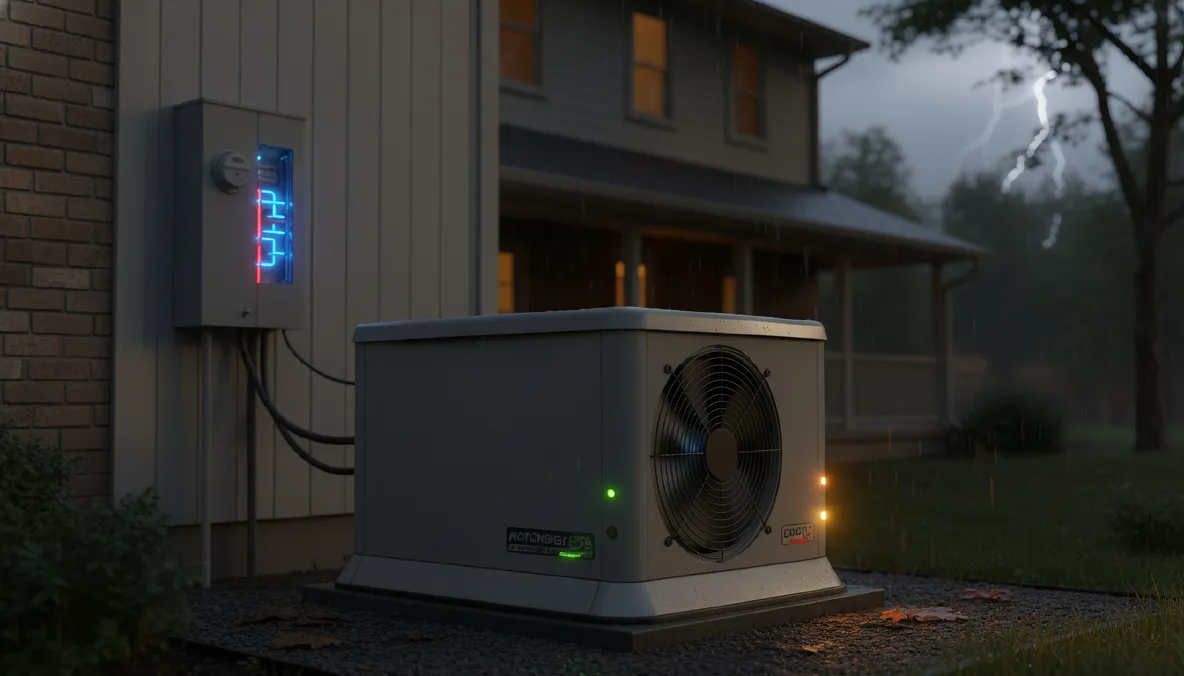

Predictive maintenance is a proactive approach used to monitor the condition of equipment in real-time and predict when maintenance is needed, before the equipment fails.
Table of Contents
Predictive Maintenance and It’s Important
It is a true game-changer for industrial operations, helping businesses keep systems running without downtime while minimizing unexpected failures. By enabling early detection of potential issues, it allows companies to avoid costly breakdowns, reduce maintenance expenses, and significantly optimize their equipment’s lifespan.
This proactive approach not only improves operational efficiency but also ensures smoother workflows and higher overall productivity.
By using advanced technologies like sensors, data analytics, and machine learning, it helps businesses across Hayward, Chetek, Clear Lake, Balsam Lake, and North Western Wisconsin to run efficiently and reduce downtime.
This method is particularly important for industrial electricians near me, as it ensures that essential systems and machines stay operational for longer periods, avoiding emergency repairs that can disrupt operations.
Key Components of Predictive Maintenance
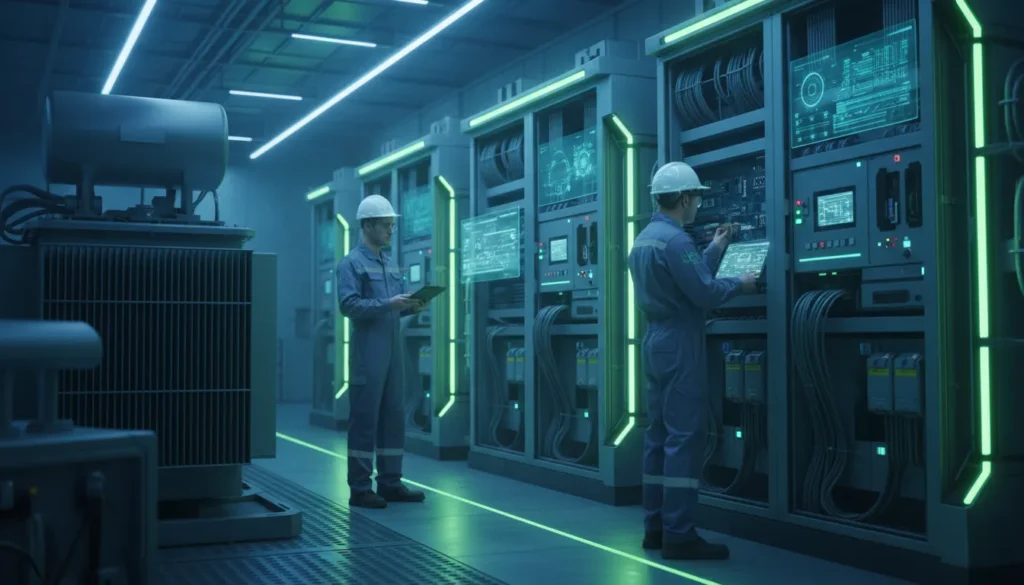
- Condition Monitoring: The core of Condition Monitoring is continuous condition monitoring. Sensors are installed on critical equipment to track parameters like temperature, vibration, and pressure.
This data is collected in real-time, which enables early detection of any abnormalities. These sensors provide a constant feed of data, which can then be analysed to detect issues before they escalate. - Data Analytics and Machine Learning: This relies heavily on data analytics. By analysing the data collected from sensors, machine learning models are trained to identify patterns that indicate when a piece of equipment might fail.
Over time, these algorithms improve their predictions, making maintenance more precise and cost-effective. - Historical Data and Trend Analysis: Historical data is crucial for understanding how equipment behaves over time.
By looking at previous maintenance records and analysing how the machine has performed under different conditions, it’s easier to predict when the machine will require maintenance in the future. - Reliability-Centered Maintenance (RCM): It is often integrated with reliability-centred maintenance (RCM), which focuses on identifying critical equipment and ensuring that it gets the right amount of attention.
By looking at previous maintenance records and analysing how the machine has performed under different conditions, it becomes much easier to predict when the machine will require maintenance in the future.
When combined with a deeper understanding of how different components function especially through insights like motor control systems explained technicians can identify patterns, detect early warning signs, and make more informed decisions.

Why Predictive Maintenance is Important
1. Reduces Unplanned Downtime: Unplanned downtime can be a major disruptor for industrial operations, especially in large-scale manufacturing or electrical installations.
By using this technique, companies can foresee potential failures and fix them before they occur, keeping machines running smoothly. This not only prevents sudden halts in production but also reduces the stress of emergency repairs for industrial electricians.
2. Optimizes Resource Allocation: It actually enables businesses to allocate resources efficiently.
With real-time data insights, companies can schedule repairs only when they are necessary, rather than following a fixed maintenance schedule. This means fewer unnecessary checkups and more focused efforts on critical equipment.
3. Cost Savings: Preventative maintenance often involves replacing parts on a fixed schedule, regardless of their condition. With using this, you only replace components when their failure is imminent, leading to significant savings in both labour and materials.
This is particularly valuable for businesses in Hayward, Chetek, Clear Lake, and other areas where industrial installations may involve costly machinery.
4. Improved Equipment Lifespan: When maintenance is done at the right time, it helps to extend the life of the equipment.
By catching issues early, parts and systems are less likely to degrade beyond repair. This results in longer equipment lifespans, helping companies maximize their investment.
Predictive Maintenance in Wisconsin
Wisconsin, with its heavy manufacturing, food processing, and paper & forest products industries, is a prime location for implementing this mechanism.
- Industrial Applications: Wisconsin manufacturers use predictive maintenance for critical assets such as CNC machines, robotic welders, and conveyor systems, ensuring that production lines remain active, reducing downtime that can cost thousands per hour.
- Industry 4.0 Adoption: The state is seeing a shift toward “smart factories” where IoT devices and AI are integrated into legacy equipment to enhance operational efficiency.
- Training and Education: Organizations in Wisconsin, such as the University of Wisconsin-Madison (via InterPro), offer courses on precision and predictive maintenance technologies, supporting the local workforce in transitioning from reactive to proactive maintenance strategies.
By utilizing predictive maintenance, businesses in Wisconsin can maintain high productivity, reduce waste, and stay competitive.
Benefits of Predictive Maintenance
1. Reduced Maintenance Costs: Predictive maintenance allows businesses to switch from a time-based maintenance schedule to a more targeted, data-driven approach.
As a result, companies spend less on unnecessary maintenance, focusing only on issues that need attention. Industrial electricians can also perform fewer repairs as a result of better maintenance strategies, leading to long-term cost reductions.
2. Increased Productivity: By minimizing downtime and reducing the frequency of repairs, predictive maintenance contributes to higher productivity. Workers can rely on equipment that is consistently operational, leading to smoother workflows.
For electrical companies in North Western Wisconsin, such as those offering industrial electrician services, increased productivity means more work completed on time and fewer interruptions.
3. Enhanced Safety: Maintaining equipment in top condition can also enhance safety. Faulty machinery can cause accidents, leading to worker injuries and property damage.
With predictive maintenance, safety risks are minimized as equipment is monitored closely for any signs of potential failure.
4. Better Decision Making: Predictive maintenance also provides businesses with valuable insights into their operations.
By understanding trends in equipment performance and wear, managers can make better-informed decisions about when to replace machinery, invest in new technology, or upgrade their operations by electrical maintenance services.
5. Environmental Benefits: Predictive maintenance contributes to sustainability efforts by reducing waste. Properly maintained machines run more efficiently, use less energy, and produce fewer emissions.
This is crucial for businesses aiming to reduce their environmental footprint, especially in industries like manufacturing.
FAQs
What is the difference between preventive maintenance and predictive maintenance?
Preventive maintenance involves fixing or replacing parts based on a fixed schedule, while predictive maintenance uses real-time data and analytics to predict when maintenance is needed, focusing only on equipment that shows signs of wear.
How does predictive maintenance help reduce costs?
By using sensors and data analytics to predict when equipment will fail, businesses can address issues before they lead to costly repairs, reducing downtime and avoiding unnecessary replacements.
Can predictive maintenance be applied to all types of machinery?
Yes, predictive maintenance can be applied to nearly all types of machinery, particularly in industries like manufacturing, electrical installations, and industrial services, helping businesses stay ahead of potential failures.
How can industrial electricians benefit from predictive maintenance?
Industrial electricians benefit from predictive maintenance by reducing emergency repairs, performing more targeted maintenance, and enhancing overall equipment reliability, leading to increased work efficiency.
Conclusion
Incorporating predictive maintenance into industrial operations is more than just a smart move; it’s a crucial strategy for businesses aiming to stay competitive.
By detecting potential failures before they occur, reducing downtime, and optimizing resource allocation, predictive maintenance has become a necessity for businesses in Hayward, Chetek, Clear Lake, and surrounding regions.
For industrial electricians, it’s an opportunity to provide proactive solutions that lead to long-term cost savings and higher operational efficiency.
By implementing predictive maintenance, businesses can improve equipment lifespan, reduce unnecessary repair costs, and even boost safety, which ultimately results in better service for clients and higher overall profits.