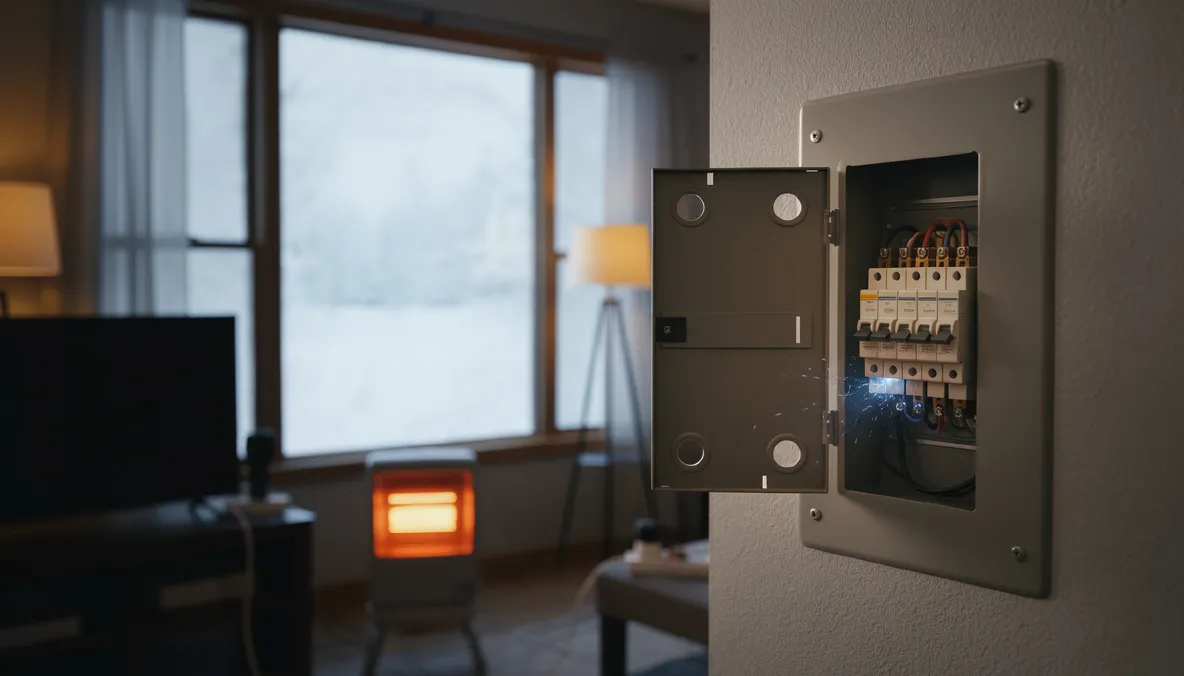

Indoor lighting does not have to drain your energy bill. The most energy efficient indoor lighting options today include LED bulbs, smart lighting controls, and motion sensors that reduce wasted electricity while improving comfort and visibility.
If you live around Balsam Lake, Siren, Webster, or Rice Lake in Northwestern Wisconsin, upgrading your lighting is one of the simplest ways to lower monthly costs without changing your lifestyle.
Table of Contents
Lighting Choices to Save You Money
Lighting accounts for a noticeable portion of your electricity usage. The key is choosing options that give you the same brightness with less energy.
LED bulbs are currently the best option for most homes. They use up to 80 percent less energy than traditional incandescent bulbs and last significantly longer. That means fewer replacements, reduced maintenance, and noticeably lower long-term costs. T
hey also produce less heat, which can help improve overall energy efficiency inside your home, especially during warmer months.
Another advantage of LED lighting is its compatibility with modern lighting controls. When paired with dimmers, homeowners can further enhance efficiency and ambiance while enjoying the benefits of dimmer switches, such as adjustable brightness, extended bulb lifespan, and additional energy savings.
Compact fluorescent lamps still exist, but they are slowly being phased out. While they are more efficient than older incandescent bulbs, they do not match the performance, durability, or versatility of LEDs, making LEDs the clear long-term choice for most households.
Lighting Controls
Lighting efficiency is not just about bulbs. Control systems play a major role in reducing waste.
Smart switches and automation systems allow you to turn lights off remotely or schedule them based on your daily routine, making them a practical part of modern lighting installation tips.
This is especially useful in larger homes where lights are often left on by accident, helping you save energy and reduce electricity bills without constant manual effort. Many smart systems can also be integrated with mobile apps or voice assistants, giving you full control even when you’re away from home.
Daylight sensors adjust indoor lighting based on natural light levels. On sunny days, your lights dim or turn off without you thinking about it.
If you have ever searched for an electrician near me, you have likely seen how many homeowners are now upgrading to smart lighting systems across Northwestern Wisconsin.
Do Motion Sensor Light Switches Save Energy?
Yes, they do. Motion sensor switches automatically turn lights on when someone enters a room and turn them off when no movement is detected.
This is especially useful in areas like:
- Bathrooms
- Garages
- Basements
- Laundry rooms
In homes across Balsam Lake and Webster, motion sensors are becoming more common because they solve a simple problem. People forget to turn lights off.
Over time, this small upgrade can reduce unnecessary energy use without any effort from you.
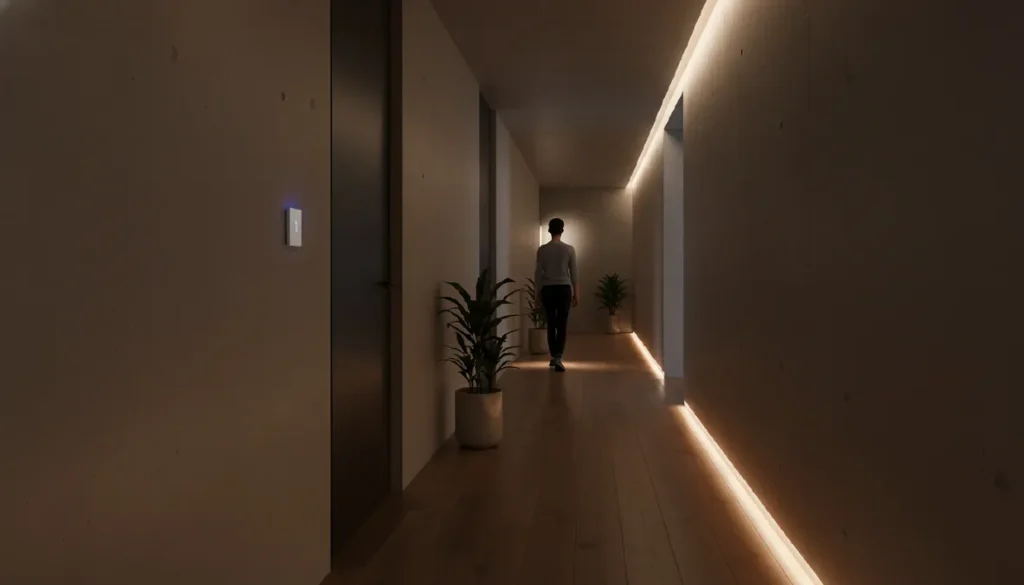
Top 10 Energy Efficient Lighting Solutions for Your Home
Here are ten practical solutions you can actually use:
- LED bulbs for all primary lighting
- Smart bulbs with app control
- Motion sensor switches for low traffic rooms
- Dimmer switches for adjustable brightness
- Under cabinet LED strips in kitchens
- Recessed LED lighting for living spaces
- Solar powered indoor backup lighting
- Smart plugs for lamps
- Daylight responsive lighting systems
- Energy Star rated fixtures
Each of these options helps reduce energy waste while improving how your home feels.
Best Indoor Motion Sensing Lights
Not all motion sensing lights are the same. Some are built into fixtures, while others are standalone bulbs.
The best ones offer:
- Adjustable sensitivity
- Timer settings
- Wide detection range
- Energy efficient LED technology
In colder regions like Siren and Rice Lake, indoor motion lighting is especially helpful during winter months when daylight hours are shorter.
Dimmers, Timers and Motion Sensors
Combining these three tools gives you maximum control.
Dimmers allow you to reduce brightness when full lighting is not needed. This lowers energy use and creates a more comfortable atmosphere.
- Timers ensure lights are never left on longer than necessary.
- Motion sensors remove the need to manually control lighting in certain areas.
- Together, these create a system that works for you instead of relying on habits.
Why Energy Efficient Lighting Matters in Northwestern Wisconsin
Homes in Northwestern Wisconsin experience long winters and shorter daylight hours. That means lighting is used more often compared to other regions.
Efficient lighting helps you:
- Lower electricity bills
- Reduce maintenance costs
- Improve home comfort
- Increase property value
Whether you are in Balsam Lake or Webster, these upgrades make a noticeable difference over time.
A Quick Note on Electrical Systems and Generators
Lighting efficiency is part of a bigger picture. Your overall electrical system also plays a role in energy use and stability.
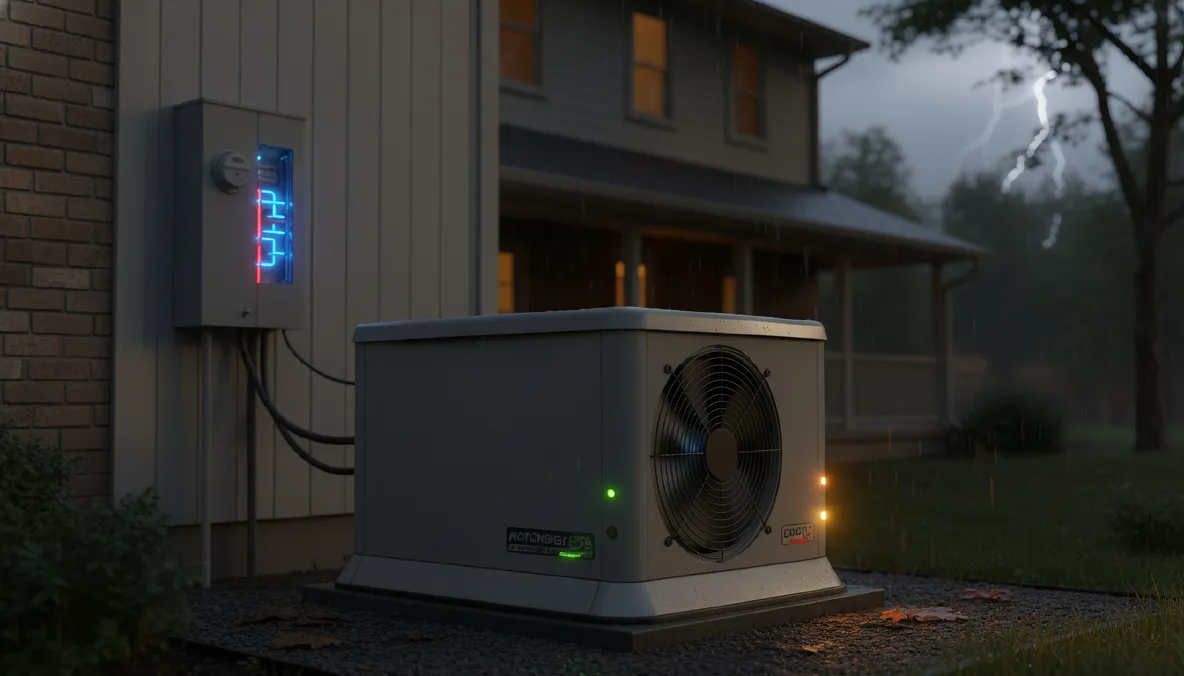
Some homeowners experience issues like How to fix a surging generator, especially during outages. Others ask Why is my generator revving up and down when using backup power.
Common concerns include:
- Generator surging with no load
- Brand new generator surging
- Generator surging symptoms
- Generator surging with new carb
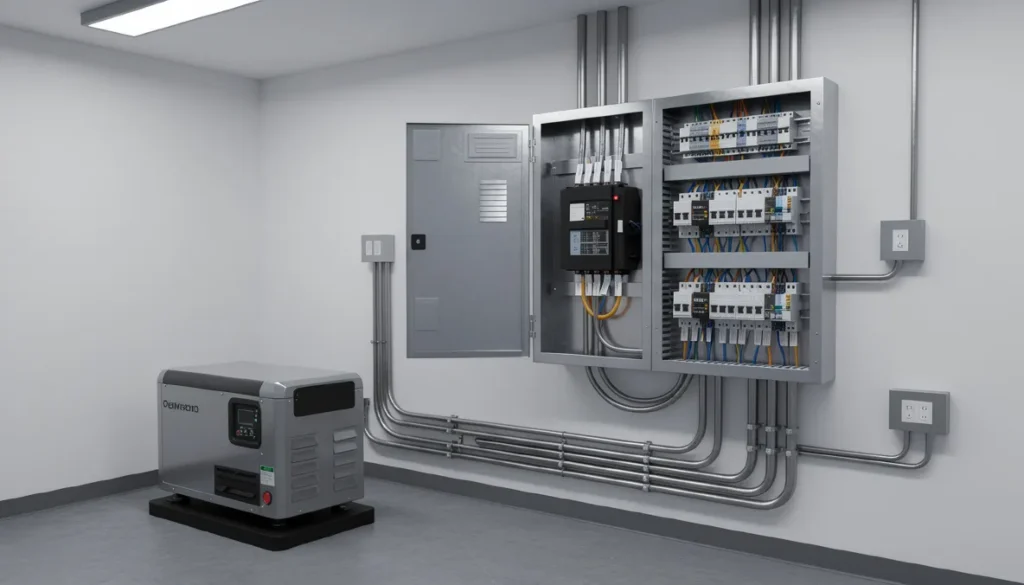
While these may seem unrelated to lighting, they highlight the importance of a well balanced electrical system. If your generator or wiring is not functioning properly, it can affect how efficiently your home operates.
This is where professional help matters. A reliable local provider like Meyers Electric can inspect your system and ensure everything runs smoothly, from lighting upgrades to generator troubleshooting.
Choosing the Right Help
If you are planning to upgrade your lighting, it is worth working with experienced electricians who understand local homes and weather conditions.
Many homeowners across Rice Lake and surrounding communities rely on trusted professionals who can recommend the right solutions without overcomplicating the process.
If you need guidance, you can always call 715-234-3901 to discuss your options and get practical advice tailored to your home.
FAQs
What is the most energy efficient indoor lighting option today?
LED lighting is currently the most efficient choice for homes. It uses significantly less electricity and lasts much longer than older bulb types.
Are smart lighting systems worth the investment?
Yes, they help reduce energy waste by giving you better control over when and how lights are used. Over time, they often pay for themselves.
Do motion sensors work well in cold climates?
Yes, indoor motion sensors work reliably regardless of outdoor temperatures. They are especially useful during long winters when lights are used more frequently.
Can lighting upgrades really lower my electricity bill?
Even small changes like switching to LED bulbs or adding timers can reduce energy use. Over time, the savings become noticeable.
Conclusion
Energy efficient lighting is not complicated. It comes down to choosing better bulbs, adding smart controls, and reducing unnecessary usage.
For homeowners in Balsam Lake, Siren, Webster, and Rice Lake, these upgrades are practical, affordable, and effective. You do not need a full renovation to see results. Small changes can lead to meaningful savings.
If you combine efficient lighting with a well maintained electrical system, your home will run smoother, cost less to operate, and feel more comfortable year round.