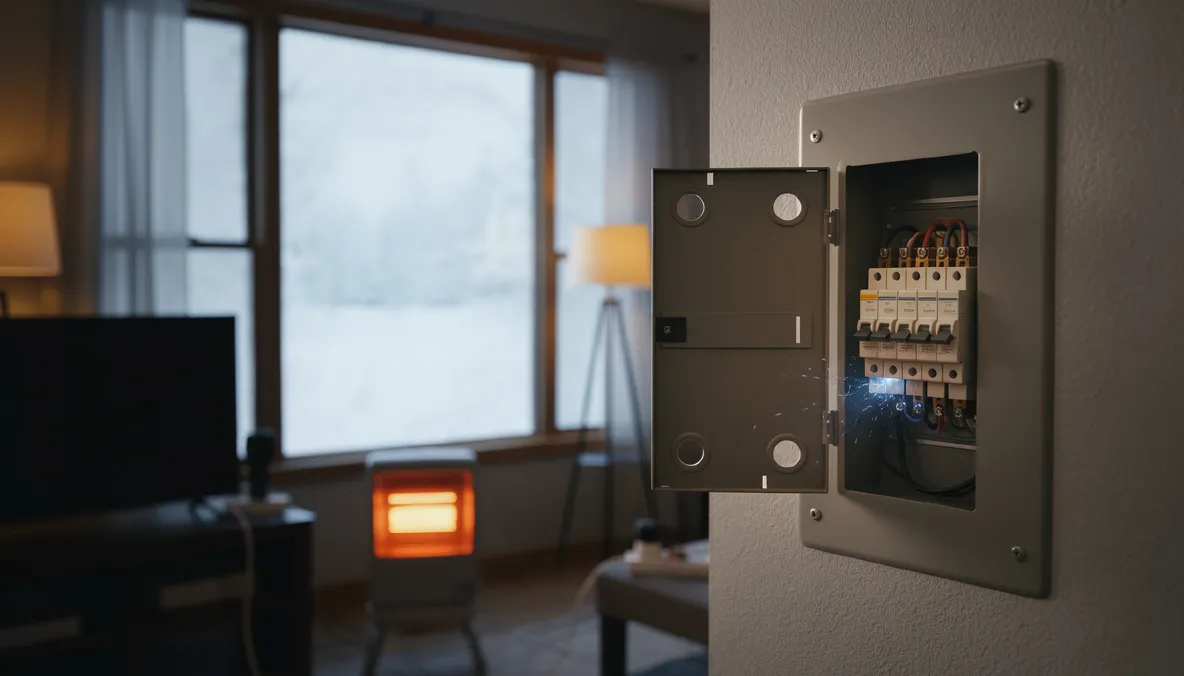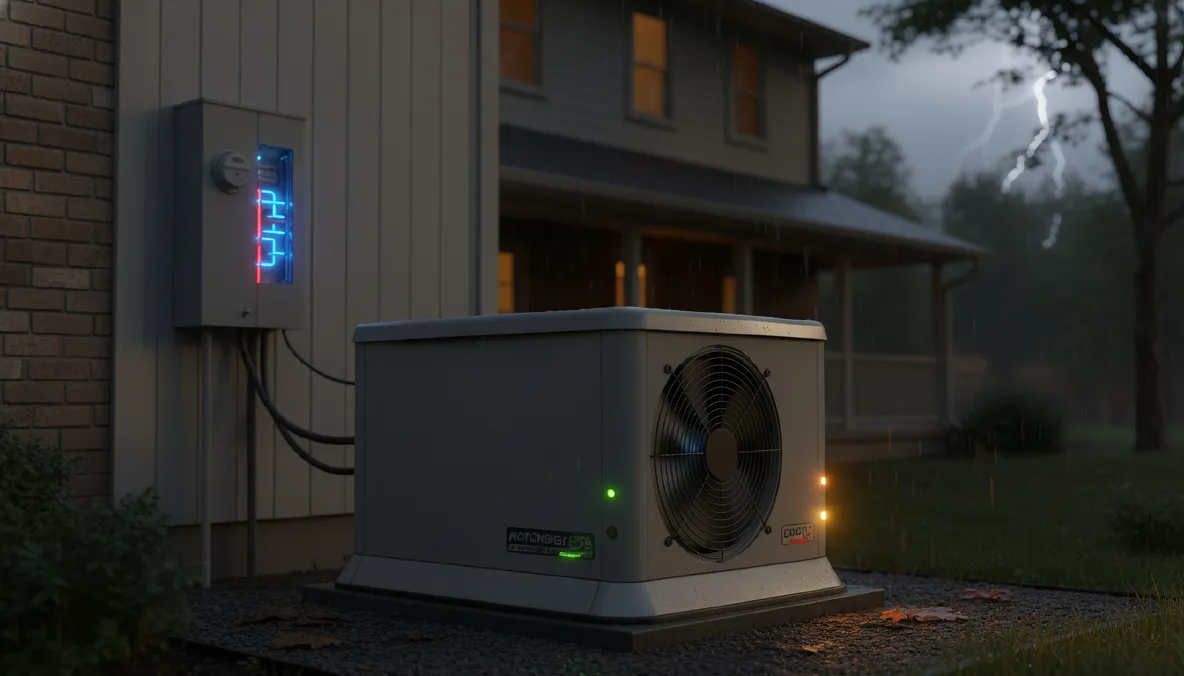

Prevent downtime from power failures involves implementing a multi-layered strategy: installing Uninterruptible Power Supplies (UPS) for immediate backup, using surge protectors for equipment safety, and deploying generators for extended outages.
Table of Contents
Prevent Downtime from Power Failures
Regular maintenance of commercial electrical systems, proper load management, and securing critical, sensitive electronics are key to avoiding costly, sudden interruptions.
Key Strategies for Prevent Downtime:
Install Uninterruptible Power Supplies (UPS): Use UPS units to provide immediate, temporary power to critical equipment like servers, computers, routers, and medical devices. These systems ensure that even during sudden outages, your operations remain protected long enough for a safe shutdown or continued short-term use.
When integrated with backup generator solutions, a UPS acts as the first line of defence bridging the gap between power loss and generator start-up so your critical systems experience no interruption and maintain consistent performance.
Deploy Backup Generators:
Use portable or standby generators for extended power outages to keep essential systems running. Ensure they are used only outdoors to prevent carbon monoxide poisoning.
Utilize Surge Protectors:
Install surge protection devices (SPDs) to safeguard sensitive electronic equipment from power surges that often accompany power failures.
Perform Regular Maintenance:
Schedule routine maintenance, including thermal imaging, breaker services, and cable inspections, to identify and fix potential electrical faults before they cause failures.
Implement Environmental Controls:
Use cooling systems and proper, well-ventilated, and clean enclosures to protect hardware from overheating and dust, which can lead to equipment failure.
Data Protection and Planning:
Implement robust data backup solutions and develop a business continuity plan with defined recovery time objectives (RTO) to minimize impact when outages occur.
Smart Grid Technology:
For businesses, investing in microgrids or using smart grid technology can help detect outages faster and reroute power.
How Power Outages Hurt Your Business
Every minute without electricity can translate into lost revenue, missed deadlines and damage to equipment. In manufacturing a brief loss of power can halt an entire line, while in retail it can shut down point‑of‑sale systems and spoil perishable stock.
The indirect costs re‑scheduling staff, replaying work, repairing surge‑damaged devices often dwarf the price of a proper prevention plan. Understanding these costs makes the investment in protection clear.
Identify Weak Points in Your Electrical System
A thorough audit is the first line of defence. A commercial electrician near me will check load balance, verify grounding, and test protective devices. Look for signs of aging wiring, overloaded circuits, and loose connections.
Even a small loose terminal can cause arcing that trips a breaker and shuts down critical equipment. Document each finding and assign a priority level so that the most dangerous issues are addressed first.
Install Backup Power Solutions
When the utility fails, a well-designed backup system keeps essential loads alive. This is exactly how server farms stay online even during unexpected outages they rely on layered backup strategies that ensure continuity without interruption.
Choose between a standby generator and an uninterruptible power supply (UPS) based on the criticality of the equipment. For highly sensitive systems like data centers, both are typically used together to create a seamless transition between power sources.
Generators provide power for hours or even days, making them ideal for extended outages, while a UPS delivers immediate, short-term power to bridge the gap until the generator spins up and stabilizes. This combination prevents downtime, protects sensitive electronics, and maintains operational stability.
Add Surge Protection at Every Level
Surge events are a silent threat that often follows an outage. Install whole‑building surge protectors at the service entrance, then add points‑of‑use devices for sensitive equipment like servers and POS terminals.
A layered approach ensures that a spike from the grid is stopped before it reaches critical devices. Regularly test protectors and replace them according to the manufacturer’s schedule.
Schedule Regular Maintenance
Preventive maintenance is a habit, not a one‑time project. Create a calendar that includes generator oil changes, battery inspections, UPS load testing and circuit breaker checks.
A commercial electrician should perform a detailed inspection at least twice a year, and more often in harsh weather seasons. Keep records of every service; trends in test results often reveal emerging problems before they cause a shutdown.
Leverage Remote Monitoring and Alerts
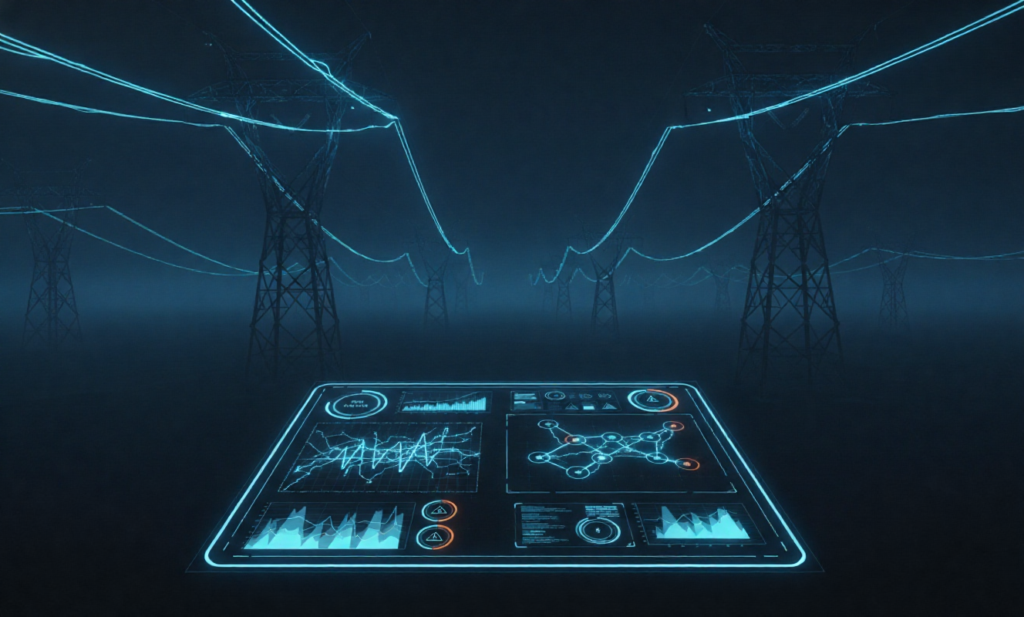
Modern monitoring systems provide real‑time data on voltage, frequency, temperature and battery health. Connect the system to a cloud platform so you receive instant alerts on your phone or computer.
When a parameter trips, you can dispatch a technician before a full outage occurs. Remote monitoring also supplies valuable performance data that helps you fine‑tune your energy usage and plan future upgrades.
Choose the Right Professional
Working with an experienced commercial electrician matters. Look for certifications, local references and a track record of handling similar facilities.
A qualified professional understands the nuances of commercial code, can design a system that scales with your growth, and knows how to integrate backup power without creating unsafe conditions to securely Prevent Downtime from Power Failures. When you partner with the right expert, the whole prevention plan becomes more reliable.
Local Considerations for Siren, Webster, Cameron, Minon and Beyond
Businesses in Siren, Webster, Cameron, Minon and the wider area served by North Western Wisconsin Electricians face similar seasonal challenges: heavy snow, ice storms and strong winds.
Insulating outdoor conduit, burying critical feeders and selecting generators rated for cold starts are key tactics in this region. By tailoring the prevention plan to local weather patterns, you reduce the chance of a surprise outage during the busiest months.
Explore Renewable Backup Options
Solar panels combined with battery storage can supply power during short outages and significantly reduce fuel consumption for generators. By integrating predictive maintenance strategies, you can also monitor system performance more effectively, ensuring both your solar setup and backup generator operate at optimal efficiency and avoid unexpected failures.
While not a complete substitute for a generator during long-lasting blackouts, solar-battery systems can reliably keep essential services like lighting, communications, and low-power equipment running.
When paired with predictive maintenance strategies, facility managers can anticipate potential issues, schedule timely servicing, and extend the lifespan of both solar components and backup systems.
Develop an Emergency Response Plan
Even the best prevention strategy cannot guarantee zero interruptions. Draft an emergency plan that outlines who calls the generator service, how to shut down non‑essential loads and how to communicate with staff and customers.
Conduct drills quarterly so that everyone knows their role when the lights flicker and Prevent Downtime from Power Failures. A clear plan reduces panic and speeds up recovery.
Train Staff on Power Safety
Your maintenance crew should understand how to safely start and stop generators, perform UPS battery swaps and recognize signs of electrical distress. Provide simple checklists and regular training sessions.
Empowered employees become an extra line of defense, spotting problems early and preventing them from escalating.
Frequently Asked Questions
What size generator do I need for a manufacturing plant?
The size depends on the total wattage of your critical equipment. Conduct a load analysis with a commercial electrician to calculate the exact kilowatt requirement and then add a safety margin of 20 percent.
How often should I test my UPS system?
A UPS should be tested under load at least once every six months. Monthly visual inspections of battery terminals and environmental conditions help catch issues early.
Can surge protectors prevent damage from a lightning strike?
Whole‑building surge protectors significantly reduce the voltage that reaches internal devices, but a direct lightning strike may still cause damage. Pair them with proper grounding and, when possible, install a lightning arrestor on the roof.
Is a generator warranty worth the extra cost?
A warranty covers parts and labor for a set period, providing peace of mind and reducing unexpected repair costs. For commercial installations, a comprehensive warranty is a worthwhile investment.
Conclusion
Prevent Downtime from power failures is avoidable when you combine vigilant maintenance, robust backup power and intelligent monitoring. Let a qualified commercial electrician evaluate your facility, design a custom solution and keep the system in top condition.
Residents of Siren, Webster, Cameron, Minon and the surrounding region can safeguard their operations by following these steps and partnering with trusted local experts. For a personalized assessment, call Meyer electrics at 715‑234‑3901 and start protecting your business today.