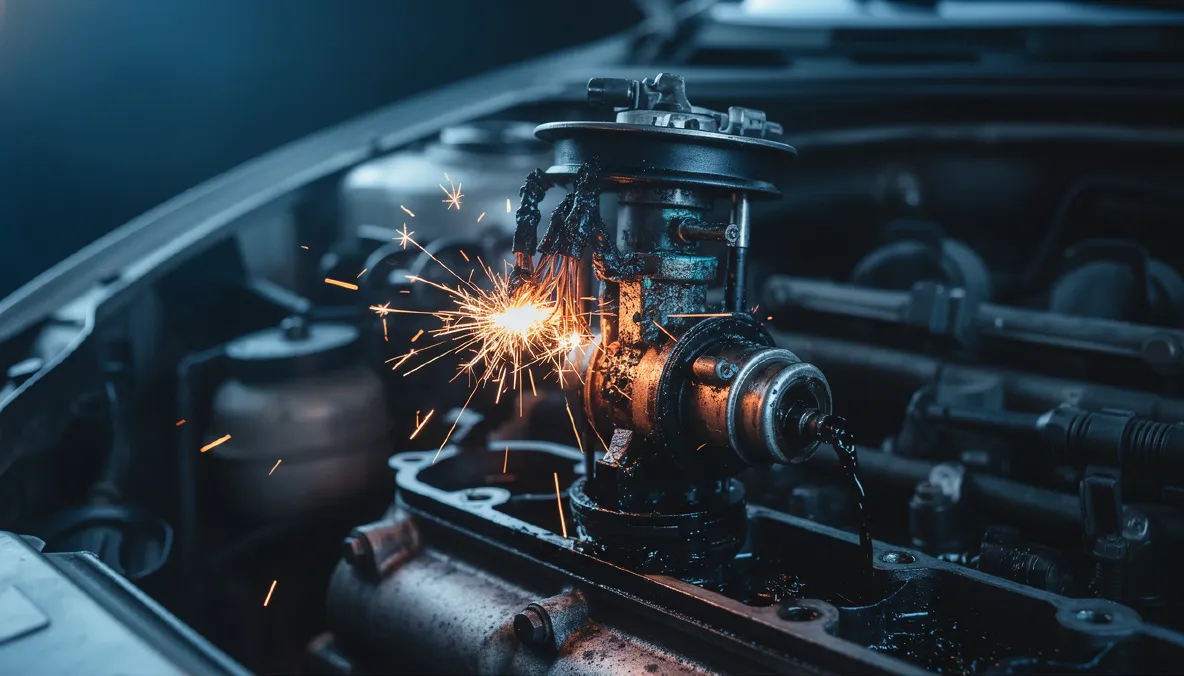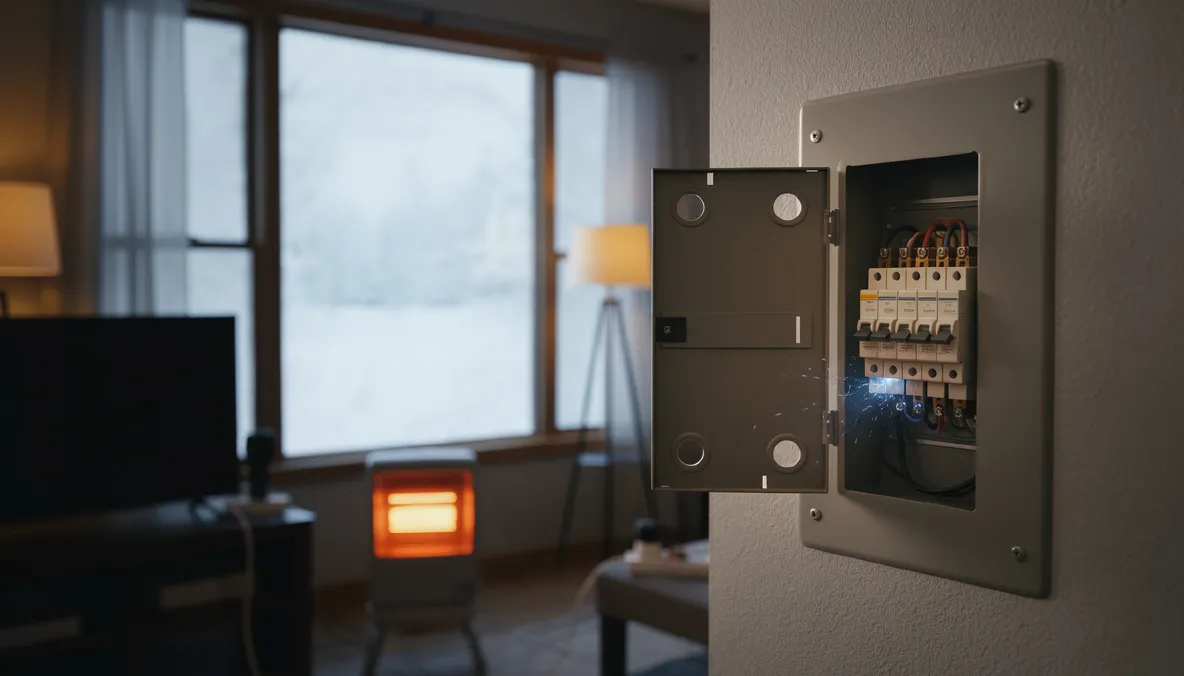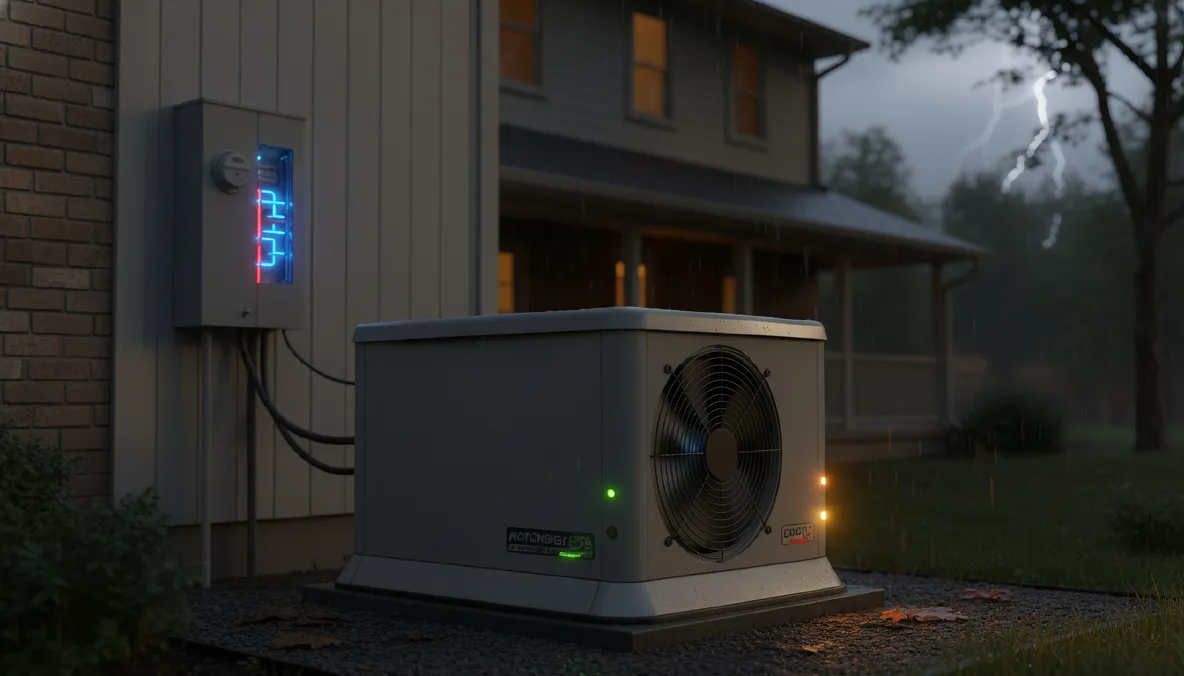

When heating or cooling stops working, the problem is often electrical. Many system failures trace back to HVAC wiring issues, which can interrupt power flow, damage components, or even create safety hazards.
Table of Contents
Common HVAC Wiring Issues, Risks and Their Fixes
Heating and cooling equipment depends on electrical connections linking thermostats, relays, compressors, fans, and control boards.
When those connections loosen, degrade, or are installed incorrectly, the entire system may behave unpredictably. From minor thermostat malfunctions to serious electrical faults, wiring problems can affect efficiency, performance, and safety.
In communities such as Siren, Webster, Cameron, and Minong, where seasonal temperature swings are significant, reliable climate control systems are essential.
Electrical professionals serving Northwestern Wisconsin electricians regularly encounter wiring problems that stem from age, environmental conditions, or improper installation.
What HVAC Means and How the System Works
Before exploring wiring faults, it helps to understand HVAC meaning. HVAC stands for heating, ventilation, and air conditioning. The system regulates indoor temperature, airflow, and humidity to maintain comfortable living and working conditions.
A modern heating and cooling system combines mechanical components and electrical controls. Thermostats send signals through wiring circuits to activate compressors, blower motors, and heating elements.
Electrical connections coordinate the entire process, ensuring that the system responds accurately to temperature changes.Because electricity drives these operations, wiring reliability directly affects performance.
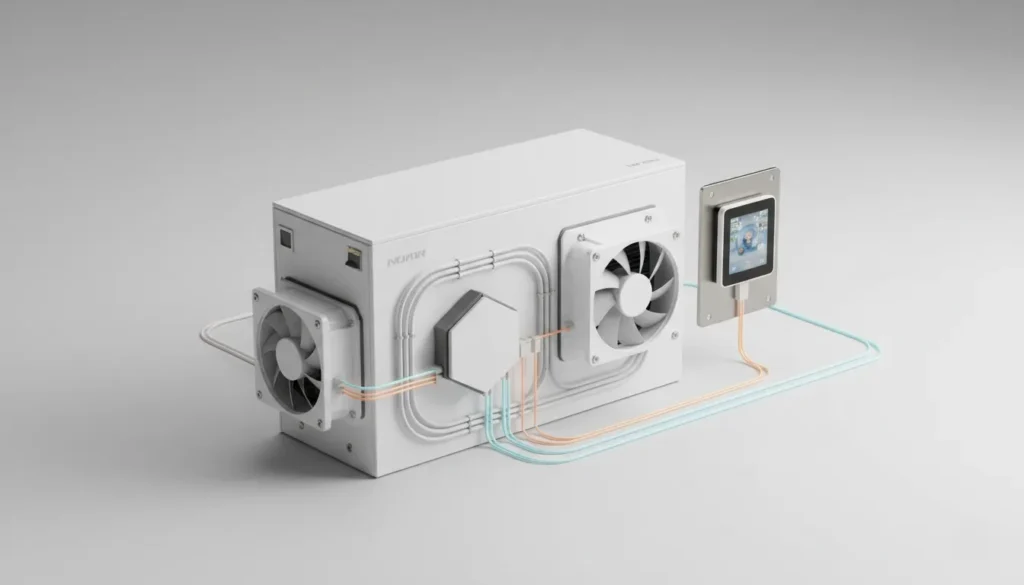
Key HVAC System Components That Depend on Wiring
Several HVAC system components rely on electrical connections to operate properly. If wiring fails, these parts cannot communicate or receive power.
Important elements include:
- Thermostat wiring – Thermostats connect to control boards using low voltage wires that signal heating or cooling commands.
- Control board – This circuit board processes thermostat signals and activates relays and motors.
- Compressor and condenser – These components power the cooling cycle in HVAC air conditioning units.
- Blower motor – Responsible for pushing conditioned air through ducts.
- Capacitors and relays – Electrical devices that regulate motor startup and voltage flow.
Each of these parts of an HVAC system depends on properly installed wiring checklist to function safely.
Common HVAC Wiring Problems
Electrical faults occur for several reasons including age, vibration, moisture, or incorrect installation. Below are the most frequent issues technicians encounter.
Loose Electrical Connections
Loose connections are among the most common causes of system malfunction. Over time, vibration from compressors and blower motors can slowly loosen wiring terminals.
Symptoms may include:
- System turning on and off randomly
- Inconsistent airflow
- Thermostat responding slowly
- Burn marks around terminals
Loose wires increase electrical resistance, which creates heat. Excess heat may damage components or melt insulation.
Fix – Technicians inspect terminals, tighten connections, and replace any damaged wiring.
Incorrect Thermostat Wiring
Improper thermostat installation often leads to control problems. A single wire connected to the wrong terminal can prevent heating or cooling cycles from activating correctly.
Common symptoms include:
- Air conditioner running continuously
- Heating and cooling activating at the same time
- System failing to respond to thermostat adjustments
Fix – A technician verifies wiring against manufacturer diagrams and reconnects wires correctly.
Damaged or Frayed Wires
Over time, insulation may deteriorate due to heat, moisture, or pests. Rodents sometimes chew wiring in basements or crawl spaces.
Signs of damaged wiring include:
- Frequent circuit breaker trips
- Burning odor near HVAC equipment
- Visible exposed copper wires
Damaged wiring can lead to short circuits or electrical fires.
Fix – Technicians replace affected wires and inspect surrounding electrical pathways for additional damage.
Short Circuits in Control Wiring
Low voltage wiring used in thermostats and control boards can develop short circuits. When wires touch or insulation fails, electrical flow becomes unstable.
This often results in:
- Blown fuses
- Non responsive thermostats
- Complete system shutdown
Fix – Electrical diagnostics identify the short location. The faulty wire is replaced and the control circuit restored.
Capacitor and Relay Wiring Failures
Capacitors help motors start and maintain speed. Relays allow electrical signals to activate components.
If wiring connected to these devices fails, the system may struggle to start or shut down unexpectedly.
Common symptoms include:
- Outdoor unit humming but not starting
- Fan motors failing to run
- Air conditioning cycles stopping mid operation
Fix – Professionals test voltage levels, replace defective wiring, and install new capacitors if needed.
Environmental Causes of Wiring Problems
Several external factors contribute to electrical faults in heating and cooling systems.
Moisture Exposure
Condensation from cooling equipment can accumulate around electrical panels and wires. Moisture accelerates corrosion and weakens connections.
Extreme Temperature Fluctuations
In Northwestern Wisconsin, harsh winters and warm summers place significant stress on equipment. Repeated expansion and contraction of materials can loosen connections.
Aging Infrastructure
Older buildings often contain outdated wiring that no longer meets modern electrical standards. Aging insulation becomes brittle and prone to cracking.
Risks Associated With HVAC Electrical Problems
Electrical faults in heating and cooling systems are more than an inconvenience. They can create serious safety risks and lead to expensive repairs if left unresolved.
Because HVAC equipment relies heavily on electrical signals and power distribution, even a small wiring fault can disrupt the entire system. Over time, these issues may affect system performance, energy efficiency, and overall safety inside the building.
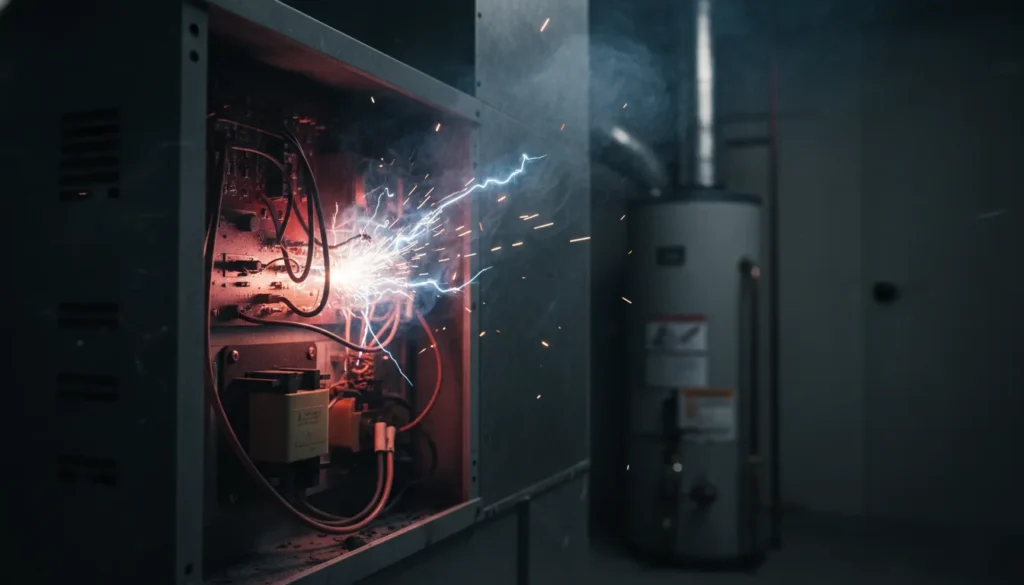
Fire Hazards
Overheated wires may ignite insulation or nearby materials if electrical resistance becomes too high. Loose connections and deteriorated wiring are common causes of overheating.
When current flows through damaged wires, heat builds up and may eventually trigger electrical fires. This risk increases in older HVAC units or systems that have not been inspected regularly.
Equipment Damage
Voltage irregularities caused by faulty wiring can damage compressors, control boards, capacitors, and blower motors. These components rely on stable electrical supply to operate correctly.
When voltage fluctuates or wiring connections fail, the equipment may experience electrical stress that shortens its lifespan. In severe cases, entire system components must be replaced, which significantly increases repair costs.
Reduced Efficiency
Improper wiring forces motors and compressors to work harder than intended. When electrical signals are inconsistent, system components cannot run at their designed capacity.
This results in longer operating cycles and unnecessary power consumption. Over time, this inefficiency increases electricity usage and leads to noticeably higher energy bills.
Unexpected System Failure
When wiring problems go unnoticed, they often lead to sudden system shutdowns. A short circuit or damaged connection may cause the HVAC unit to stop operating without warning.
During extreme summer heat or winter cold, this kind of failure can quickly make indoor spaces uncomfortable or even unsafe. Immediate repairs may be required to restore normal heating or cooling.
Professional Electrical Inspection and Repair
Because HVAC systems combine mechanical and electrical components, repairs should always involve trained professionals.
Technicians begin with a full electrical inspection that includes:
- Voltage testing across control circuits
- Inspection of thermostat wiring
- Evaluation of capacitors and relays
- Checking electrical panels and breakers
Once the problem is identified, repairs focus on restoring stable electrical connections and preventing future faults.
Homeowners searching for a commercial electrician near me often need assistance with HVAC wiring when systems serve large buildings or commercial facilities.
Preventing HVAC Wiring Failures
Preventive maintenance plays an important role in reducing electrical faults and keeping heating and cooling equipment operating safely. Many wiring problems develop gradually, often going unnoticed until they cause a system shutdown or performance issue.
Regular inspection and proper care of electrical connections help identify early warning signs before they turn into expensive repairs. Taking a proactive approach also improves system efficiency and extends the overall lifespan of heating and cooling equipment.
Schedule Routine Inspections
Annual inspections by a qualified technician can reveal worn wires, loose terminals, or aging electrical components before they lead to failure. Catching small electrical issues early can prevent sudden breakdowns during peak heating or cooling seasons.
During a maintenance visit, professionals typically check voltage levels, tighten electrical connections, inspect control wiring, and verify that thermostats communicate properly with the system.
Protect Wiring From Moisture
Moisture is one of the most common causes of electrical deterioration. Condensation around air conditioning equipment, poor drainage, or water leaks can lead to corrosion in electrical terminals and wiring insulation.
Keeping HVAC units properly sealed, ensuring condensate lines drain correctly, and maintaining dry electrical compartments help prevent long term damage to wiring connections.
Replace Aging Systems
Older heating and cooling systems often contain wiring that has degraded over time. Insulation may become brittle, connections may loosen, and electrical standards may no longer match current safety requirements.
If a system is approaching the end of its service life, replacing it with newer equipment can reduce the risk of recurring electrical issues while improving energy efficiency and reliability.
Keep Electrical Panels Accessible
Electrical panels connected to HVAC systems should remain clear and easy to access. Crowded or blocked panels make troubleshooting difficult and slow down repairs during emergencies.
Maintaining proper clearance around panels allows technicians to safely inspect circuits, test electrical connections, and resolve problems quickly if a system malfunction occurs.
Electrical Expertise in Northwestern Wisconsin
Reliable electrical work plays a major role in maintaining heating and cooling systems throughout Northwestern Wisconsin. In areas like Siren, Webster, Cameron, and Minong, seasonal temperature swings place heavy demands on HVAC equipment.
Professional HVAC wiring repair service understand how electrical systems interact with heating and cooling units and can identify wiring issues before they lead to system breakdowns.
Local electrical contractor Meyers Electric provides support for residential and commercial systems across the region. Property owners can reach out for electrical diagnostics and HVAC related wiring services at 715-234-3901.
FAQs
What causes HVAC wiring problems in homes?
Wiring problems usually develop due to aging insulation, loose connections, or environmental factors such as moisture and vibration. Regular inspections help detect these issues before they disrupt system performance.
Can faulty wiring damage an air conditioning system?
Yes, unstable voltage or short circuits can damage compressors, motors, and circuit boards. Electrical problems often lead to expensive repairs if not addressed quickly.
How often should HVAC wiring be inspected?
Electrical inspections are typically recommended once per year during routine HVAC maintenance. Systems in older homes or commercial buildings may require more frequent checks.
Are HVAC wiring problems dangerous?
Electrical faults can create overheating wires or short circuits, which increase the risk of fire. Professional diagnostics ensure that electrical systems operate safely.
Why does my thermostat stop responding sometimes?
Thermostat failures often occur because of loose control wiring or short circuits in low voltage cables. Correct wiring and stable voltage usually restore proper operation.
Conclusion
Heating and cooling systems depend on reliable electrical connections to operate efficiently. When wiring deteriorates, loosens, or becomes damaged, it can disrupt system performance and create safety risks.
Understanding common electrical faults helps homeowners and facility managers recognize warning signs early. Loose connections, damaged wires, and thermostat wiring errors are among the most frequent causes of HVAC malfunction.
Routine electrical inspections, timely repairs, and professional maintenance keep systems operating safely and efficiently. In regions like Northwestern Wisconsin where temperature extremes are common, dependable HVAC wiring ensures year round comfort and reliable climate control.