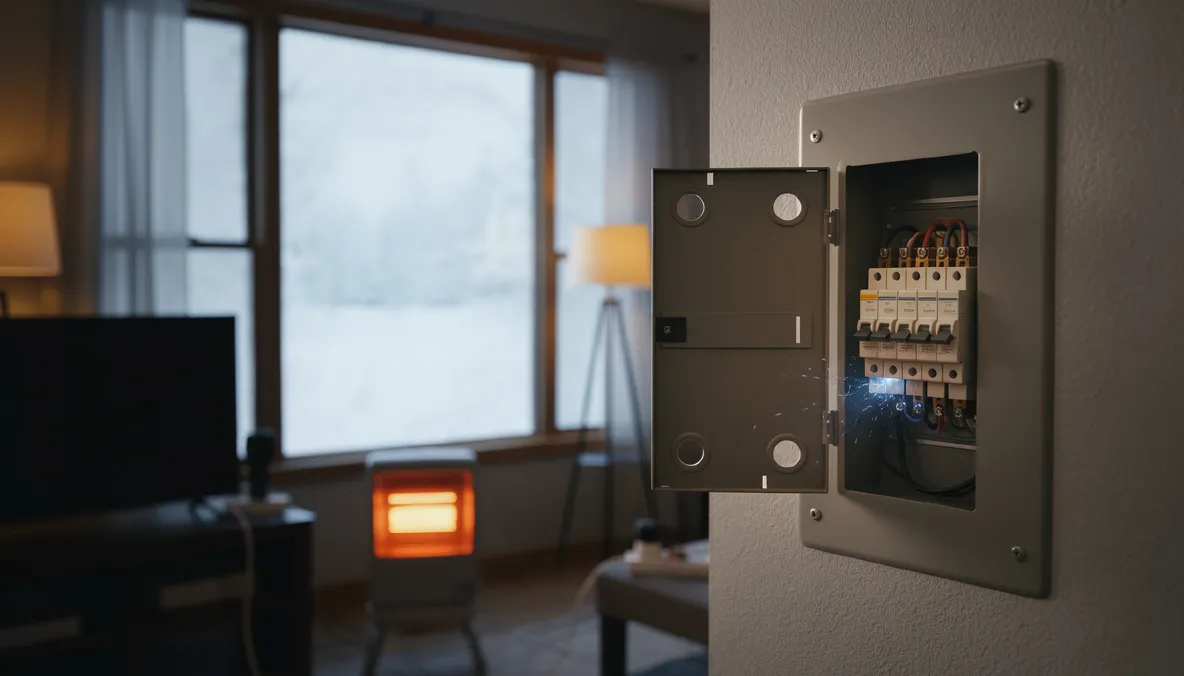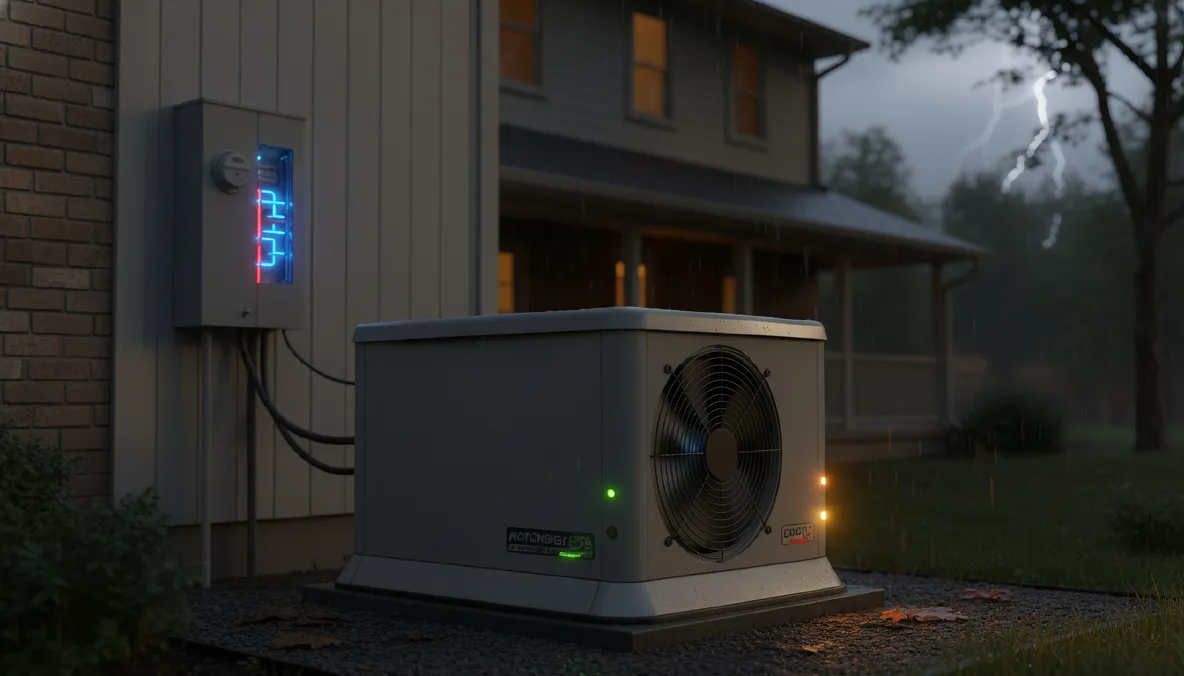

If you want fewer false alarms, clearer camera footage, faster emergency response, and less finger pointing between vendors, the answer is simple: treat your building like one connected system, not a stack of separate installs. That is the real value of Integrated Safety done right by a Commercial Electrician.
Table of Contents
Security and Electrical Systems
Most buildings grow their safety and security the same way they grow storage closets. One piece at a time. A fire panel gets added after a renovation. A few cameras go up after a break in. Someone needs a door code changed, so a keypad appears.
Then Wi Fi dead zones get “fixed” with random hardware. Individually, each decision makes sense. Collectively, it creates three problems:
- No shared truth: Your camera system says one thing, your access control logs say another, and the alarm panel has its own timeline. During a real incident, you waste precious minutes reconciling data.
- More failure points than you think: A loose connection, a power issue, or an overloaded network switch can cascade into multiple “unrelated” outages.
- Maintenance becomes guesswork: Different installers, different wiring standards, different service schedules. The building works until it doesn’t, and then nobody “owns” the problem.
This fragmented approach creates a significant challenge for businesses trying to maintain both safety standards and operational efficiency. Managing separate systems often leads to gaps in coverage and increased risk.
An integrated approach is basically the opposite. It is one plan, one standard, one set of priorities, and one clean path for signals and power. The advantages of integrated safety include streamlined operations, reduced risk of failure, and easier maintenance compared to separate reliable power systems.
Integrated safety is crucial in high-risk environments, where seamless coordination and reliability are essential.
What integrated safety actually means in the real world
Integrated safety is not a fancy dashboard for the sake of a dashboard. It is the practical linking of detection, access, video, and infrastructure so that your building can do three things consistently. An integrated safety platform brings together these elements to provide comprehensive coverage and real-time management for the workplace.
- Detect issues early
- Communicate clearly
- Support a fast, repeatable response
- Enable safer and more efficient operations through integration
Think of it like a good team. Each role is different, but they share the same playbook. Integrated safety systems enhance employee safety, boost productivity, and ensure regulatory compliance by consolidating health, safety, and security protocols.
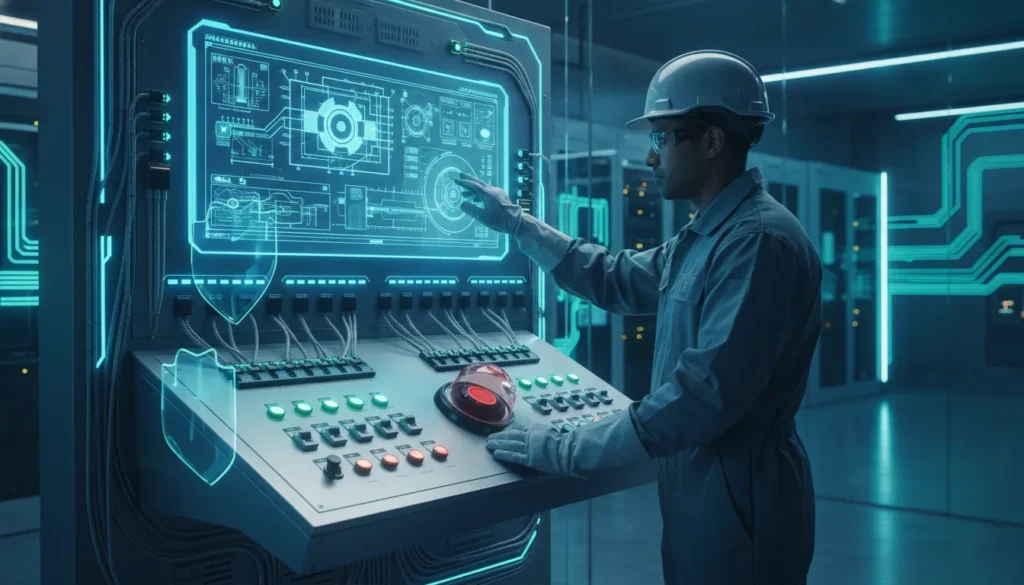
The core building blocks that should work together
Below are the components most facilities in Northwest Wisconsin rely on. You may already have some of them.
- Integration is about making them cooperate. Integration addresses all aspects of safety management, including core functions and processes, to ensure comprehensive and effective safety coverage.
- Sensor networks, which consist of interconnected devices, play a key role by monitoring for hazards such as human presence, high temperatures, or gas leaks.
- The five core functions of Integrated Safety Management are essential for effective safety management and should be considered when integrating building blocks.
Fire and life safety detection
A well designed system does more than “make noise.” It tells you where the issue is, what triggered it, and whether it is escalating. With Fire alarm & gas detection systems, you want clarity without constant nuisance alerts.
That means correct device placement, clean wiring, stable power, and a configuration that matches how the building is used day to day. Monitoring is essential for detecting potential hazards and preventing accidents, making it a core part of integrated safety.
Real examples of where this matters:
- Mechanical rooms with intermittent fumes
- Commercial kitchens with heat and humidity
- Attached garages or service bays
- Utility areas with older equipment
Real-time monitoring using wearables, IoT sensors, and cameras can track worker conditions and location, providing instant alerts to help prevent accidents and improve overall safety.
A strong system reduces false alarms while still catching real problems fast.
Controlled access without daily headaches
Keys get copied. Codes get shared. Doors get propped. That is normal human behaviour, which is why access control must be designed for real humans.
With Access control & surveillance, the goal is to understand who went where and when, and to make entry rules easy to manage. Integration matters here because door events become more powerful when they can trigger camera bookmarks or alerts.
You are not just “locking doors.” You are building a reliable record of movement that can protect staff, employees, customers, and property, while also safeguarding their health. Safety management software can also integrate with wearable technologies to ensure continuous monitoring of worker conditions.
Cameras that actually help after something happens
Many camera installs look fine until you need them. Then the footage is grainy, the angle misses the action, or the system was offline and nobody noticed.
Advances in technology have significantly improved safety systems, making cameras more effective by enabling real-time monitoring, better image quality, and seamless integration with other safety solutions.
Integration improves outcomes in two ways:
- You can correlate video with access events and alarm events.
- You can design the network and power so the cameras stay stable.
Wearable devices like connected hardhats and bio-tracking bands can gather data on worker environments, further enhancing camera system integration and supporting a holistic approach to safety systems.
The best camera system is not the one with the most cameras. It is the one where the right cameras produce usable footage when it counts.
The invisible piece that makes everything succeed
Your alarms, access control, and video are only as good as the infrastructure carrying signals and power. That includes raceways, labelling, grounding, surge protection, network layout, and clean terminations.
Implementing integrated infrastructure is essential to support effective management and work practices, ensuring that safety is systematically embedded into both management processes and daily operations.
With Data, network & security cabling, quality shows up later when your system is still stable through weather swings, busy weekends, and equipment upgrades.
If you have ever dealt with mystery cables, unlabelled panels, or random splices, you already know why this matters. Safety controls can also be integrated directly into machines, such as robotic arms or conveyor belts, to enhance protection without shutting down production.
Guiding principles for effective safety integration
When it comes to integrated safety management, having a clear set of guiding principles is what turns good intentions into real-world results. The days of relying on “separate systems” are over today, effective safety management means every part of your operation, from line management responsibility to hazard controls, works together under one plan.
At the heart of integrated safety management is the idea that safety isn’t just a checklist it’s a way of working. Managers play a key role by defining the scope of work, identifying potential hazards, and making sure the right hazard controls are in place. This isn’t just about compliance; it’s about protecting workers, equipment, and your business as a whole.
Why integration matters in Northwest Wisconsin specifically
This region has its own reality. Weather changes fast. Buildings vary widely. Some sites are rural, some are busy seasonal destinations and have commercial lighting problems.
The environment in Northwest Wisconsin presents unique safety challenges that must be addressed in any integrated safety approach. That affects design choices.
If you serve customers in Siren and Webster, you may have properties that need strong reliability with limited on site technical support.
In Cameron, you may see facilities with a mix of newer buildouts and older electrical infrastructure. Minong and the surrounding areas often include sites that are spread out, which makes clear cabling standards and remote visibility more important.
And if you are searching for North Western Wisconsin Electrician, you are probably not looking for a flashy setup. You are looking for systems that keep working when conditions are imperfect.
Industries such as oil and gas, construction, mining, and manufacturing benefit greatly from Integrated Safety Management Systems due to the hazardous nature of their environments.
A simple planning method that prevents expensive rework
When integrated safety projects go wrong, it is usually because someone started installing before the plan was complete. Integrating safety practices and processes into planning helps prevent expensive rework.
Integrated Safety Management integrates safety into management and work practices at all levels.
Here is the approach that keeps things clean and avoids redoing work.
Step 1: Map risks and routines
Not just “where are the doors” but how the building actually operates, including evaluating current work practices.
- Which doors must stay locked
- Which areas need after hours access
- When staff arrive and leave
- Where false alarms tend to happen
- What areas need better visibility
The objective of Integrated Safety Management is to perform work in a safe and environmentally sound manner by integrating safety into all work practices and procedures.
Step 2: Decide what should trigger what
This is the heart of integration, ensuring that triggers support safe ways to perform work. Examples:
- Alarm event triggers an alert and highlights camera views
- Forced door event bookmarks video automatically
- Certain doors lock down during specific schedules
- A gas detection event sends a clear priority notification
Integrated Safety Management Systems help ensure compliance with local, national, and international safety standards by automating documentation and monitoring, which promotes workplace safety and regulatory compliance.
You do not need to automate everything. You just need the few automations that save time during stressful moments.
Step 3: Design the infrastructure first
Before adding devices, confirm:
- Power availability and backup needs
- Network switching capacity
- Cable pathways and protection
- Labelling and documentation standards
When planning infrastructure for integrated safety, include provisions for regular safety audits and continuous monitoring systems.
Continuous monitoring of chemical concentrations and pressure levels can trigger safe shutdowns if thresholds are breached.
Infrastructure is not glamorous, but it is where reliability comes from.
Step 4: Install, test, and document like you will forget everything later
Future you will thank present you for following the seven guiding principles during installation and documentation:
- Clean labelling
- As built drawings or at least clear notes
- Device lists
- Test results
- Simple troubleshooting steps
Research institutions like Argonne rely on Integrated Safety Management Systems as the foundation of their efforts to provide a safe environment, ensuring that safety, health, and environmental protection are integrated into all research activities.
A system that cannot be understood is a system that will be neglected.
What good integration looks like day to day
You do not “feel” a good system when everything is normal. That is the point. But you will notice the benefits in small ways: Being committed to integrated safety helps organizations achieve better outcomes by ensuring that safety, environmental, and health objectives are met through unified management processes.
- Fewer mystery beeps and nuisance alerts
- Faster answers when something triggers
- Cleaner handoffs between staff and service teams
- Less downtime because the infrastructure is stable
- Easier expansion because the cabling and panels were planned
A unified safety system promotes shared responsibility, increasing employee morale, trust, and engagement. Over time, you spend less energy babysitting the building.
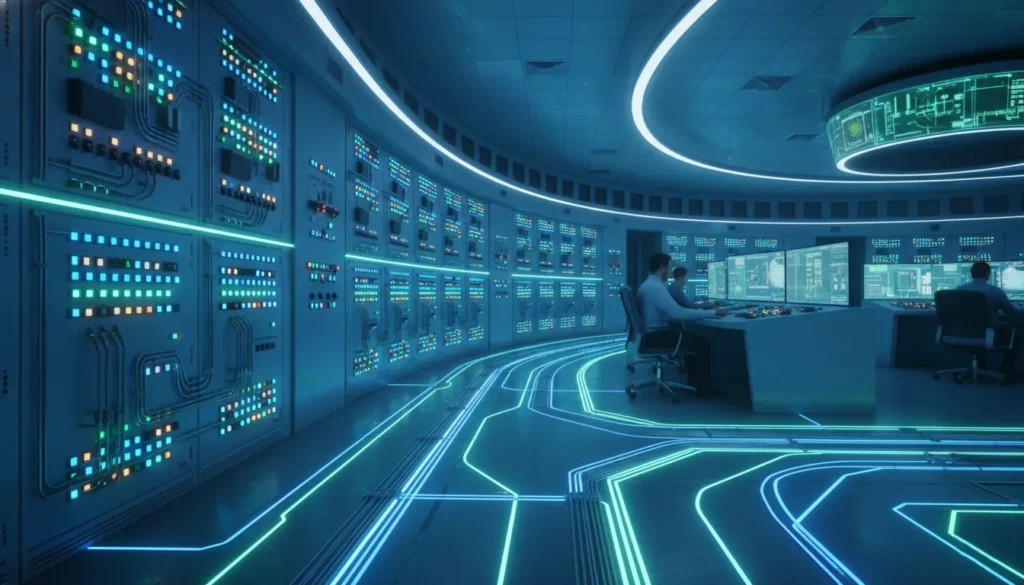
When should you upgrade versus integrate what you have
You do not always need to rip and replace. A lot of buildings can improve quickly by integrating existing components and cleaning up infrastructure.
Modern safety systems and platforms make integration easier by providing centralized solutions for real-time safety management, hardware integration, and comprehensive safety coverage.
Upgrade is usually the right move if:
- The system cannot be serviced or parts are obsolete
- You cannot export logs or reliably review events
- Your coverage is fundamentally wrong, not just incomplete
- The network or power design is causing constant instability
Integration is often the right move if:
- Your components are fine but disconnected
- You have multiple vendors and no unified documentation
- You need better response workflows, not more devices
Integrated Safety Management Systems (ISMS) provide a platform for active sharing of safety-related documents, tools, and processes, making it easier to manage and enhance safety across your organization.
Local support, one clear point of contact
If you want a practical plan for an integrated setup based out of Rice Lake that supports local business needs, you can contact Meyers Electric once at 715-234-3901 to talk through what you have, what is missing, and what can be improved without overbuilding.
Integrated safety systems also help organizations stay up-to-date with evolving regulations, improving audit efficiency and reducing penalty risks.
How integrated safety shapes workplace culture and management
Integrated safety management isn’t just about connecting alarms and cameras, it’s about weaving safety into the very fabric of your workplace culture and management style. When safety becomes part of everyday management and work practices, it shifts from being a checklist item to a shared value that guides every decision and action.
At the heart of this approach is line management responsibility. Instead of leaving safety to a single department, integrated safety management ensures that every manager and employee understands their role in keeping the workplace safe.
This means defining the scope of each task, identifying potential hazards before work begins, and making sure the right hazard controls are in place. By doing so, organizations create an environment where safety is everyone’s business, not just a box to tick for compliance.
FAQs
What is integrated safety in a small business building?
It means your alarm, access, cameras, and cabling are planned as one system so events are clear and response is fast. Even small sites benefit because it reduces false alarms and confusion.
Do I need new equipment to integrate systems?
Not always. Many setups can be improved by connecting existing components properly and upgrading the underlying network, power, and documentation where needed.
Why do false alarms happen so often?
False alarms usually come from poor device placement, unstable power, messy wiring, or settings that do not match real building conditions. A proper assessment fixes the root cause instead of silencing alerts.
How do cameras and access control help each other?
When integrated, door events can automatically pull up the right camera view and timestamp the recording. That makes investigations quicker and reduces the need to manually search footage.
What should I ask for when hiring electricians for integrated systems in Northwest Wisconsin?
Ask about testing procedures, labelling standards, documentation, and how they design power and network stability. A good install is not just devices, it is a system you can maintain. Remember, safety is everyone’s responsibility in an organization, so ensure your electricians prioritize safety management throughout the process.
Conclusion
Integrated safety is less about buying “more” and more about integrating processes so that what you already rely on actually works together for better outcomes.
When alarms, access, surveillance, and cabling share one plan, you get clearer events, steadier uptime, and faster decisions during the moments that matter. In places like Siren, Webster, Cameron, Minong, and across Northwest Wisconsin, that reliability is not nice to have.
It is the difference between handling an incident calmly or scrambling in the dark. The integration of various safety aspects in ISMS minimizes gaps, overlaps, and inefficiencies that can arise from using disparate safety management systems.