
Commercial lighting problems usually come down to three root causes: electrical distribution faults, outdated fixtures, or poor system design. Recent advancements in commercial lighting in America are making a significant impact on local businesses by improving efficiency and reliability.
When a building in Rice Lake or nearby Eau Claire, WI starts experiencing flickering panels, uneven brightness, or rising energy bills, the issue is rarely just a bulb. It is often a deeper performance imbalance within the lighting infrastructure.
Table of Contents
Commercial Lighting System Performance Issues
Commercial lighting systems are specifically designed for non-residential, business-oriented spaces, setting them apart from residential lighting solutions.
While some providers offer both residential and commercial lighting as part of their broader portfolio, this article focuses on commercial lighting system performance.
Lighting in commercial buildings is not decorative. It supports productivity, safety, compliance, and operational stability.
Making improvements to lighting systems is crucial for maintaining productivity and ensuring operational stability. When it underperforms, businesses feel it immediately.
Why Commercial Lighting Performance Matters
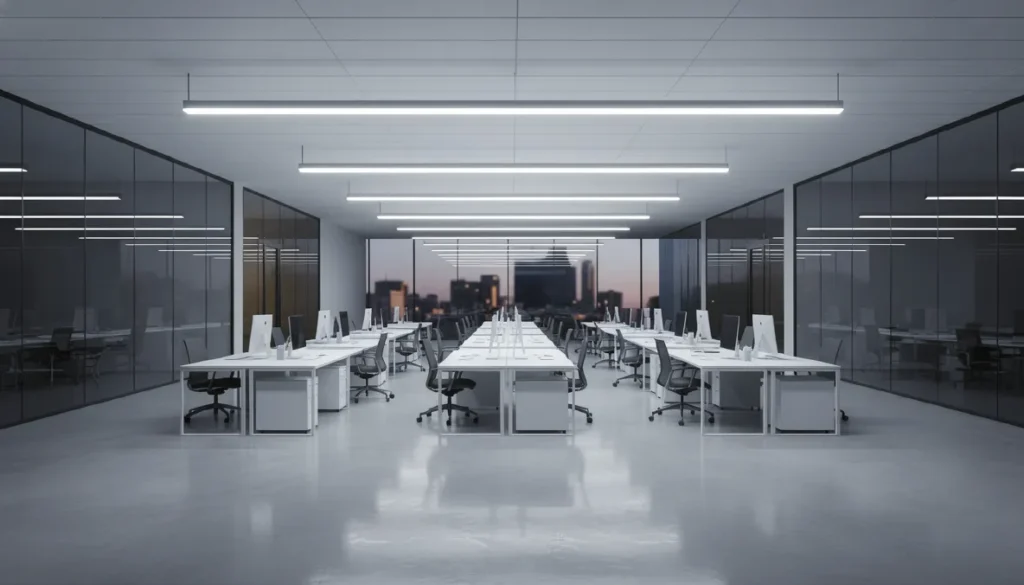
A commercial space depends on consistent illumination levels. Offices require balanced brightness to reduce eye strain.
Proper office lighting reduces errors and prevents eye strain. Warehouses need high output without shadow gaps. Retail stores depend on accurate colour rendering to display products properly.
When lighting fails, it affects workflow and perception. Employees struggle with visibility. Customers notice dark zones. Effective commercial lighting helps employees and customers find their way safely in commercial spaces. Equipment tied to lighting circuits may trip or reset.
In North Western Wisconsin, where facilities range from manufacturing shops to agricultural buildings, environmental conditions also influence system performance. Temperature swings, humidity, and dust all impact fixture lifespan and wiring integrity.
Common Commercial Lighting Problems
Flickering or Inconsistent Output
Flickering is one of the most common performance issues. It often points to voltage irregularities, loose connections, or failing drivers in LED fixtures. In older properties across Chippewa Falls, WI and Menomonie, WI, legacy ballast systems can also create instability.
A single flickering fixture might seem minor. Multiple flickering fixtures usually indicate a broader distribution concern within the panel or branch circuit.
Uneven Lighting Levels
Dark spots and overly bright areas create visual discomfort. This usually results from poor layout planning, fixture aging, or lumen depreciation. In warehouses, this can increase accident risk. In offices, it reduces focus.
A professional lighting audit evaluates spacing, mounting height, and reflectivity of surfaces to identify why illumination is inconsistent.
Rising Energy Consumption
When energy bills increase without extended operating hours, inefficient fixtures are often the cause. Outdated fluorescent systems consume more power and require more maintenance.
LED retrofits can dramatically improve efficiency, but only when installed correctly and matched to the building’s load capacity.
Frequent Breaker Trips
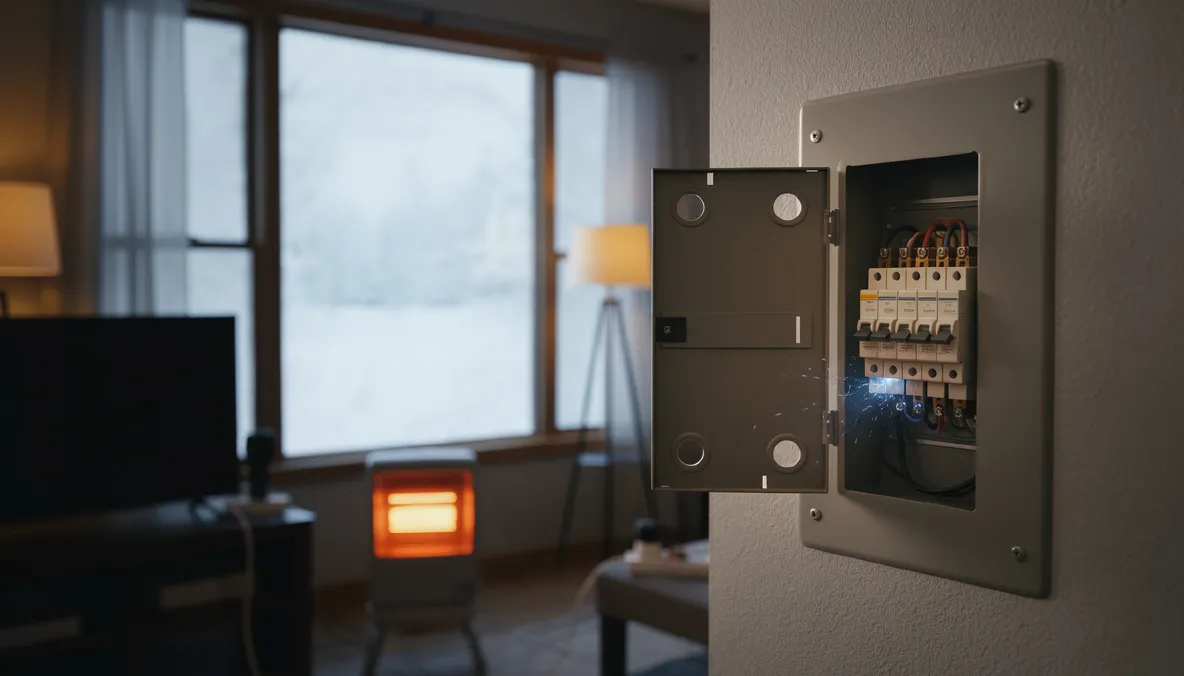
Lighting circuits that trip repeatedly may be overloaded or improperly balanced. Commercial electricians evaluate load distribution across panels to prevent overheating and reduce fire risk.
In older facilities near Rice Lake, circuits were often expanded over time without recalculating capacity. This gradual overload eventually shows up as nuisance trips.
Short Fixture Lifespan
If LED fixtures are failing prematurely, the problem may not be the fixture itself. Voltage spikes, poor grounding, or incompatible dimming systems can shorten driver life.
An electrical evaluation helps determine whether the issue lies in installation, product selection, or supply irregularities.
Electrical Infrastructure and Lighting
Lighting performance is tied directly to overall electrical health. Transformers, panels, breakers, and wiring all influence output stability.
In industrial buildings across Eau Claire, WI, three phase systems are common. Improper phase balancing can create lighting inconsistencies and equipment stress. In smaller commercial buildings, single phase distribution must still be carefully managed.
Professional commercial electricians assess load calculations, conductor sizing, and panel conditions before recommending fixture upgrades.
Environmental Factors in Northwest Wisconsin
Cold winters and humid summers create constant expansion and contraction in wiring, connections, and lighting fixtures, which can gradually weaken their performance over time.
This seasonal stress is a common cause of parking lot lighting problems, especially in outdoor commercial environments where systems are exposed to harsh weather conditions year-round.
Moisture intrusion into junction boxes often leads to corrosion, which increases resistance and reduces performance.
Facilities in agricultural zones around Menomonie, WI may also experience dust accumulation inside fixtures, reducing lumen output over time.
Lighting Design and Colour
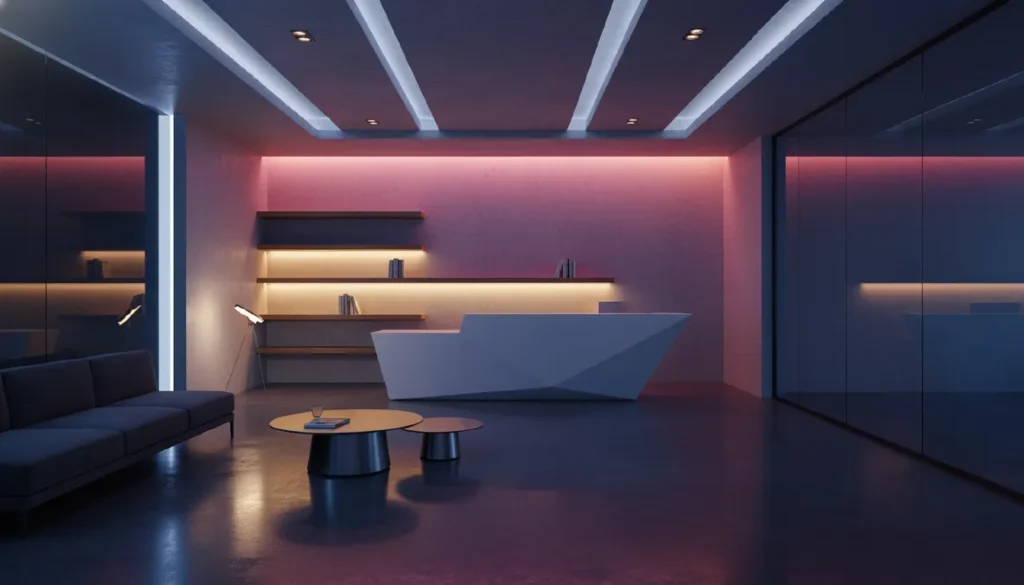
Lighting design and colour are essential elements in shaping the atmosphere and functionality of any commercial space. In today’s competitive market, commercial LED lighting offers businesses the flexibility to define their environments with precision, balancing aesthetic appeal and high performance.
Modern lighting systems are also evolving with smart technologies, making them more efficient and easier to manage over time. By integrating predictive maintenance for lighting, businesses can monitor system performance, detect potential issues early, and reduce unexpected downtime or costly repairs. This not only ensures consistent illumination quality but also extends the lifespan of lighting infrastructure.
Whether you’re planning a new construction project or looking to upgrade your current lighting, consider the impact that thoughtful lighting design and colour can have on your commercial space. With the right products, expert guidance, and a commitment to quality, you can build a lighting system that meets your needs today and adapts to the demands of tomorrow.
Lighting Controls and Smart Systems
Modern commercial lighting systems often include occupancy sensors, daylight harvesting controls, and programmable dimming. While these systems improve efficiency, incorrect calibration can cause inconsistent brightness.
Connected lighting systems allow you to control your entire lighting network through a single platform. Smart lighting controls enable users to adjust lighting levels, color, and temperature, as well as receive real-time data on energy usage. Human-centric lighting controls are designed to improve harmony with our circadian rhythm.
Control compatibility must be verified during installation. LED drivers must align with dimming protocols. Sensors must be positioned accurately to avoid false triggers.
Smart lighting systems provide data insights, but they require correct integration with the building’s electrical framework.
Lighting for Specific Commercial Spaces
Every commercial environment has unique lighting requirements, and choosing the right commercial LED lighting solutions is essential for maximizing both performance and efficiency.
Offices, for example, benefit from fixtures that provide balanced, glare-free illumination to support productivity and reduce eye strain.
With advancements in commercial LED lighting technology, competitive pricing, and a wide range of products in stock and ready to ship, upgrading your lighting system has never been easier whether you’re building new or retrofitting an existing facility.
Code Compliance and Safety
Ensuring code compliance and safety is a fundamental aspect of any commercial lighting project. Adhering to national and local electrical codes not only protects your business from potential hazards but also ensures that your lighting systems operate at peak performance and efficiency.
Compliance with standards such as the National Electrical Code (NEC) is essential for passing inspections, maintaining insurance coverage, and safeguarding the rights of building owners and occupants.
For businesses, staying up to date with code changes and safety best practices is an ongoing commitment. Partnering with knowledgeable distributors, electricians, and lighting professionals ensures that your systems are always in line with current standards.
By prioritizing code compliance and safety, you protect your investment, your team, and your customers creating a secure and reliable environment for all commercial applications.
Signs You Need a Professional Assessment
If your building experiences repeated bulb replacements, fluctuating brightness, or unexplained energy increases, a professional evaluation is recommended.
An experienced team will test voltage levels, inspect panel connections, evaluate fixture compatibility, and measure actual lux output across work zones.
For businesses in Rice Lake and surrounding communities, contacting licensed professionals ensures compliance with electrical codes and local regulations. Engaging local professionals also supports the community and ensures commercial lighting solutions are tailored to the unique needs of local businesses.
Preventive Maintenance for Commercial Lighting
Lighting systems perform best when maintained proactively. Annual inspections identify loose wiring, thermal damage, and early fixture degradation.
Having a stock inventory of replacement parts and fixtures is crucial to ensure quick repairs and minimize disruptions. Fast shipping of lighting components also helps reduce downtime during maintenance, allowing facilities to stay operational.
Cleaning lenses and reflectors improves output without increasing energy use. Tightening connections prevents resistance build-up and heat generation.
Routine checks are especially important in manufacturing environments where vibration can loosen hardware over time.
Upgrade or Repair
Not every lighting issue requires a full system replacement. Sometimes repairing distribution faults restores performance. In other cases, upgrading to modern LED systems provides long term savings.
Placing an order for new lighting products is now easier than ever through online platforms, allowing quick access to top-selling commercial lighting items.A cost analysis should compare repair expenses, maintenance frequency, and energy consumption.
For growing businesses in Chippewa Falls, WI, investing in efficient lighting improves operational control. The latest innovations in commercial lighting include 3D-printed lighting solutions that offer superior sustainability and easy installation.
When considering upgrades, always verify panel capacity and surge protection measures to prevent new issues from emerging.
Choosing Qualified Professionals
Working with experienced commercial electricians ensures accurate diagnostics and safe installations. Licensing, insurance, and local code knowledge are critical.
When selecting a provider, easy access to professional services and up-to-date information is essential for making informed decisions.
One established provider serving Rice Lake and surrounding communities is Meyers Electric. Their experience across commercial facilities in North Western Wisconsin allows them to address both modern LED conversions and legacy electrical systems.
Cooper Lighting Solutions also offers a range of commercial lighting case studies to showcase successful installations.For direct assistance, businesses can reach them at 715-234-3901 to schedule evaluations.
Frequently Asked Questions
What causes commercial lighting to flicker even after bulb replacement?
Flickering often results from voltage inconsistencies, failing drivers, or loose wiring connections. Replacing the bulb does not fix underlying electrical instability.
How often should commercial lighting systems be inspected?
Annual inspections are recommended for most facilities. High vibration or high moisture environments may require more frequent evaluations.
Can outdated panels affect lighting performance?
Yes, aging panels can create uneven load distribution and overheating. This affects both lighting stability and overall building safety.
Are LED retrofits always the best solution?
LED retrofits are efficient but must match circuit capacity and control systems. Improper installations can cause driver failure and inconsistent output.
Why are energy bills increasing without longer operating hours?
Inefficient fixtures, hidden wiring resistance, or malfunctioning controls may be drawing excess power. An electrical audit can identify the cause.
Conclusion
Commercial lighting system performance issues rarely originate from a single fixture. They stem from electrical distribution imbalances, environmental stress, or outdated infrastructure.
For businesses in Eau Claire, WI, Chippewa Falls, WI, Menomonie, WI, and across North Western Wisconsin, consistent lighting supports productivity, safety, and financial stability.
Addressing small issues early prevents larger disruptions later. Whether the solution involves recalculating loads, upgrading fixtures, or repairing wiring, proactive action protects both operations and long term investment.
Effective commercial lighting should be tailored to specific areas for both functionality and moods, ensuring the right ambiance and emotional tone for each space.