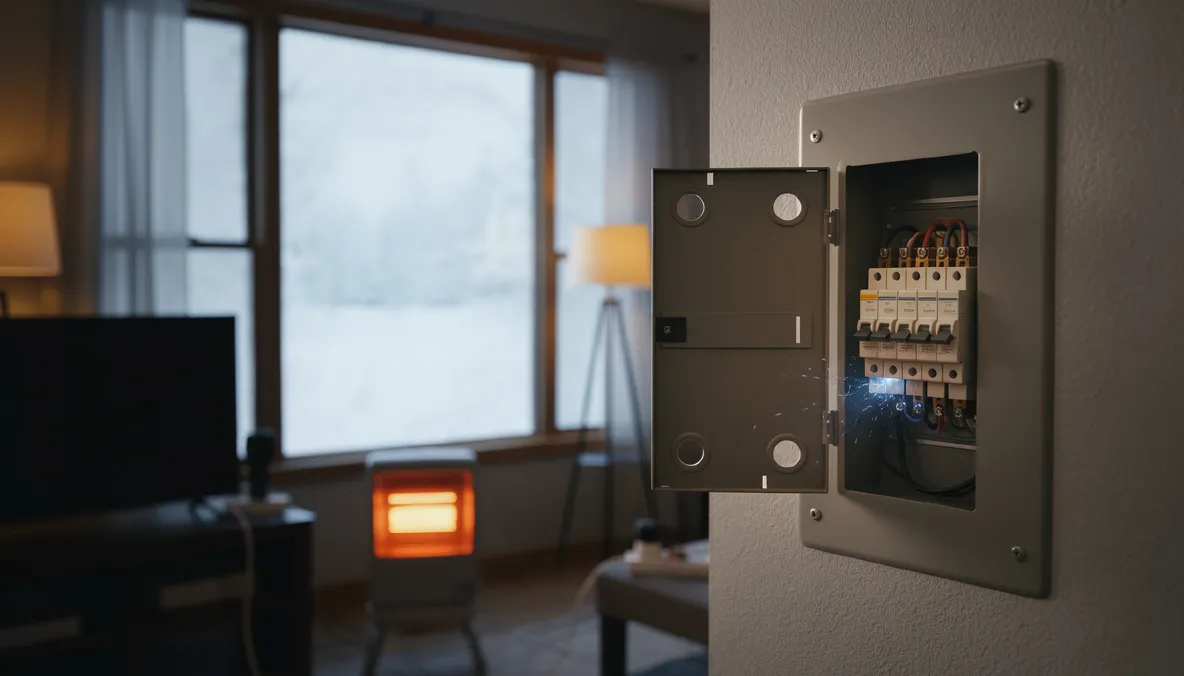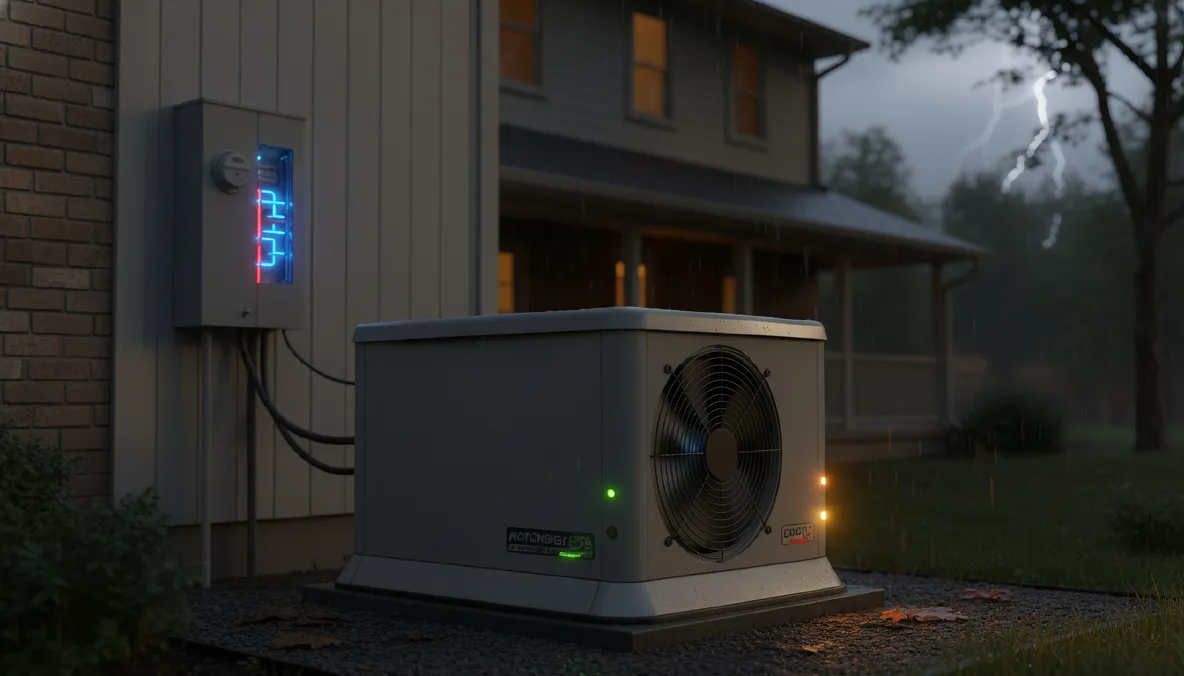

Hot tubs and pools require properly installed electrical systems that meet code, prevent shock hazards, and protect your home from costly damage. Safe wiring is not optional in Wisconsin where moisture, temperature swings, and outdoor exposure add extra risk.
Table of Contents
Hot Tub and Pool Wiring Safety Tips
If you own or plan to install a spa or pool in Rice Lake or nearby communities, understanding the fundamentals of safe electrical setup will protect both your investment and your family.
This guide walks you through what matters most, from grounding and bonding to GFCI protection and inspections, with specific insight for homeowners in Chippewa Falls, WI, Menomonie, WI, Barron, WI, Cumberland, WI, and those searching for experienced North Western Wisconsin Electricians.
Why Safety Matters More Than You Think
Water and electricity are a dangerous mix. The risk is not just visible sparks or dramatic failure. The real concern is stray voltage, improper bonding, corroded connections, and undersized wiring that overheats quietly over time.
In Wisconsin, outdoor installations face snow, ice, spring thaw, humidity, and fluctuating soil conditions. These factors stress electrical components and increase the need for proper enclosure ratings and weather resistant materials.
When wiring is done correctly, your system will:
- Deliver stable power to pumps and heaters
- Prevent nuisance breaker trips
- Reduce fire and shock hazards
- Pass inspection without costly revisions
When wiring is rushed or handled without code knowledge, the risks multiply quickly.
Code Compliance Is Not Optional
Electrical installations for pools and spas must follow the National Electrical Code and Wisconsin state regulations. Local municipalities in Barron County and surrounding areas may also enforce additional inspection standards.
Key requirements typically include:
- Dedicated circuit sized to manufacturer specifications
- GFCI breaker protection
- Proper grounding and bonding of all metallic components
- Correct wire gauge for distance and amperage
- Weather rated disconnect within required sight distance
Skipping any one of these elements can result in inspection failure or safety hazards.
The Role of GFCI Protection
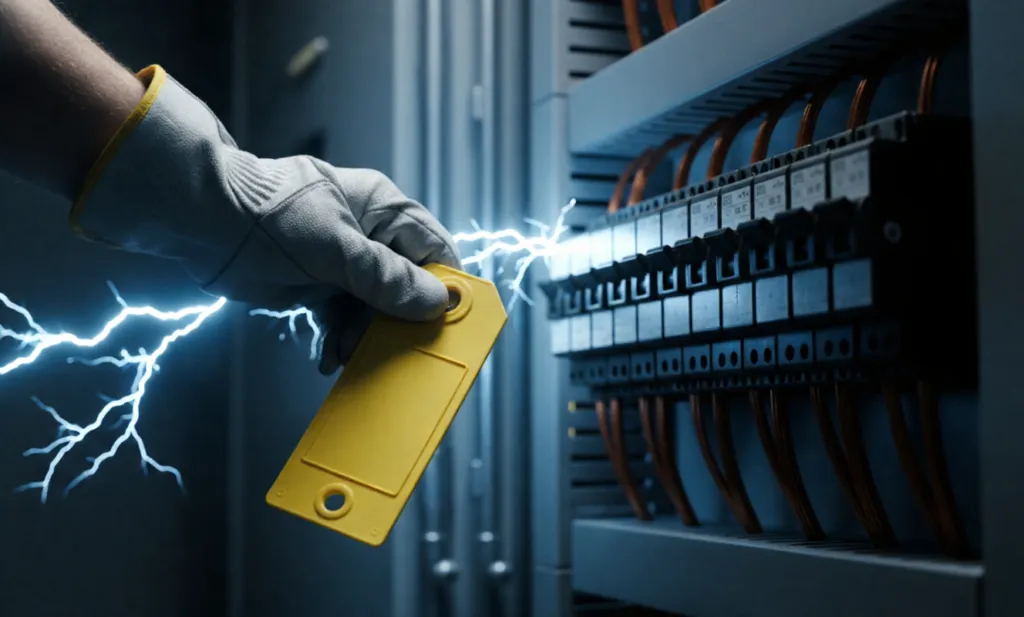
Ground Fault Circuit Interrupter protection is one of the most critical safety features in spa and pool installations. A GFCI outlet safety for pools power instantly when it detects imbalance in electrical current.
Even a minor fault can trigger it. That is the point. It prevents current from traveling through water and into a person.
Testing the GFCI monthly is recommended. Press the test button. The breaker should trip immediately. Reset it afterward. If it fails to trip, call a licensed electrician before using the system again.
Bonding vs Grounding Explained Clearly
These two terms are often confused.
- Grounding connects electrical equipment to the earth to stabilize voltage and clear faults.
- Bonding connects all metallic components together so they share the same electrical potential.
In a pool or hot tub system, bonding ensures ladders, rails, pumps, and structural components do not carry stray voltage differences. Without proper bonding, you may feel tingling sensations in water, which is a serious warning sign.
Proper Disconnect Placement
A disconnect must be installed within sight of the spa but at a safe distance from water. This allows quick shutdown during maintenance or emergency situations.
The disconnect enclosure must be weather rated and securely mounted. In snowy climates like Cumberland, WI, placement should consider snow accumulation and accessibility in winter.
Wire Sizing and Distance Considerations
Voltage drop becomes a factor when the spa is located far from the main service panel. Undersized wiring can cause:
- Heater malfunction
- Motor strain
- Increased energy costs
- Premature equipment failure
A professional calculation accounts for amperage draw, total run length, and future expansion potential.
Underground Conduit Requirements
Most outdoor installations require buried conduit pool electric safety tips. Depth requirements vary depending on conduit type and local code.
Common mistakes include:
- Shallow trenching
- Using incorrect conduit material
- Failing to seal fittings properly
In regions like Chippewa Falls, WI and Menomonie, WI where frost depth matters, trench depth must prevent freeze related damage.
Equipment Pad Planning
The equipment pad should be level, stable, and positioned to allow ventilation and service access.
Electrical connections must not be exposed to splash zones or direct water runoff. Sealing, proper drip loops, and elevated connections help prevent corrosion.
Seasonal Inspections Matter in Wisconsin
Cold winters and humid summers put stress on outdoor systems. At least once per year, inspect:
- Disconnect enclosure for moisture
- Conduit integrity
- Breaker performance
- Visible corrosion
- Tightness of accessible terminals
If you notice flickering spa lights, inconsistent heating, or breaker trips, address it immediately.
When to Call a Professional
If you are installing a new spa, upgrading your service panel, or replacing outdated wiring, hire licensed professionals experienced in outdoor electrical systems.
A qualified contractor understands load calculations, permitting, bonding grids, and inspection scheduling. In Rice Lake and surrounding areas, one call to 715-234-3901 connects homeowners with experienced technicians familiar with regional codes and climate demands.
For homeowners planning broader upgrades, including lighting or panel changes, discuss how hot tub and pool wiring integrates with overall residential electric service installation handled by certified electrical residential contractors. A coordinated approach avoids overload issues later.
Meyers Electric has served the region from Rice Lake across Barron, WI and neighbouring communities, helping property owners install compliant, safe spa and pool systems without unnecessary complexity.
Common Mistakes to Avoid
- Using extension cords for temporary setups
- Installing indoor rated breakers outdoors
- Ignoring bonding requirements
- Failing to pull permits
- Running multiple high load appliances on the same circuit
Temporary shortcuts often become permanent risks.
Planning for Future Expansion
If you plan to add landscape lighting, outdoor kitchens, or heating systems, consider service capacity now. Upgrading your panel later is more expensive than planning ahead.
Homeowners in Menomonie, WI and Chippewa Falls, WI often combine spa installation with backyard renovations. Proper electrical planning ensures enough capacity without constant breaker trips.
Energy Efficiency and Safety
Modern spas are more energy efficient than older models. However, efficiency depends on stable voltage and correct amperage delivery.
Undersized wiring can increase resistance, generating heat and reducing performance. Correct installation supports both safety and energy savings.
Inspection and Documentation
After installation, keep copies of:
- Permit approvals
- Inspection sign offs
- Manufacturer wiring diagrams
- Breaker specifications
If you sell your home later, documentation reassures buyers and prevents delays.

FAQs
How do I know if my existing electrical panel can support a hot tub?
Check the panel amperage rating and available breaker space. A licensed electrician can perform a load calculation to determine if an upgrade is required. This ensures your system operates safely without overloading circuits.
Is a GFCI breaker really necessary for outdoor spas?
Yes. It is required by code and provides life saving protection. Without it, even minor faults could energize water and create a shock hazard.
Can I install pool wiring myself?
Electrical work involving water carries high risk and strict code requirements. Hiring licensed professionals ensures bonding, grounding, and inspections are handled correctly.
How often should pool wiring be inspected?
An annual visual inspection is recommended, especially after winter. Any unusual breaker trips or equipment issues should be evaluated immediately.
Conclusion
Safe spa and pool installations are not just about convenience. They protect people, property, and long term investment value. Proper bonding, grounding, GFCI protection, correct wire sizing, and code compliant disconnect placement are non-negotiable elements of a safe system.
Homeowners across Rice Lake, Barron, WI, Cumberland, WI, Chippewa Falls, WI, and Menomonie, WI benefit from working with experienced North Western Wisconsin Electricians who understand local conditions and inspection standards.
Electrical safety is quiet when done correctly. No sparks. No surprises. Just reliable performance every time you step into the water.