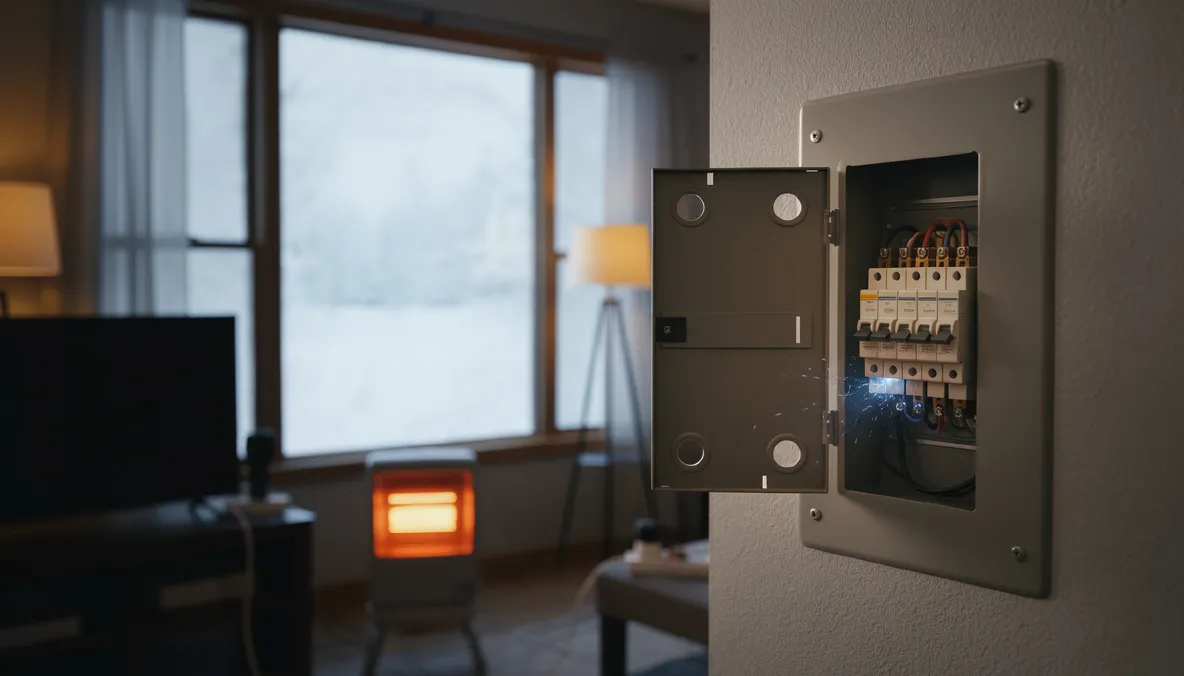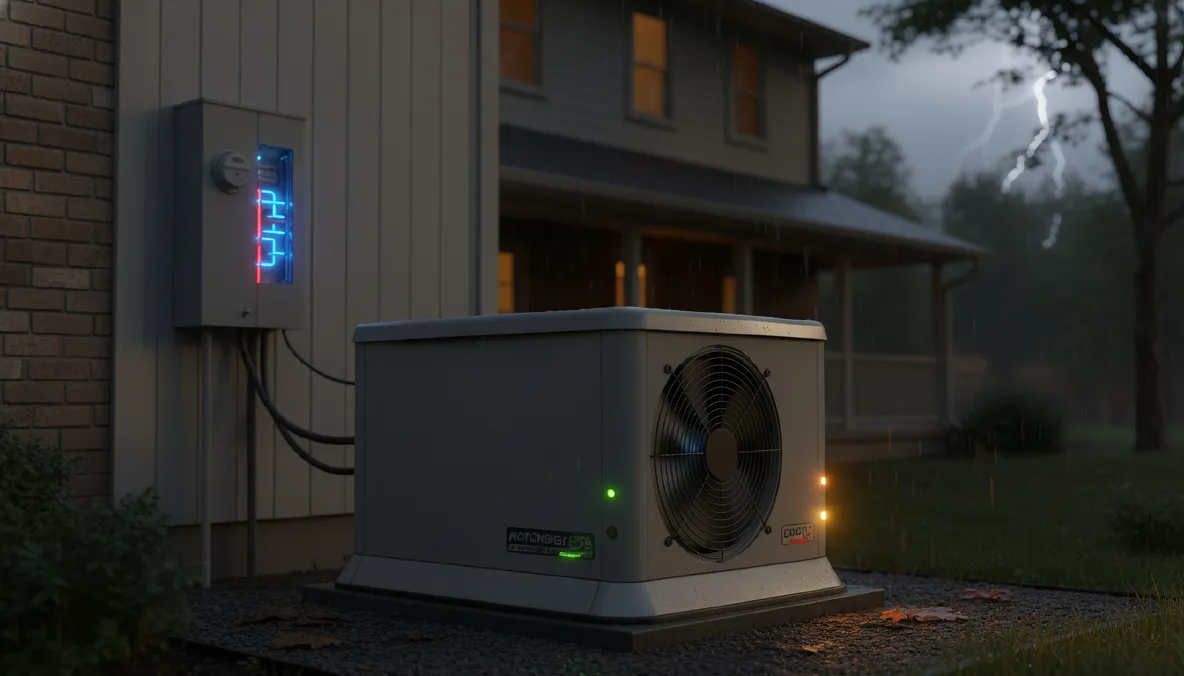

Power strips are safe when used correctly, but misuse can quickly turn them into a fire risk. The key is knowing what to plug in, what to avoid, and how to manage electrical load in your home.
If you live in Eau Claire, Chippewa Falls, or Menomonie, chances are your home relies on multiple devices daily. From kitchen appliances to office setups, power strips often carry more responsibility than they should. That’s why understanding proper use matters
Table of Contents
Surge Protector and Power Strip Safety
A lot of people assume all power strips are the same. They’re not.
A basic power strip simply expands the number of outlets. A surge protector, on the other hand, helps protect your devices from voltage spikes. That difference matters when you’re plugging in expensive electronics.
The conversation around Surge protector vs power strip comes down to protection versus convenience. If you’re running a TV, computer, or gaming system, you want surge protection. If it’s just a lamp or phone charger, a standard strip works.
Many homeowners ask, “Are power strips safe?” The answer depends on how you use them. Used within limits and with the right devices, they’re perfectly fine. Overloaded or misused, they become one of the most common causes of electrical hazards in homes.
If you’re unsure, local experts like Meyers Electric can help assess your setup and recommend safer alternatives through professional electrical services.
6 Things You Shouldn’t Plug Into a Power Strip
This is where most problems start. Certain appliances draw too much power and should always go directly into a wall outlet one of the most important electrical safety best practices every homeowner should follow.
1. Refrigerators
Refrigerators constantly cycle on and off to maintain temperature, which creates repeated power surges. They need a stable, dedicated outlet to operate efficiently. Plugging one into a power strip can lead to overheating, reduced performance, and potential damage to both the appliance and the strip.
2. Microwaves
Microwaves draw a high amount of power in short bursts, especially when heating food quickly. Most standard power strips are not built to handle that level of load. Using one can cause the strip to trip, overheat, or fail over time, increasing the risk of electrical hazards.
3. Coffee Makers
Coffee makers may seem harmless, but their internal heating elements require a significant amount of electricity during brewing. This sudden demand can strain a power strip, especially if other devices are plugged in at the same time. It’s safer to plug them directly into a wall outlet.
4. Space Heaters
Space heaters are one of the leading causes of electrical fires when used improperly. They pull a continuous high current that most power strips cannot safely support. Even surge protectors are not designed for this level of demand, making direct wall outlets the only safe option.
5. Toasters
Toasters use intense heat over short periods, which means they draw a large amount of electricity quickly. This spike can overload a power strip, particularly if it’s already in use by other devices. Repeated use in a strip can weaken it and create hidden fire risks.
6. Air Conditioners
Air conditioners, whether window or portable units, require a dedicated circuit due to their heavy and continuous power usage. Plugging them into a power strip can lead to overheating, tripped breakers, or even permanent damage. These appliances should always be connected directly to a properly rated wall outlet.
If you’re wondering about a Power Strip Surge Protector, it still doesn’t make these appliances safe to plug in. Surge protection does not reduce the power demand of a device.
Power Strip Safety Dos and Don’ts
Let’s keep this simple and practical.
Do:
- Use power strips with built-in circuit breakers
- Place them in open, ventilated areas
- Check the wattage rating before plugging devices in
- Replace damaged or worn-out strips immediately
- Use surge protectors for sensitive electronics
Don’t:
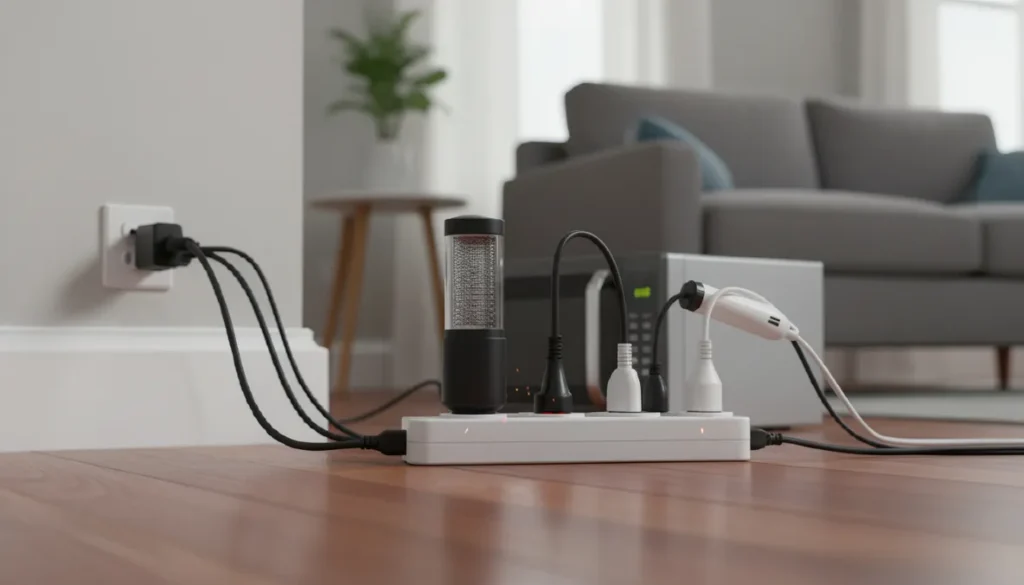
- Overload with too many devices
- Run cords under rugs or furniture
- Plug high-energy appliances into them
- Ignore signs of heat or burning smell
- Daisy chain strips together
This brings up a common question: Can you plug a power strip into another power strip?
No. This practice, often called daisy chaining, increases fire risk and is flagged in Power strip Safety OSHA guidelines as unsafe.
Power Strip Safety Tips Every Homeowner Should Know
Now let’s go beyond the basics and talk about everyday habits that actually make a difference.
Know Your Limits
Every power strip has a maximum load capacity. Exceeding it doesn’t always trip a breaker right away, but it builds heat over time.
Spread Out High-Use Devices
Instead of plugging everything into one strip, distribute devices across multiple wall outlets.
Inspect Regularly
Dust, loose connections, and frayed wires can quietly create hazards.
Keep Away From Moisture
Kitchens and bathrooms are risky places unless you’re using outlets designed for those areas.
Upgrade When Needed
Older homes in Northwestern Wisconsin may not have enough outlets. Instead of relying on multiple strips, consider installing additional outlets.
This is where experienced North Western Wisconsin Electricians come in. They can upgrade your electrical system safely and bring it up to modern standards.
Are Power Strips Safer Than Extension Cords
This is another common comparison.
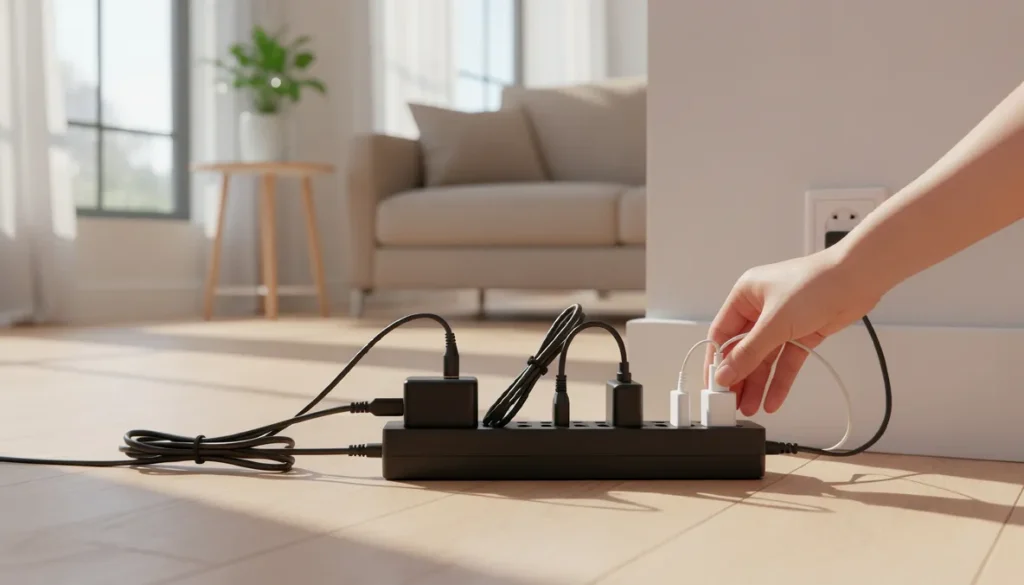
Are power strips safer than extension cords? In general, yes, but only when used correctly.
Power strips often include overload protection, while many extension cords do not. This added safety feature can also help protect your home from power surges when devices draw too much power.
Extension cords are better suited for temporary use. Power strips are designed for more permanent setups like desks or entertainment centers.
Neither should replace proper wiring in your home.
Real Life Example
Think about a typical living room in Northwestern Wisconsin. You might have a TV, sound system, streaming device, and phone chargers all connected.
That’s fine if you’re using a quality surge protector and staying within limits. But if you add a space heater into that same strip during winter, you’ve just crossed into dangerous territory.
It’s not about avoiding power strips. It’s about using them with awareness.
When to Call a Professional
If your home constantly relies on power strips, it may be time to rethink your electrical setup.
Signs you should consider professional help:
- Frequent breaker trips
- Not enough wall outlets
- Warm or discolored outlets
- Heavy reliance on extension cords
A licensed electrical safety inspection service can add circuits, install outlets, and reduce your dependency on temporary solutions.
FAQs
Are power strips safe for everyday use?
Yes, they are safe when used within their rated capacity and for the right devices. Problems usually come from overloading or using them with high-power appliances.
Can you plug a power strip into another power strip?
No, this creates a higher risk of overheating and fire. It is considered unsafe and should always be avoided in residential setups.
What is the difference between a surge protector and a power strip?
A surge protector defends against voltage spikes, while a power strip simply provides extra outlets. For electronics, surge protection is the better choice.
How do I know if my power strip is overloaded?
If it feels warm, trips frequently, or has too many devices plugged in, it’s likely overloaded. Reducing the load helps prevent damage.
Can power strips cause fires?
Yes, power strips can cause fires if they are overloaded, damaged, or used with high-power appliances like heaters or microwaves. Most fire risks come from improper use rather than the strip itself, so following basic safety practices greatly reduces the danger.
Conclusion
Power strips are part of daily life in most homes, but they’re often used without much thought. A few small changes in how you use them can prevent serious issues.
Stick to the basics. Avoid plugging in high-demand appliances. Don’t overload. Use surge protection where it matters.
If your home setup feels stretched, it probably is. Upgrading your electrical system is a smarter long-term solution than stacking power strips across every room.
And if you ever feel unsure, getting expert advice is always the safer move.