
Yes, you need both GFCI and AFCI protection to meet modern safety codes (NEC) and ensure home safety.
Table of Contents
Do You Need GFCI or AFCI Protection?
GFCI protects people from fatal electric shocks in wet areas (kitchens, baths, outdoors), while AFCI prevents electrical fires by detecting dangerous arc faults in wiring for living spaces (bedrooms, living rooms).
If you are building, remodeling, or upgrading an older home in Rice Lake or surrounding areas like Ladysmith, Shell Lake, Spooner, or Hayward, code likely requires one or both in specific locations. The real question is not whether you need them, but where you need them and why.
Electrical safety is not optional. It is built into today’s standards through the National Electrical Code and enforced locally across North Western Wisconsin electricians’ service areas. Let’s break it down in simple terms so you know exactly what protects your home and family.
What Is GFCI Protection?
A Ground Fault Circuit Interrupter (GFCI) monitors the flow of electricity to keep you safe from shocks. If it detects even a small imbalance between the hot and neutral wires, it shuts power off instantly.
If you’re wondering what is a GFCI outlet, it’s a specialized safety device designed to prevent electrical hazards by cutting off power the moment it senses current flowing where it shouldn’t.
This imbalance usually means electricity is flowing somewhere it should not through water, metal, or even a person. Bathrooms, kitchens, garages, crawl spaces, unfinished basements, and outdoor outlets are the most common places where GFCI protection is required.
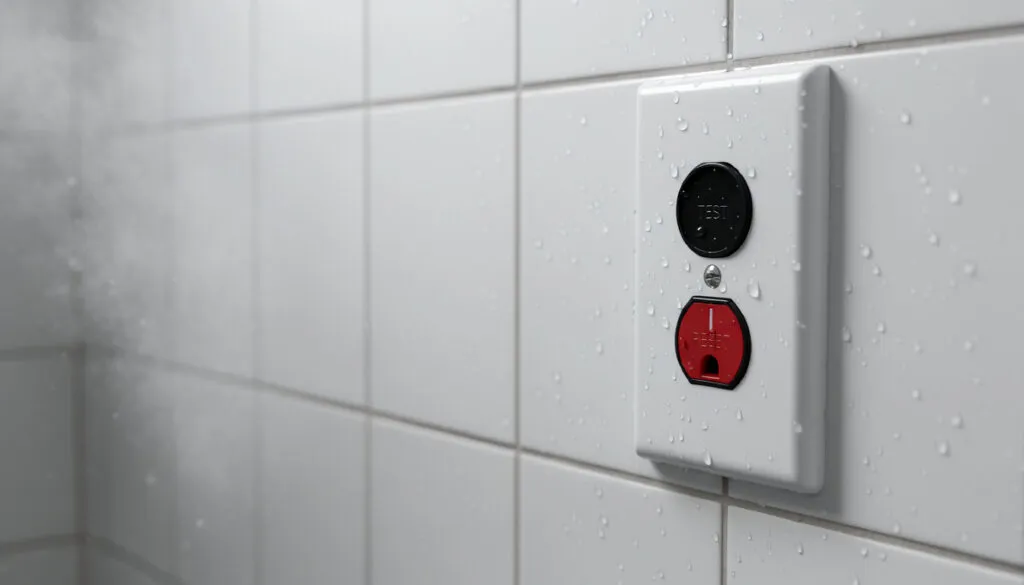
In plain language, GFCI devices protect people from shock. You will often see them as outlets with test and reset buttons. They can also be installed in the breaker panel.
Why GFCI Matters in Wisconsin
Homes in Rice Lake and nearby communities deal with moisture, snow, ice, and seasonal humidity. Outdoor receptacles, sump pumps, and garage circuits are especially exposed. Water and electricity do not mix, which is why GFCI protection is critical in these environments.
If you live near Shell Lake or Hayward, lake properties and cabins are even more dependent on proper grounding and moisture protection.
What Is AFCI Protection?
An Arc Fault Circuit Interrupter works differently. It looks for dangerous arcing conditions inside wiring.
Arcing happens when damaged wires, loose connections, or deteriorated insulation allow electricity to jump between conductors. This can generate extreme heat and ignite surrounding materials.
AFCI devices are designed to prevent electrical fires.
They are typically required in bedrooms, living rooms, hallways, and other general living areas. Modern codes often require them in nearly all habitable rooms.
Why Modern Homes Need Both
GFCI protects people from shock.
AFCI protects homes from fire.
They are not interchangeable. One does not replace the other. Many circuits today require dual function breakers that provide both types of protection in one device.
If your home was built before the early 2000s, it likely does not meet current standards. Electrical codes have evolved to address real world fire and injury data.
When homeowners in Spooner or Ladysmith update kitchens, finish basements, or remodel bathrooms, inspectors often require upgrades to meet current code requirements.
Where Is Each Required?
Here is a practical breakdown based on current code standards followed across Wisconsin municipalities.
GFCI Locations
- Bathrooms
- Kitchens near sinks
- Laundry areas
- Garages
- Outdoor outlets
- Unfinished basements
- Crawl spaces
AFCI Locations
- Bedrooms
- Living rooms
- Dining rooms
- Family rooms
- Hallways
- Closets
In many new installations, breakers inside the panel now combine both protections for certain circuits.
How to Tell What You Have
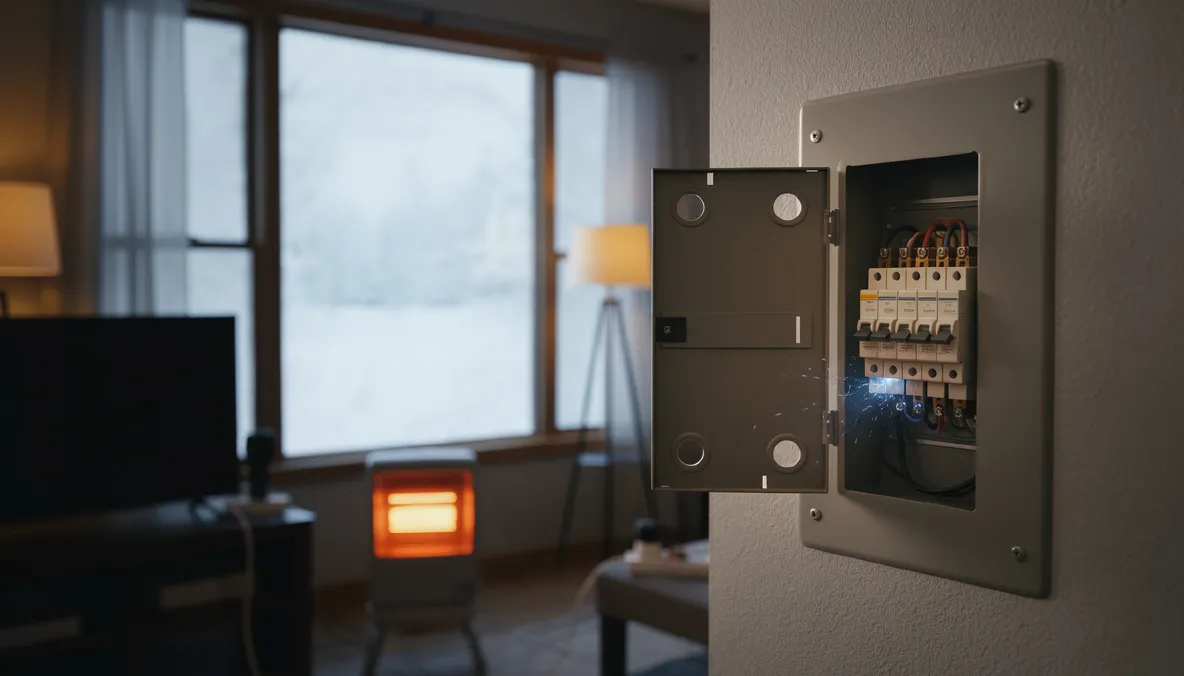
Open your electrical panel and look at the breakers. Dual function breakers are usually labeled accordingly. GFCI outlets are easy to identify by their test and reset buttons.
However, identifying protection is not always straightforward. Some homes have protection upstream at the breaker instead of the outlet.
If you are unsure, a licensed electrician can inspect the panel, trace circuits, and identify potential hazards before they become serious issues.
Common Misconceptions
My Breaker Never Trips So I Must Be Safe
Not necessarily. Standard breakers protect against overload and short circuits. They do not detect ground faults or dangerous arcs.
I Only Need Protection in Wet Areas
That used to be partially true. Modern data shows many house fires start in living areas due to arc faults. That is why AFCI requirements expanded.
It Is Just a Code Requirement
Electrical codes exist because of injury and fire statistics. These protections were added after repeated incidents demonstrated the need.
Older Homes in North Western Wisconsin
Many properties in Rice Lake and surrounding communities were built decades ago. Cabins near Hayward or Shell Lake may have outdated panels, aluminum wiring, or minimal protection.
Upgrading panels during renovations is often the best time to install proper protection, following modern electrical safety recommendations. It is more cost effective than retrofitting later.
A professional inspection can also determine whether your system needs updates beyond GFCI and AFCI, including GFCI and AFCI protection upgrades, grounding corrections, or surge protection systems to guard appliances from voltage spikes.
What About Surge Protection?
While GFCI and AFCI handle shock and fire risks, surge protection systems defend electronics and appliances from power surges.
Lightning strikes, utility switching, and generator transitions can damage HVAC units, refrigerators, and computers. Whole house surge devices installed at the panel offer broad protection.
For homeowners in Ladysmith or Spooner who rely on well pumps or sensitive electronics, surge protection is often recommended alongside breaker upgrades.
When Should You Upgrade?
Consider an evaluation if:
- Your home is over 20 years old
- You are finishing a basement
- You are remodeling a kitchen or bathroom
- You experience nuisance tripping
- You recently purchased an older property
Electrical systems age quietly. Wires loosen. Insulation degrades. Devices wear out. Prevention is far less expensive than repair after a fire or injury.
If you are unsure about your home’s safety, contact a trusted local electrician. Homeowners in Rice Lake often call Meyers Electric for inspections and panel upgrades. You can reach them at 715-234-3901 to schedule an evaluation.
Cost Considerations
Upgrading individual outlets is relatively affordable. Panel upgrades with dual function breakers require more investment but significantly improve safety.
The cost depends on panel capacity, wiring condition, and circuit configuration. A professional assessment provides clarity and avoids guesswork.
Keep in mind that insurance companies increasingly look at electrical systems when underwriting policies. Modern protection can improve insurability and peace of mind.
Real World Example
A homeowner in Hayward renovated a lake cabin kitchen. During inspection, outdated wiring and missing protection were discovered. Installing proper devices and choosing to install GFCI outlets professionally prevented potential shock risks near the sink and reduced fire risk in living areas.
Small upgrades often prevent major consequences.
FAQs
Do I need both GFCI and AFCI in the same circuit?
Yes, in many modern installations both are required depending on the room and application. Dual function breakers provide combined protection where code mandates both types.
Can I replace outlets myself?
While technically possible, electrical work carries risk. Improper wiring can defeat the protection entirely and create new hazards.
Why does my breaker trip randomly?
Frequent tripping may indicate wiring problems, overloaded circuits, or arc detection doing its job. An electrician should evaluate the system rather than simply resetting it repeatedly.
Are older homes grandfathered in?
Existing homes are not always forced to upgrade immediately. However, renovations typically trigger compliance with current code standards.
Conclusion
If you are asking whether you need GFCI or AFCI protection, the answer is almost certainly yes. These devices protect against two very different dangers, shock and fire.
Homes across Rice Lake, Ladysmith, Shell Lake, Spooner, and Hayward benefit from modern electrical safeguards that align with today’s standards.
Electrical safety is not about passing inspection. It is about protecting people, property, and peace of mind. A professional evaluation ensures your home meets current requirements and identifies potential hazards before they escalate into emergencies.