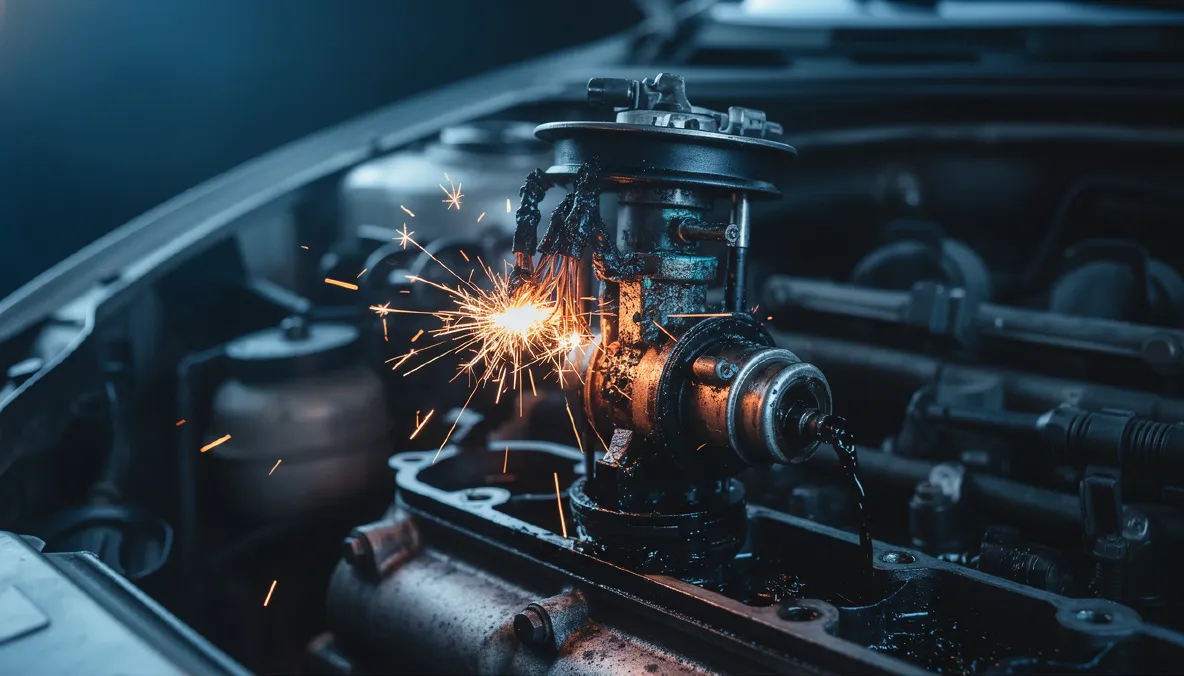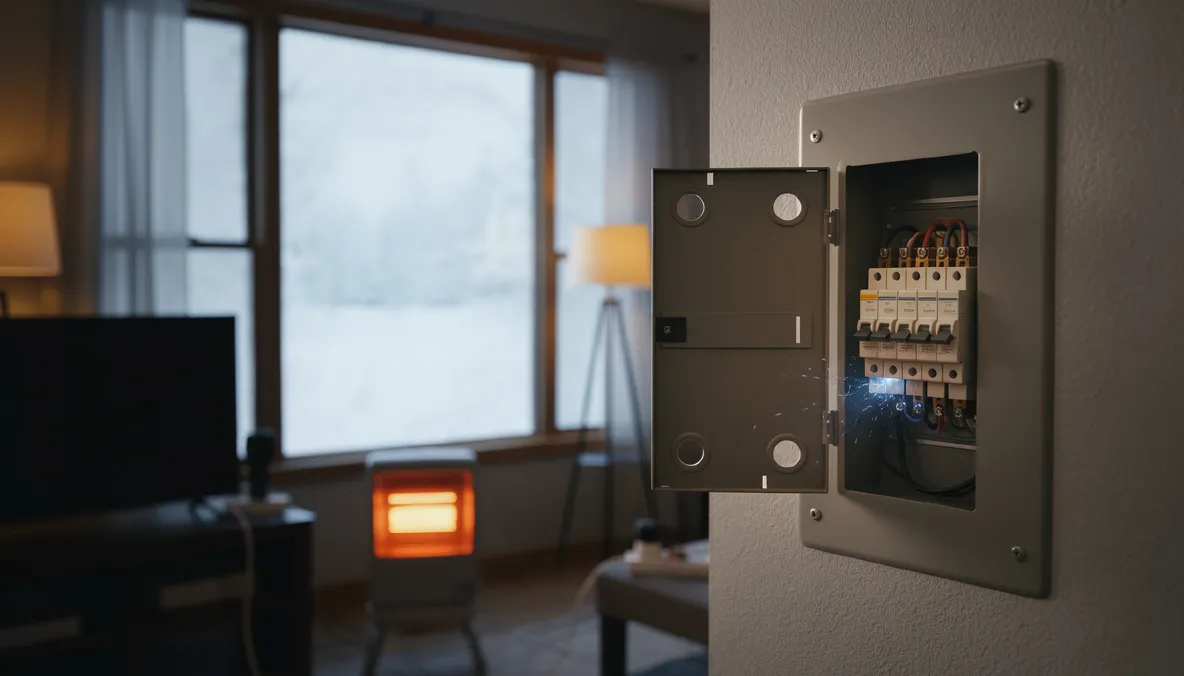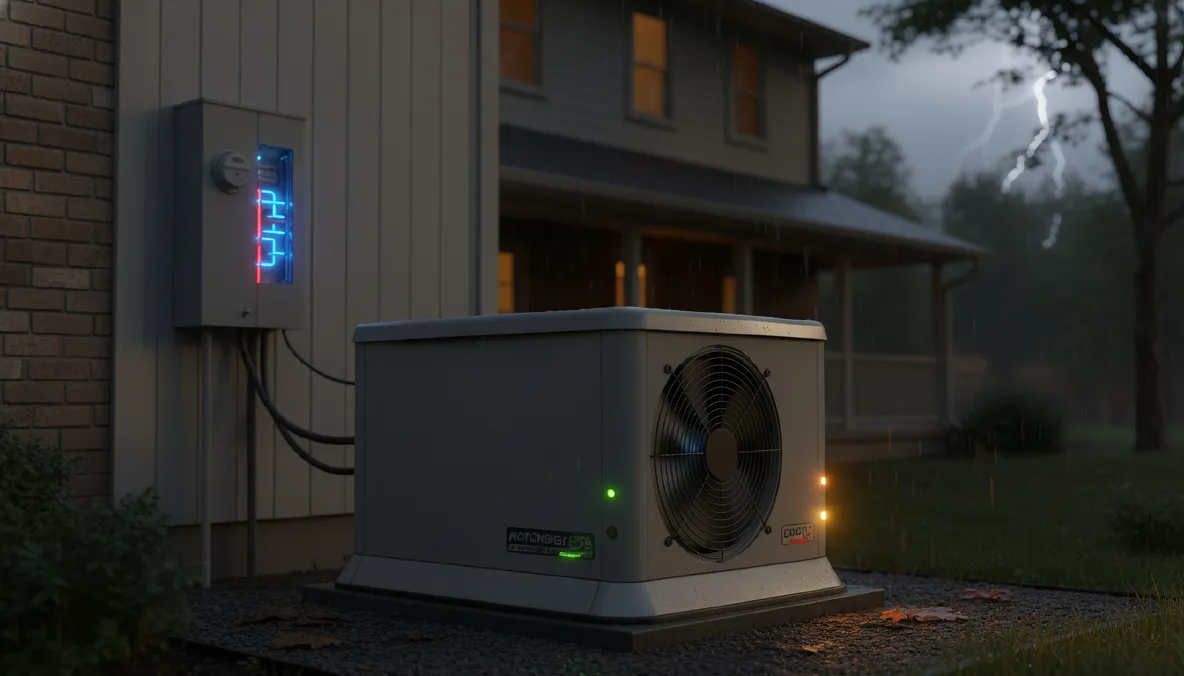

A generator stator failure usually happens due to overheating, insulation breakdown, moisture intrusion, or electrical overload. These issues weaken the stator windings over time, leading to short circuits, reduced output, or complete generator shutdown. If ignored, small warning signs can quickly turn into expensive repairs.
Table of Contents
Reasons behind the Causes of Generator Failure
A generator does not fail all at once. It wears down gradually, and the stator often takes the hit first because it handles the electrical output continuously. The stator is made of copper windings wrapped in insulation. When something interferes with that setup, failure begins.
Here are the most common causes:
1. Heat buildup inside the generator
Heat is the number one enemy. Poor ventilation, clogged filters, or overloading the generator can raise internal temperatures. Once insulation starts melting, stator windings lose protection.
2. Electrical overload
Running too many appliances or exceeding rated capacity strains the stator. This leads to insulation stress and eventually a short circuit.
3. Moisture and contamination
Water, humidity, and dust can seep into the stator windings. This weakens insulation and promotes corrosion. In places like Webster, Cameron, and Minong, seasonal humidity can make this worse if generators are not stored properly.
4. Poor maintenance
Skipping inspections allows small faults to grow. Loose connections or worn components can create uneven current flow.
5. Aging insulation
Even without heavy use, insulation degrades over time. Older generators are more likely to suffer stator issues.
8 Common Reasons Generators Stop Working and How to Fix It
A failing stator is just one part of the bigger picture. Generators stop working for several practical reasons—many of which are preventable with proper maintenance and timely inspections.
1. Fuel problems
Old or contaminated fuel leads to poor combustion and inconsistent engine performance. Over time, fuel can degrade or collect moisture, which directly affects efficiency. To avoid this, replace fuel regularly, use stabilizers when needed, and clean the tank to prevent buildup.
2. Battery failure
If the electric start is not working on generator units, the battery is often the culprit. Weak or corroded connections, low charge levels, or aging batteries can prevent startup. Regularly check battery voltage, clean terminals, and replace batteries when performance drops.
3. Dirty air filters
Restricted airflow impacts both combustion and cooling efficiency. A clogged air filter forces the engine to work harder, increasing wear and reducing output. Clean or replace filters frequently, especially in dusty or outdoor environments.
4. Oil issues
Low or degraded oil can trigger automatic shutdown systems designed to protect the engine. Poor lubrication also increases friction and internal wear. Always monitor oil levels, follow recommended oil change intervals, and use the correct oil grade.
5. Spark plug wear
Worn or fouled spark plugs reduce ignition efficiency, leading to rough starts or complete failure to run. Regular inspection and replacement of spark plugs ensure consistent ignition and smooth operation.
6. Control panel faults
Modern generators rely on control panels with sensors and wiring to regulate performance. Faulty connections, damaged wiring, or sensor errors can lead to unexpected shutdowns or inaccurate readings. Routine inspection helps catch these issues early.
7. Stator winding damage
When the stator fails, power output drops significantly or stops entirely. This issue often develops due to overheating, insulation breakdown, or prolonged stress on the system. In most cases, stator problems require professional diagnosis and repair.
8. Generator power surge issues
Sudden spikes in electrical load or unstable connections can lead to generator power surge issues, putting stress on internal components and reducing overall lifespan. These surges can damage sensitive electronics, affect voltage regulation, and even contribute to stator failure.
Installing proper surge protection, maintaining stable load distribution, and regularly checking wiring can help prevent these problems. By understanding these common causes and addressing them proactively, you can extend the life of your generator, improve reliability, and avoid costly breakdowns when you need power the most.
If you are wondering how to fix a generator, start with basic checks like fuel, oil, and battery before moving to electrical diagnostics.
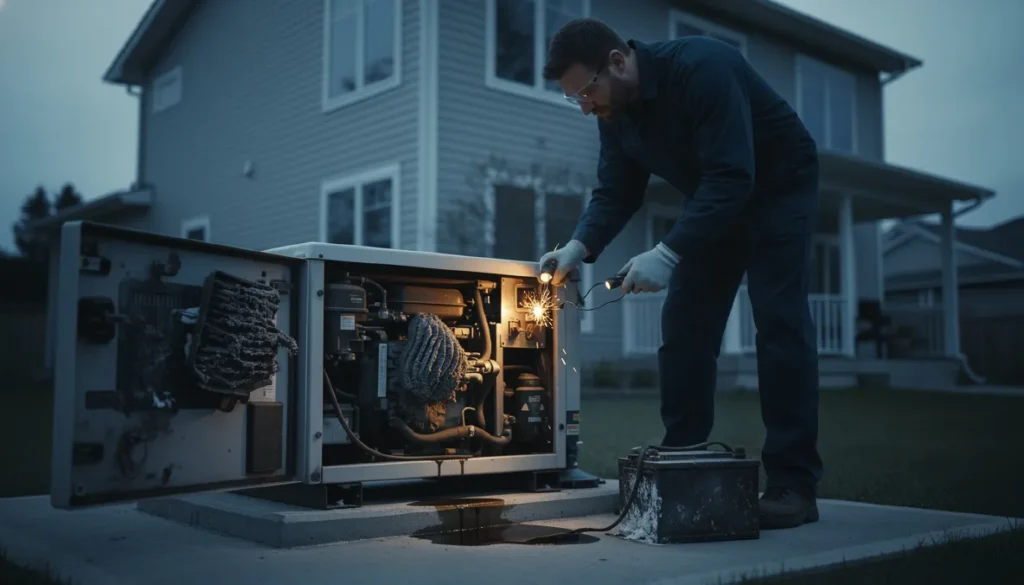
Emergency Generator Inspection: 7 Reasons Generators Fail
When a generator suddenly stops working, time matters. Emergency inspections usually reveal one of these issues:
1. Sudden overload
Connecting heavy equipment can instantly stress the stator.
2. Short circuits
Damaged wiring or insulation can cause immediate failure.
3. Moisture exposure
Rain or flooding can lead to internal electrical faults.
4. Mechanical wear
Bearings and rotating parts can fail and affect electrical output.
5. Voltage regulator issues
If voltage spikes or drops, the stator suffers long term damage.
6. Lack of routine servicing
Skipping inspections often leads to unexpected breakdowns.
7. Improper storage
Generators stored in damp or dusty environments degrade faster.
In North Western Wisconsin, electricians often see emergency calls tied to seasonal use where generators sit unused for months and then fail when needed most.
Generator Failure Top Reasons Why They Fail
Let’s look at the bigger picture of why generators fail over time.
Environmental stress
Extreme cold or heat impacts performance. In areas like Rice Lake and surrounding communities, winter conditions can make starting difficult.
Poor installation
Improper wiring or grounding can create long term electrical issues.
Inconsistent usage
Generators that are rarely used tend to develop fuel and battery issues.
Low quality components
Cheaper models may have weaker insulation in stator windings.
Ignored warning signs
Strange noises, fluctuating power, or overheating are early signs that should not be ignored.
A Generator broken situation rarely comes out of nowhere. There are always clues.
Top 5 Reasons Your Generator Might Fail to Start
Starting problems are one of the most common complaints with generator systems, especially when they are not maintained regularly or rely heavily on automated features like an automatic generator start system.
1. Dead battery
This is especially common in standby units that depend on an automatic generator start system to kick in during outages. If your generator fails to start when the electricity goes out, the battery is often the first thing to check, as it powers the entire startup sequence.
2. Fuel blockage
Clogged fuel lines, dirty filters, or stale fuel can prevent proper ignition. Even with an automatic generator start system in place, restricted fuel flow will stop the generator from firing up efficiently.
3. Faulty starter motor
Over time, wear and tear can damage the starter motor, making it difficult or impossible for the engine to turn over. This issue often becomes noticeable when the automatic generator start system attempts to engage but the engine doesn’t respond.
4. Low oil shutdown
Many modern generators include built-in safety mechanisms that prevent the engine from starting when oil levels are too low. While this protects the engine, it can interrupt the automatic generator start system and leave you without backup power until the oil is refilled.
5. Cold weather impact
In colder regions like Minong or Cameron, low temperatures can thicken fuel and reduce battery performance. This makes it harder for both manual starts and automatic generator start systems to function properly without winter-grade fuel or battery warmers.
If you are dealing with a diesel generator that fails to start, fuel quality and glow plugs are often the main factors. Poor fuel or faulty glow plugs can prevent combustion, even if the automatic generator start system is working correctly.
Common Performance Issue: Generator runs for 30 minutes then dies
This is a frustrating problem and often points to overheating or fuel delivery issues.
Possible causes include:
- Blocked air filters causing heat buildup
- Fuel tank vent blockage
- Faulty ignition coil
- Overloaded circuits
When a generator runs for 30 minutes then dies, it is often protecting itself from damage.
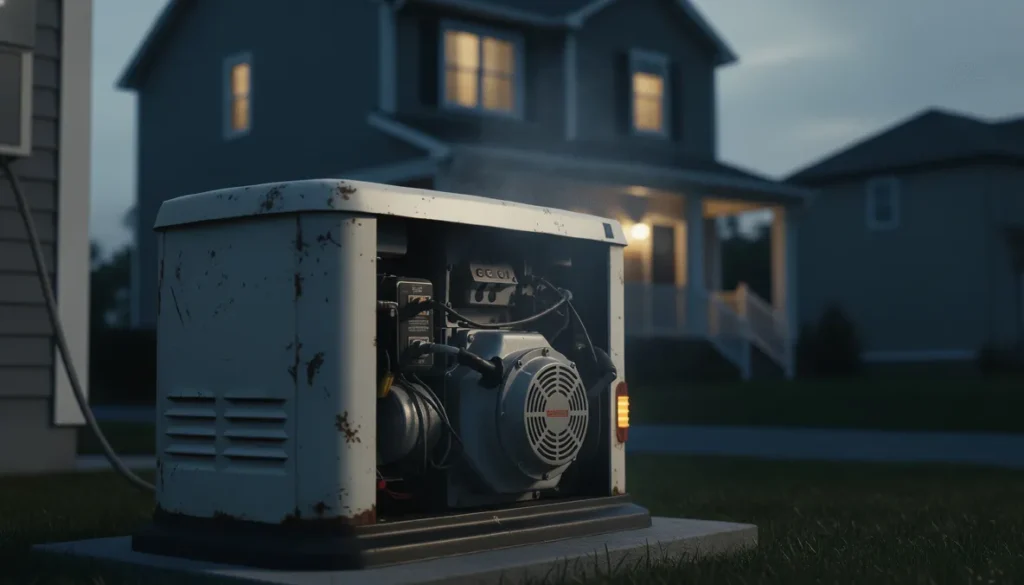
Cummins generator common problems
Many homeowners use Cummins systems, and while reliable, they do have recurring issues:
- Battery drain over time
- Sensor malfunctions
- Oil level shutdown triggers
- Wiring connection faults
Regular servicing helps avoid these problems.
When to Call Professional Help
There is a point where DIY troubleshooting is not enough. Electrical components like stators require proper tools and expertise.
If you notice:
- Burning smell
- No power output
- Frequent shutdowns
- Visible wire damage
It is time to call for electrician services and check generator repair costs.
If you have ever searched for an electrician near me, you already know how important quick response is. In Webster, Cameron, Minong, and across North Western Wisconsin, reliable electrical service matters when power issues arise.
For professional help, Meyers Electric in Rice Lake provides support for both residential and backup generator systems. You can reach them at 715-234-3901 for inspections and repairs.
FAQs
What are the early signs of generator stator failure?
You may notice reduced power output, overheating, or unusual smells. These signs often appear before complete failure and should not be ignored.
Can a generator stator be repaired or replaced?
Yes, in many cases the stator can be rewound or replaced. However, the cost depends on the generator size and extent of damage.
Why does my generator shut off after running for a while?
This usually points to overheating, fuel issues, or airflow problems. It is a protective shutdown to prevent internal damage.
How often should a generator be serviced?
Routine servicing every 6 to 12 months keeps components like the stator in good condition. Frequent use may require more regular checks.
Conclusion
Generator stator failure is not random. It builds over time through heat, moisture, overload, and lack of maintenance. The good news is that most of these causes are preventable.
Regular inspections, proper storage, and timely repairs go a long way. Whether you are dealing with startup issues, sudden shutdowns, or declining performance, early action can save you from major costs.
If your generator is showing signs of trouble, do not wait. A quick check today can prevent a full breakdown tomorrow.