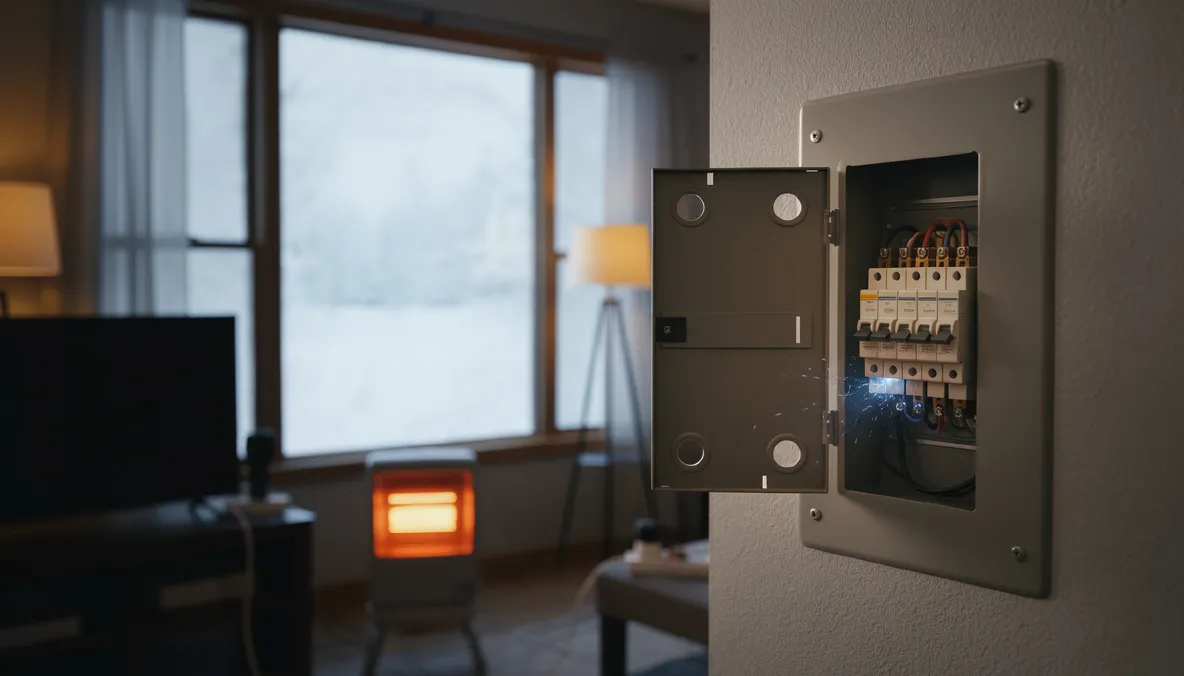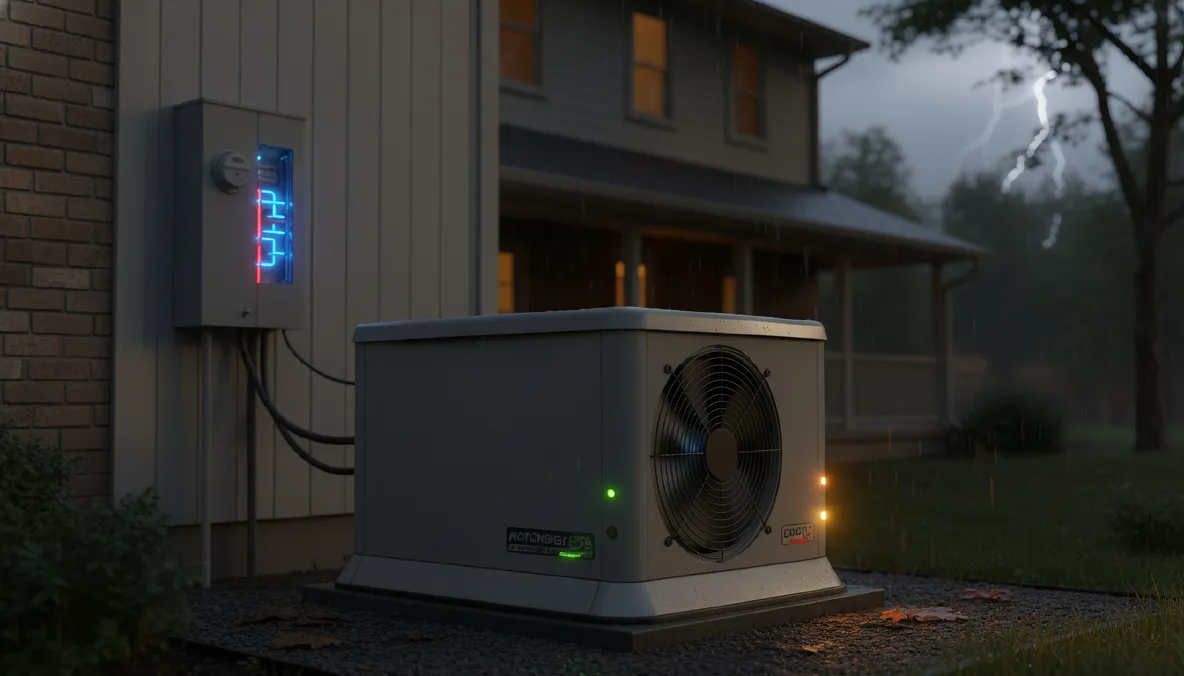

Tips for Retrofit Project improves existing systems without starting from scratch, but success depends on planning, safety, and understanding your building’s current condition before making changes.
Table of Contents
Tips for Retrofit Project
Whether you are upgrading electrical systems in a commercial facility or modernizing agricultural infrastructure around Rice Lake and nearby areas, the decisions you make early will define your long term results.
Property owners across Siren, Webster, Cameron, and Minong often approach retrofits with one goal in mind: better performance without unnecessary disruption. The reality is that thoughtful preparation makes that goal achievable.
1. Understand the Purpose of Your Retrofit Project
Every Retrofit Project starts with a reason. It might be energy efficiency, compliance with updated electrical codes, or simply replacing outdated systems that no longer support your operations.
Be specific. Are you trying to reduce downtime, improve commercial lighting systems, or support new equipment? When your purpose is clear, it becomes easier to make smart decisions about scope, budget, and timeline.
Avoid vague goals. A retrofit without a defined objective often leads to unnecessary costs and inconsistent results.
2. Evaluate Existing Electrical Infrastructure
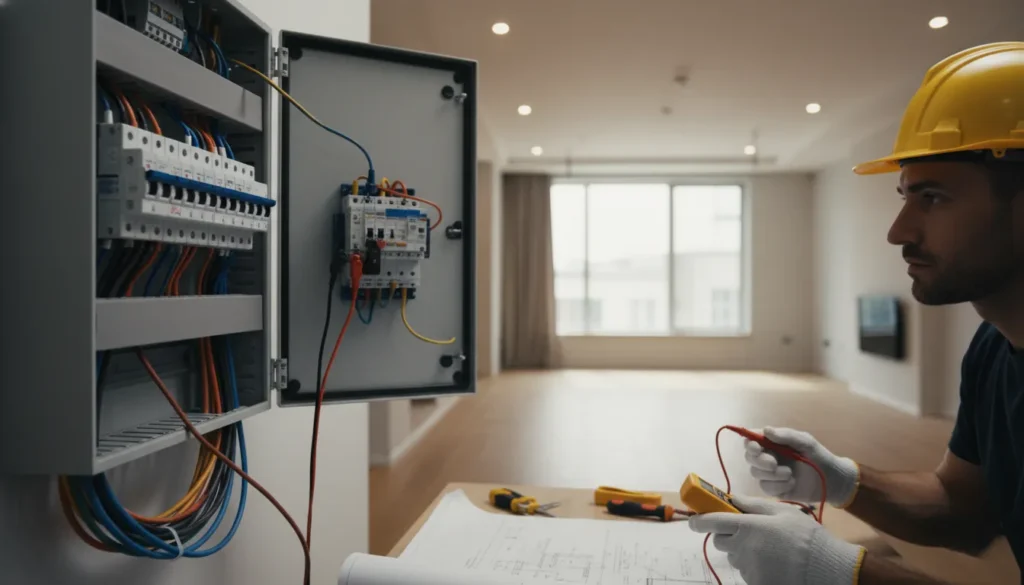
Before making upgrades, you need a full understanding of what already exists. This includes wiring conditions, panel capacity, load distribution, and system age.
Older buildings in Northwestern Wisconsin often come with hidden limitations that aren’t immediately visible. While systems may appear functional on the surface, they’re frequently not designed to handle modern electrical loads, advanced appliances, or today’s technology-driven needs.
This gap between appearance and actual capability can lead to inefficiencies, unexpected failures, and difficulty in maintaining consistent performance. Upgrading and properly assessing these systems is essential to ensure system uptime, improve safety, and support the demands of contemporary usage without disruption.
This is where experienced assessments matter. Many property owners search for Industrial electricians near me when they realize their systems need a professional evaluation. A detailed inspection prevents surprises once the work begins.
3. Plan for Code Compliance and Safety
Electrical codes evolve for a reason. Safety standards improve, and retrofit work must align with the latest regulations.
Ignoring compliance can result in failed inspections, delays, or costly rework. More importantly, it can put people and property at risk.
A retrofit should always prioritize:
- Proper grounding and bonding
- Updated circuit protection
- Safe load distribution
- Fire prevention measures
Safety is not an upgrade. It is a requirement.
4. Budget Beyond the Obvious Costs
Many retrofit plans underestimate the real cost. It is not just materials and labor. You also need to consider:
- Downtime or operational interruptions
- Temporary system setups
- Permits and inspections
- Unexpected repairs
Buildings rarely reveal everything upfront. Allocating contingency funds helps you stay in control when adjustments are needed.
A realistic budget protects your project from unnecessary stress.
5. Minimize Operational Disruption
For businesses, downtime is expensive. Whether you run a manufacturing facility or manage agricultural operations near Cameron or Minong, you cannot afford long interruptions.
A well planned retrofit should include:
- Phased implementation
- Off hour work scheduling
- Temporary power solutions
The goal is simple. Keep your operations moving while improvements are being made.
6. Consider Energy Efficiency and Long Term Savings
Retrofitting is not just about fixing what is outdated. It is an opportunity to improve efficiency.
Upgrading lighting systems, optimizing electrical loads, and integrating modern equipment can reduce long term costs. Energy efficient systems often pay for themselves over time.
If your current setup is consuming more power than necessary, a retrofit can significantly improve performance while lowering monthly expenses.
7. Choose the Right Professionals
Not all electricians handle retrofit work at the same level. Retrofitting requires experience with existing systems, not just new installations.
Property owners across Siren and Webster often rely on trusted industrial electrician services to handle complex upgrades safely and efficiently.
The right team will:
- Identify potential issues early
- Provide clear recommendations
- Work within your operational constraints
- Deliver code compliant results
Working with experienced professionals reduces risk and improves overall project quality.
8. Plan for Future Expansion
A retrofit should not only solve today’s problems. It should prepare you for tomorrow.
If your business grows or your equipment needs change, your electrical system should be ready to support that growth.
Consider:
- Additional panel capacity
- Flexible wiring layouts
- Scalable infrastructure
Planning ahead prevents the need for another major upgrade in the near future.

9. Communication and Project Coordination
One of the most overlooked aspects of a retrofit is communication. Clear coordination between property owners, contractors, and technicians ensures smooth execution.
You should always know:
- What work is being done
- When it will happen
- How it affects your operations
Strong communication keeps everyone aligned and reduces delays.
If you need guidance or want to discuss your specific needs, you can reach out at 715-234-3901 to get clarity before moving forward.
Local Insight for Northwestern Wisconsin Properties
Buildings in Rice Lake and surrounding communities like Siren, Webster, Cameron, and Minong often come with unique challenges. Weather conditions, older infrastructure, and varied usage types all play a role in how retrofit projects are approached.
Working with a local team like Meyers Electric ensures your project is handled with an understanding of regional requirements and real world conditions. That local expertise often makes the difference between a smooth upgrade and a complicated one.
Common Mistakes to Avoid
Even well planned projects can go off track if certain details are overlooked.
Here are a few mistakes to avoid:
- Skipping initial system assessments
- Underestimating costs
- Ignoring code requirements
- Hiring based on price alone
- Failing to plan for future needs
Avoiding these pitfalls keeps your retrofit efficient and predictable.
FAQs
What is the main benefit of a retrofit project?
A retrofit project improves existing systems without full replacement, saving time and cost. It also enhances performance while keeping disruption minimal.
How long does a retrofit project usually take?
The timeline depends on the size and complexity of the system. Smaller upgrades may take days, while larger industrial retrofits can take several weeks with phased execution.
Do I need permits for retrofit work?
Yes, most electrical retrofit projects require permits and inspections. This ensures compliance with safety standards and local regulations.
Can a retrofit reduce energy costs?
Absolutely. Upgrading outdated systems often leads to improved efficiency, which lowers long term energy consumption and operating expenses.
How do I know if my building needs a retrofit?
If your system struggles with load demand, shows signs of wear, or does not meet current codes, it is likely time to consider a retrofit.
Conclusion
A retrofit project is not just an upgrade. It is a strategic decision that impacts safety, efficiency, and long term performance. By understanding your goals, evaluating existing systems, and working with experienced professionals, you can approach your retrofit with confidence.
For property owners across Northwestern Wisconsin, the right preparation turns a complex process into a controlled and successful improvement. When done right, a retrofit does more than fix problems. It builds a stronger foundation for everything that comes next.