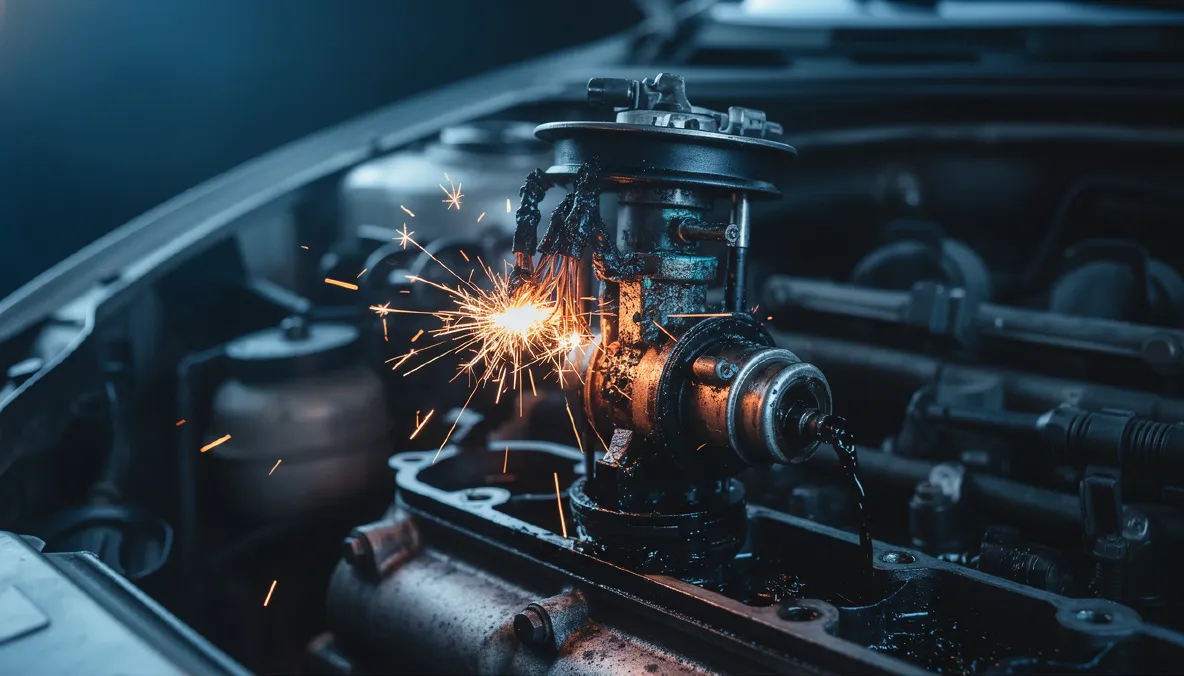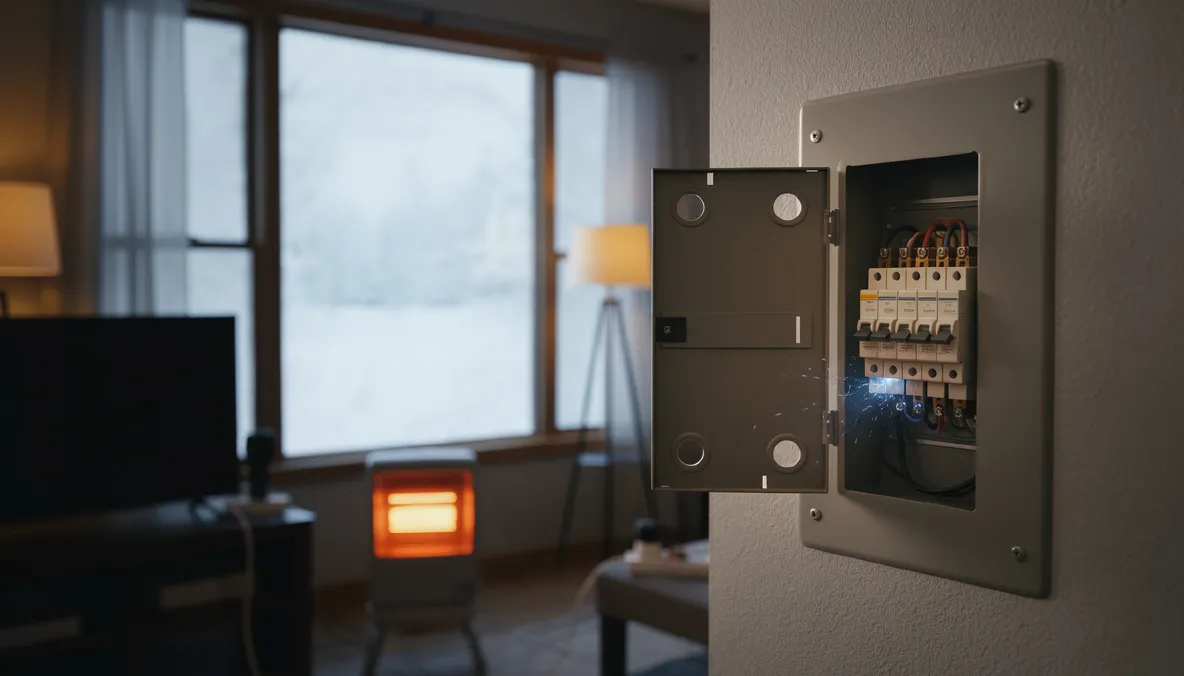

A failing Industrial Control Panel often shows warning signs long before a full breakdown occurs. If you notice frequent electrical faults, overheating components, outdated equipment, or increasing maintenance costs, it may be time for a replacement rather than another repair.
Recognizing these signals early helps prevent equipment damage, production delays, and potential safety hazards.
Table of Contents
7 Signs Your Industrial Control Panel Needs Replacing
Industrial facilities rely heavily on control systems to regulate machinery, automate processes, and maintain operational stability. When these panels start aging or malfunctioning, the consequences can ripple across the entire operation.
Production slows, maintenance costs increase, and safety risks become harder to manage.Businesses across Hayward, Chetek, Clear Lake, and Balsam Lake depend on reliable electrical infrastructure to keep operations running smoothly.
For many facilities in Northwestern Wisconsin, control panel reliability directly affects daily productivity.Below are seven practical signs that your control system may be nearing the end of its service life.
Frequent Electrical Failures
One of the clearest signs a control system needs replacement is recurring electrical failure. If breakers trip frequently, relays fail without warning, or machines suddenly shut down, the panel may no longer handle electrical loads properly.
Older systems often struggle with modern industrial demands. As production equipment becomes more advanced, control panels designed decades ago may not deliver the same reliability.
Frequent failures also indicate that components inside the panel are deteriorating. Worn contactors, aging wiring, and weakened terminals can create unstable connections that interrupt power flow.
In many cases, replacing the entire system is more efficient than repeatedly repairing individual components.
Outdated Technology and Components
Industrial technology continues to evolve rapidly, yet many facilities still rely on panels installed twenty or thirty years ago. While these systems may still function, they often lack compatibility with modern automation tools and updated industrial motor control systems, making integration with new technologies challenging and inefficient.
Modern control panels integrate programmable logic controllers, improved monitoring systems, and better safety mechanisms. Upgrading provides better performance, improved diagnostics, and easier maintenance.
For businesses planning long term growth, modernizing control infrastructure can significantly improve operational efficiency.
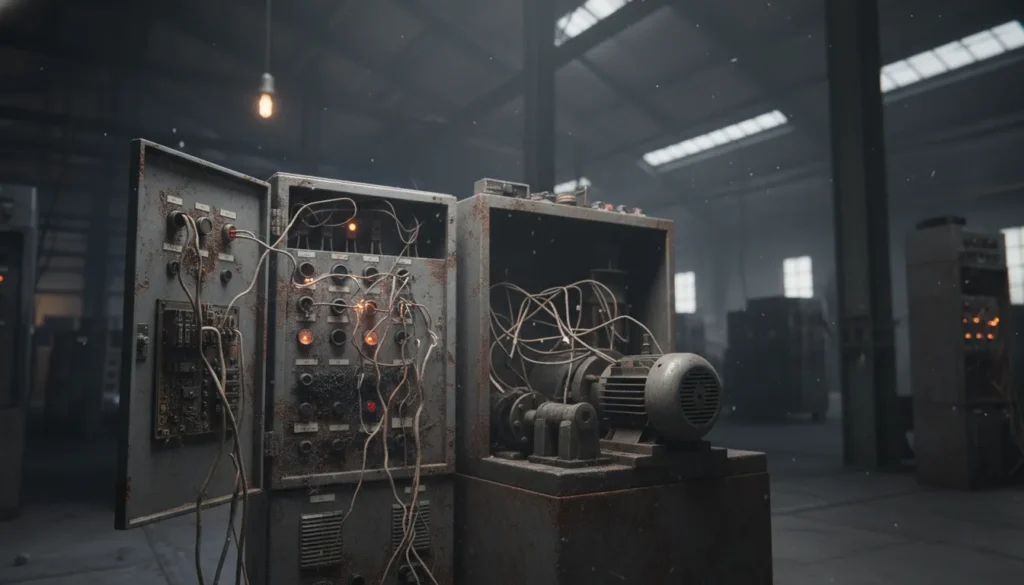
Overheating Inside the Panel
Excess heat inside an electrical enclosure is a serious warning sign. When components operate beyond their safe temperature range, failure becomes inevitable.
Overheating often results from aging wiring, overloaded circuits, poor ventilation, or dust accumulation. Over time, excessive heat degrades insulation, weakens terminals, and shortens component lifespan.
If technicians regularly notice heat damage, discolored wiring, or melted insulation during inspections, the panel may already be approaching critical failure.
Upgrading the system ensures proper load distribution, improved airflow, and modern thermal protection.
Increasing Maintenance Costs
Maintenance is a normal part of any industrial system. However, when repair costs begin rising year after year, it may signal a deeper issue.
Facilities sometimes continue repairing old equipment because replacement seems expensive. Over time, however, constant service visits and replacement parts often cost more than installing a new system.
A new panel reduces ongoing maintenance requirements and increases operational reliability. Modern systems are designed with improved durability and more efficient components that require less frequent servicing.
Businesses in North Western Wisconsin Electricians service areas often find that replacement becomes the most cost effective solution after years of repeated repairs.
Limited System Capacity
Industrial operations rarely stay the same. Production lines expand, new machinery is added, and electrical demand continues to grow over time. As facilities scale, adopting a predictive maintenance approach becomes essential to anticipate system limitations and identify potential issues before they lead to downtime or failures.
Facilities experiencing growth often benefit from upgrading to larger, more flexible control systems. Modern panels provide room for expansion and can handle higher electrical loads safely.
Planning ahead ensures that electrical infrastructure supports future operations rather than limiting them.
Safety Compliance Concerns
Electrical safety standards evolve over time. Panels installed many years ago may no longer meet current safety requirements.
Outdated systems can expose workers to risks such as arc flash hazards, improper grounding, or inadequate circuit protection.
Modern electrical designs incorporate improved safety features including better isolation, clearer labeling, and enhanced protective devices.
Businesses that prioritize safety should regularly review whether existing control systems meet modern standards. In many cases, replacement improves both compliance and workplace protection.
Difficulty Finding Qualified Repairs
Another common sign of aging infrastructure is difficulty locating replacement parts or technicians familiar with older systems.
Many legacy electrical components are no longer manufactured. Technicians may spend significant time sourcing parts or adapting modern replacements.
When repair times increase and system downtime becomes longer, replacing the panel often becomes the practical solution.
Experienced providers such as Meyers Electric understand the challenges faced by industrial facilities and help businesses transition to modern systems designed for long term reliability.
Companies searching for industrial electricians near me often discover that proactive upgrades prevent costly operational interruptions.
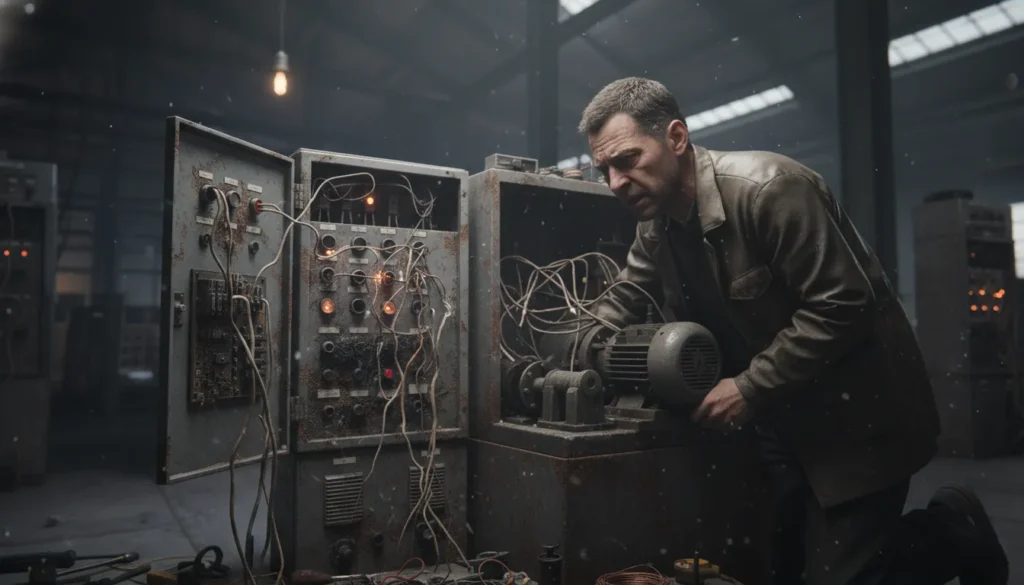
How Modern Control Systems Improve Industrial Operations
Replacing outdated electrical infrastructure is not only about preventing failure. Modern systems deliver measurable improvements in efficiency, monitoring, and automation.
New control panels support advanced automation technologies that streamline industrial processes. They allow operators to monitor performance, detect faults early, and optimize production systems.
Improved diagnostics also reduce troubleshooting time. Instead of searching through complex wiring, technicians can quickly identify issues through integrated monitoring systems.
Facilities investing in upgraded control systems often experience smoother production cycles and fewer unexpected shutdowns.
Businesses needing industrial electrician services can benefit from a professional assessment of existing electrical infrastructure. A thorough inspection reveals whether upgrades are necessary or if targeted improvements will extend system lifespan.
Reliable Electrical Support for Industrial Facilities
Industrial operations depend on dependable electrical systems. Control panels serve as the central command structure for production equipment, automation systems, and safety controls.
Facilities across Hayward, Chetek, Clear Lake, and Balsam Lake often rely on specialized electrical expertise to maintain their systems. Working with qualified professionals ensures that installations follow current codes and operate efficiently.
Businesses looking for a dependable industrial installations & repair electrician should prioritize experience with complex industrial systems and modern automation equipment.
For immediate support or professional assessment, contact 715-234-3901 to discuss electrical needs with experienced technicians.
FAQs
How long does an industrial control panel typically last?
Most control panels operate reliably for fifteen to twenty five years depending on maintenance, environment, and electrical load. Systems exposed to heat, dust, or heavy usage may require replacement sooner.
Can an old control panel still be repaired instead of replaced?
Repairs are sometimes possible, but when parts become difficult to find or failures occur frequently, replacement becomes the safer and more economical solution.
What risks come from using an outdated control system?
Older panels may lack modern safety protections and can cause overheating, electrical faults, or unexpected shutdowns. These issues increase downtime and create potential hazards for workers.
When should an industrial facility schedule an inspection?
Annual inspections are recommended for most industrial systems. Facilities experiencing frequent electrical issues should schedule evaluations sooner to prevent major failures.
Conclusion
Industrial control systems are essential for safe and efficient operations. When these systems begin showing signs of wear, ignoring the warning signals can lead to equipment damage, production delays, and safety risks.
Recognizing early indicators such as overheating, frequent failures, rising maintenance costs, and outdated components allows facilities to act before major disruptions occur.
Upgrading to modern control infrastructure ensures safer operations, improved efficiency, and better compatibility with current industrial technologies.
Businesses throughout Northwestern Wisconsin that rely on reliable electrical systems should regularly evaluate the condition of their control panels. Timely replacement not only protects equipment but also supports consistent productivity for years to come.