
If your lights flicker when appliances start, the short answer is this: your electrical system is reacting to a sudden demand for power.
In many cases, it is normal voltage fluctuation. In other cases, it signals wiring, panel, or service capacity issues that should be inspected by a licensed electrician.
Table of Contents
Lights Flicker When Appliances Turn On
Homeowners across Rice Lake and surrounding communities often notice this when the refrigerator cycles, the furnace blower kicks in, or the washing machine starts spinning. A brief dip in brightness may seem minor.
But consistent flickering can reveal deeper electrical problems that affect safety, appliance lifespan, and overall system performance. This is often the first sign when understanding why your lights are flickering becomes important.
Let’s break down what is actually happening inside your electrical system and how to determine whether you are dealing with a minor inconvenience or a condition that needs professional attention.
What Happens Inside Your Electrical System
Every appliance with a motor draws extra current during startup. This is called inrush current. When that surge hits your panel, voltage momentarily drops across the circuit. Your lights respond by dimming or flickering.
In a properly sized system, the effect is subtle and brief. In older homes or homes with heavy loads, the effect becomes more noticeable. If you live in Siren, Webster, Cameron, or Minon, especially in properties built decades ago, your electrical infrastructure may not have been designed for modern demand.
Today’s homes run air conditioners, microwaves, induction ranges, sump pumps, smart home systems, and high efficiency HVAC units. Older panels and branch circuits were never sized for that kind of load.
When Flickering Is Normal
Some flicker is expected when:
- A large motor starts, such as an air conditioner or well pump
- The refrigerator compressor cycles on
- The dryer or washing machine begins a spin cycle
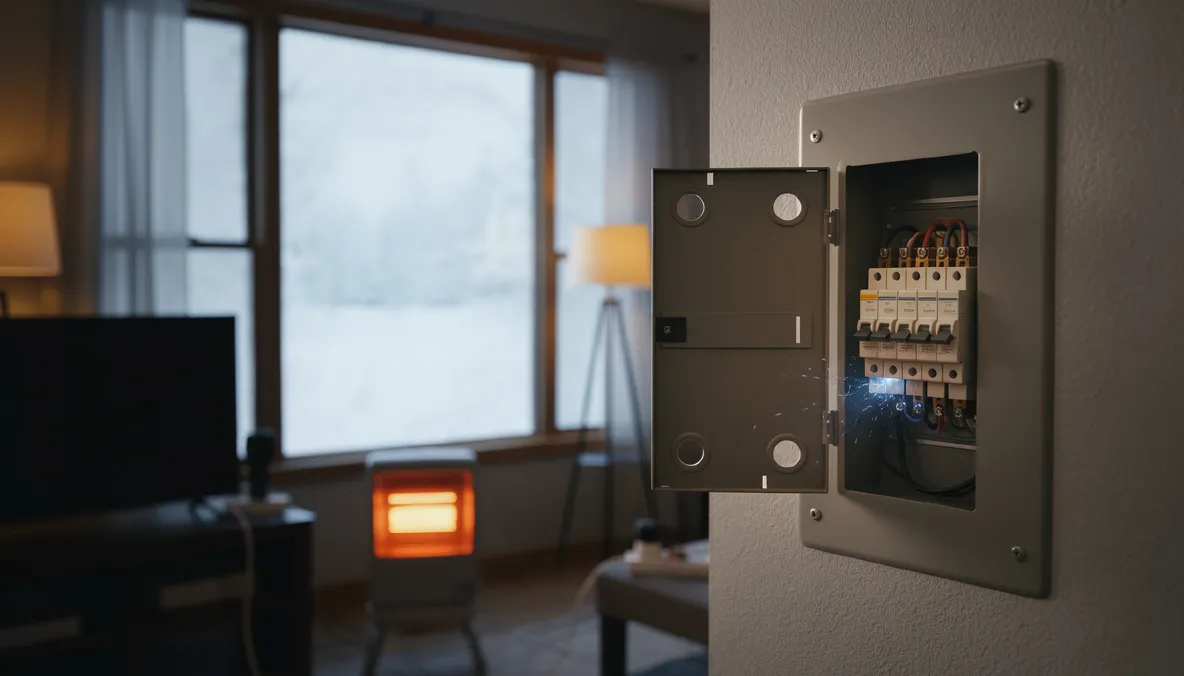
- A space heater is turned on
If the flicker is brief, isolated to one room, and not getting worse over time, it may simply be a routine voltage drop. However, if lights throughout the home dim noticeably, or the flicker lasts more than a second, it is worth investigating.
Common Causes Behind the Problem
Undersized Circuits
One of the most common reasons is Undersized circuits. When too many devices share a branch circuit, voltage drops become more visible. Kitchens and laundry rooms are especially prone to this issue.
Modern code requires dedicated circuits for high demand appliances. In older homes, those appliances may share lines with lighting fixtures. When the appliance starts, the lights pay the price.
Loose Panel Connections
Another frequent cause is loose panel connections. Inside your breaker panel, wires must be tightly secured under terminal screws. Over time, thermal expansion and contraction can loosen these connections—one of the common signs of an overloaded electrical panel that often goes unnoticed.
Loose wiring increases resistance, which leads to heat and inconsistent voltage. This can cause flickering, buzzing sounds, or even arcing. Electrical panels should always be inspected by a qualified professional when these symptoms appear.
Shared Neutral Wires
Homes wired decades ago may have shared neutral wires between circuits. When multiple circuits share a neutral conductor improperly, voltage imbalance can occur.
This imbalance causes fluctuating brightness and can damage electronics over time. It is not something you can see without testing equipment, but an experienced electrician can identify it quickly.
Aging Breakers
Breakers are mechanical devices. They do not last forever. Aging breakers may fail to regulate current consistently.
If you notice flickering combined with warm breakers, tripping issues, or inconsistent performance, the breaker itself may need replacement. Panels manufactured decades ago are especially prone to degradation.
Service Line Issues
In some cases, the issue is not inside your home at all. Service line issues between your house and the utility transformer can cause voltage instability.
Loose overhead connections, underground cable deterioration, or transformer capacity problems can affect multiple homes in a neighborhood. If neighbors in Webster or Cameron report similar flickering, the utility provider may need to evaluate the service line.
Why It Should Not Be Ignored
Flickering lights are not just cosmetic. Persistent voltage drops can:
- Shorten appliance lifespan
- Damage sensitive electronics
- Increase fire risk
- Indicate panel overheating
- Reveal grounding or bonding problems
Electrical systems are designed to operate within specific voltage ranges. Consistent deviation stresses every device connected to the circuit.
If flickering is paired with burning smells, buzzing sounds, hot outlets, or frequent breaker trips, you should schedule an inspection immediately.
How Electricians Diagnose the Issue
Professional troubleshooting involves more than visual inspection. A licensed electrician will:
- Measure voltage under load
- Check panel torque settings
- Inspect grounding and bonding
- Evaluate circuit distribution
- Test breaker integrity
- Review service capacity
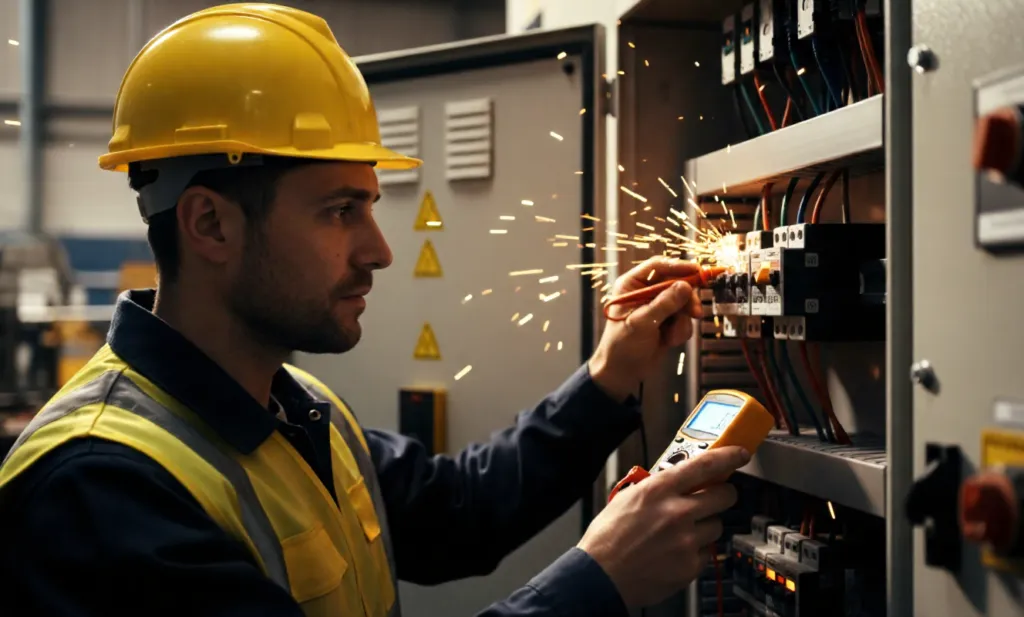
In many homes across North Western Wisconsin, electricians frequently see service panels that are operating near maximum capacity. A load calculation can determine whether your home needs a panel upgrade—and in many cases, it also helps fix flickering lights by an electrician by identifying overloaded circuits or imbalanced electrical demand.
If you live in Rice Lake and notice flickering throughout multiple rooms, it may indicate that your service size is too small for modern demand.
Panel Upgrades and Circuit Improvements
If your home still operates on a 100 amp panel and you have added high demand appliances over the years, upgrading to 200 amps may solve the issue.
Newer panels provide:
- Improved voltage stability
- Better circuit separation
- Safer breaker technology
- Capacity for future additions
Dedicated circuits for large appliances eliminate competition between lighting and motor loads. That alone can dramatically reduce flickering.
Rural Homes and Well Pumps
In communities like Siren and Minon, many properties rely on private well systems. Well pumps create significant startup draw.
If your lights dim every time water runs, your pump may be pulling heavy inrush current on a shared line. Installing a dedicated circuit or evaluating pump efficiency often resolves the issue.
Temporary Fixes Versus Long Term Solutions
It is tempting to ignore flickering if nothing seems to fail immediately. However, temporary fixes like swapping bulbs or using different outlets rarely address the root cause.
Real solutions involve:
- Proper load distribution
- Secure connections
- Upgraded service capacity
- Code compliant wiring
- Safe grounding systems
Electrical systems are interconnected. Addressing one weak link strengthens the entire network.
When to Call a Professional
Call an electrician if:
- Flickering worsens over time
- Multiple rooms are affected
- Breakers trip frequently
- You smell burning insulation
- Lights brighten and dim unpredictably
For homeowners in Rice Lake and nearby towns, Meyers Electric can inspect panels, evaluate capacity, and correct wiring issues. If immediate assistance is needed, call 715-234-3901 to schedule an evaluation.
Frequently Asked Questions
Is it dangerous if lights flicker briefly?
A brief flicker when a large appliance starts is often normal. However, repeated or worsening flicker may indicate wiring stress or panel imbalance that should be evaluated.
Can LED bulbs make flickering more noticeable?
Yes. LED bulbs respond instantly to voltage changes. Even small fluctuations that older incandescent bulbs masked can appear more obvious with LEDs.
Should I upgrade my panel if my lights flicker?
Not always. A proper load calculation and inspection determine whether the issue is circuit distribution or overall service capacity.
Why do lights flicker only in one room?
This usually points to a localized circuit issue. Loose connections, overloaded wiring, or fixture problems are common causes.
Can service line problems cause flickering?
Yes. Utility side connections and transformer load issues can create instability that affects your entire home. An electrician can help confirm whether the issue is internal or external.
Conclusion
When lights flicker during appliance startup, your electrical system is responding to sudden demand. In many cases, the cause is minor voltage drop. In other cases, it signals overloaded circuits, aging breakers, or service limitations.
Homes in Rice Lake, Siren, Webster, Cameron, and Minon often operate on older electrical infrastructure that was never designed for modern loads. Addressing flickering early prevents long term damage and improves system safety.
Electrical systems should operate quietly and consistently. If yours is showing signs of stress, a professional inspection ensures your home remains safe, efficient, and ready for future demand.