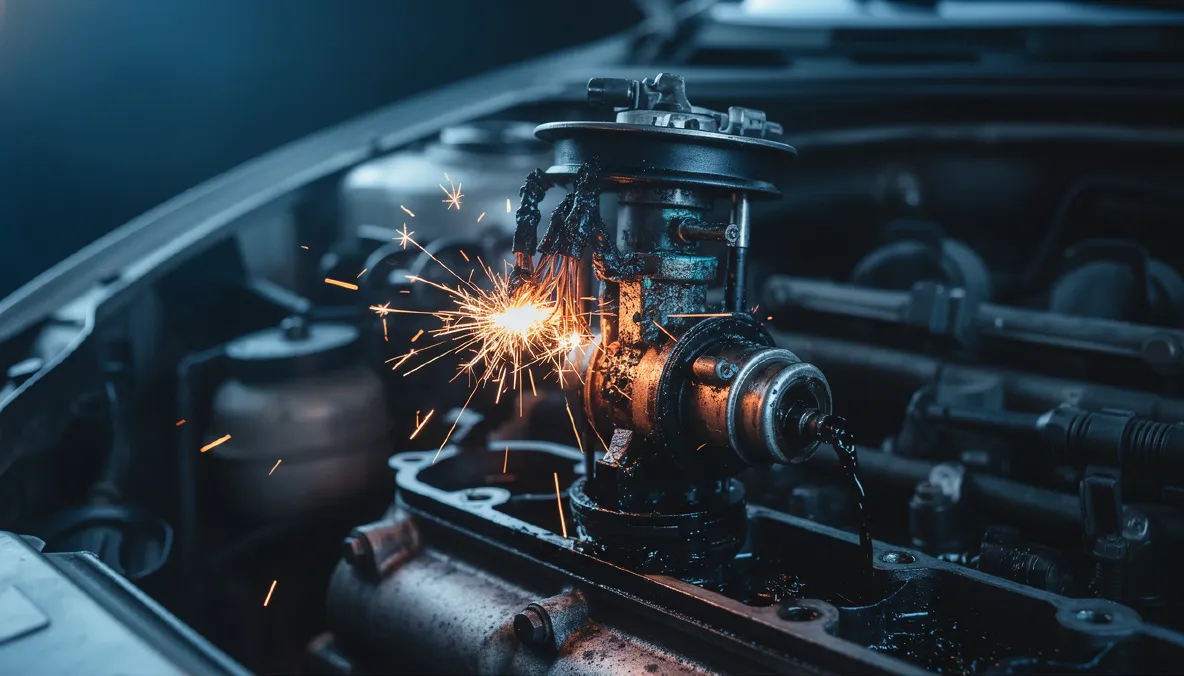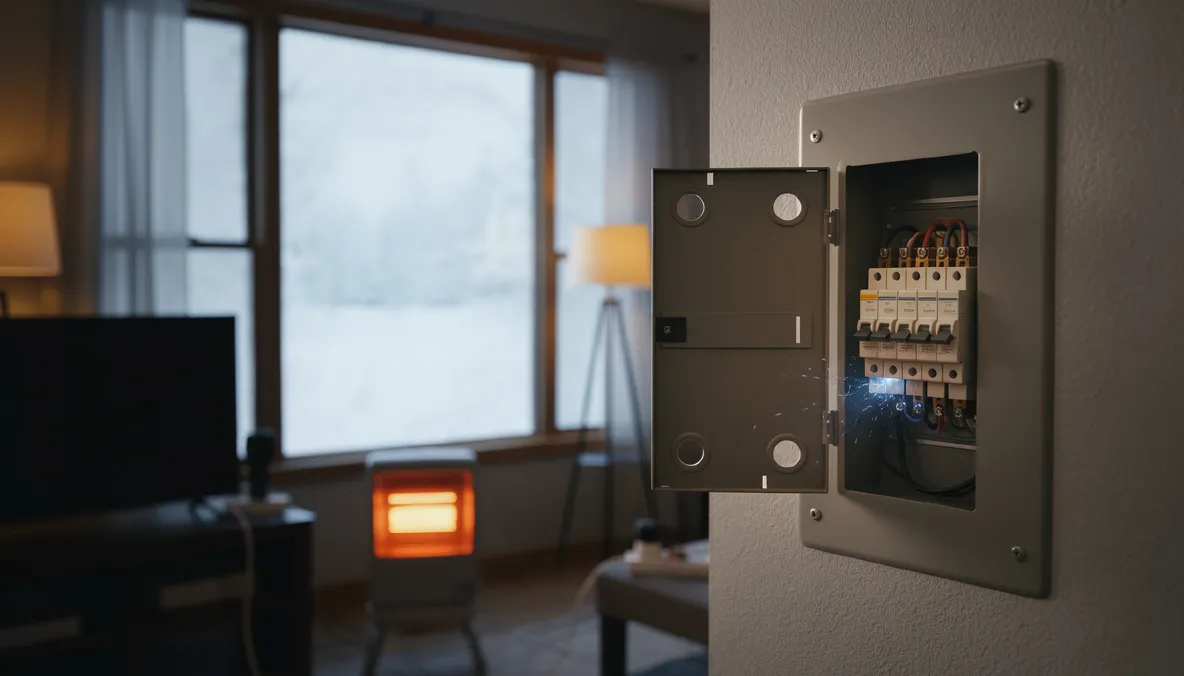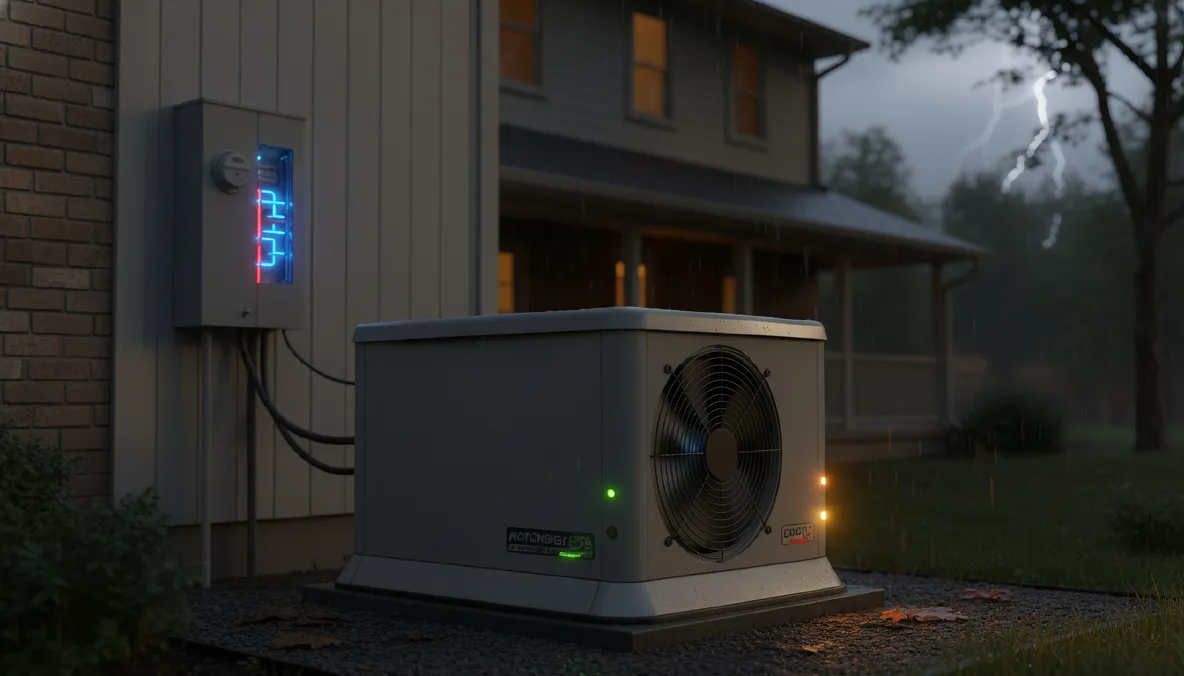

If you’re asking whether you need to replace your electric meter, the short answer is this: you usually don’t need a replacement unless you’re seeing clear signs of electrical issues, outdated equipment, or planning a service upgrade. Most meters last decades, but when problems show up, ignoring them can lead to safety risks, billing errors, or power disruptions.
Let’s walk through what actually matters so you can make a confident decision without second guessing.
Table of Contents
What Your Electric Meter Actually Does
Your electric meter measures how much electricity your home uses. It’s the point where your utility company tracks consumption and where your home connects to the grid.
In places like Ladysmith, Shell Lake, Spooner, and Hayward, many homes still rely on older analog meters. These can work fine, but they are more prone to wear over time compared to newer digital systems.
If you’re in Northwestern Wisconsin and relying on an older setup, it’s worth paying attention to how your system behaves.
Signs It’s Time to Upgrade Your Electrical Meter
You don’t replace a meter just because it’s old. You replace it when it stops being reliable or safe. As part of a routine electrical service checklist, it’s important to periodically assess your meter’s condition to ensure your system is running efficiently and safely.
Here are clear indicators:
1. Inconsistent or unusually high bills
If your usage hasn’t changed but your bill has, your meter may not be reading accurately. Monitoring this regularly as part of your electrical service checklist can help catch issues early before they become costly.
2. Flickering lights or unstable power
While this can point to other electrical issues, the meter or its connections could be part of the problem. A proper electrical service checklist should always include checking for irregular power behavior.
3. Physical damage or corrosion
Rust, cracks, or moisture inside the meter housing are not normal and should be checked immediately. These visible signs are key items in any thorough electrical service checklist.
4. Burning smell or heat near the meter
This is a serious warning sign. It could indicate loose connections or overheating components. If this appears during your electrical service checklist inspection, immediate professional attention is required.
5. You’re upgrading your home’s electrical capacity
Adding HVAC systems, EV chargers, or major appliances often requires a meter upgrade. This step is commonly identified during a detailed electrical service checklist when evaluating system capacity and future needs.
Regular inspections using a structured electrical service checklist not only extend the life of your system but also ensure your home remains safe, efficient, and ready for modern electrical demands. If you notice any of these, it’s time to consult professional electrician services.
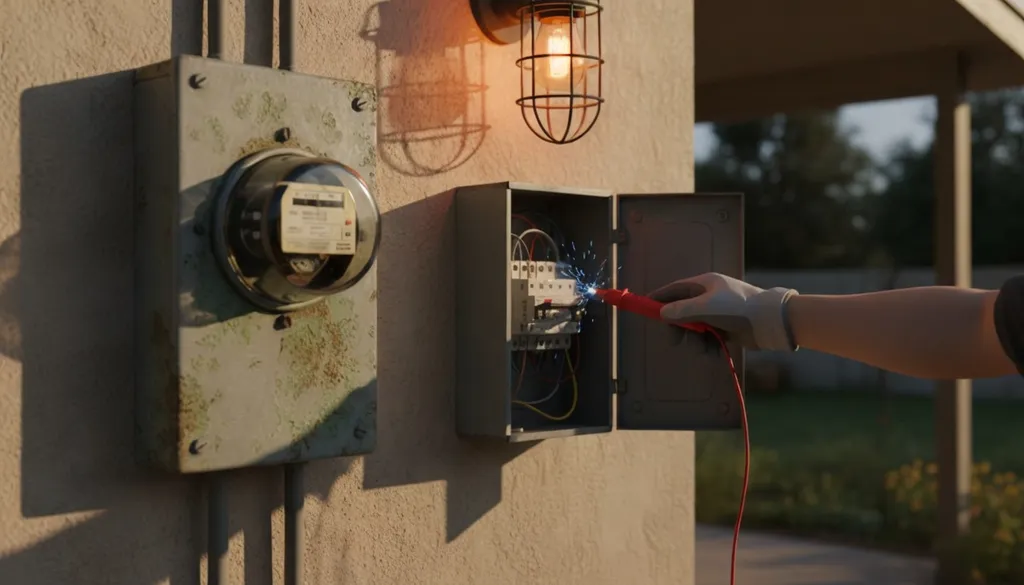
5 Signs You Need A New Electric Submeter
Submeters are often used in rental units or multi-family properties. They help track usage per unit.
Here’s when they need attention:
Readings don’t match actual usage
Tenants complaining about inaccurate billing is often the first sign something isn’t right. When energy consumption appears higher or lower than expected without any clear reason, it may indicate that the submeter is no longer functioning correctly. In many cases, this can also be one of the early signs your home needs rewiring, especially if electrical inconsistencies are present throughout the property.
Display issues
Digital screens that fade, flicker, or stop working entirely can no longer provide reliable data. A malfunctioning display makes it difficult to monitor usage accurately and may point to internal faults within the meter or the broader electrical system.
Frequent tripping or interruptions
If you notice repeated tripping, power interruptions, or irregular electrical behavior, the submeter could be struggling to handle load demands. This not only affects performance but can also signal deeper electrical issues, including signs your home needs rewiring, particularly in older properties.
Outdated technology
Older submeters may not meet current safety standards or compatibility requirements. As electrical systems evolve, outdated meters can become inefficient or even hazardous, making upgrades essential for both accuracy and safety.
Installation changes
Renovations, extensions, or rewiring projects often require updated submeters for proper tracking. Any major electrical modification should prompt a review of your metering system to ensure it aligns with the new setup and continues to provide accurate readings.
Ignoring these can lead to disputes, inefficiency, and safety risks.
How to Identify Signs of Residential Electrical Fault Repair
Sometimes the meter isn’t the problem. It’s the system around it.
Here’s how to spot when your home needs electrical repair instead of a meter replacement:
Lights dim when appliances turn on
This usually suggests load balancing issues or weak electrical connections within your system. It’s a common sign that your wiring or circuits are struggling to handle demand.
Circuit breakers trip frequently
If your breakers are constantly tripping, your system may be overloaded or improperly configured. This is often a safety response to prevent overheating and potential hazards.
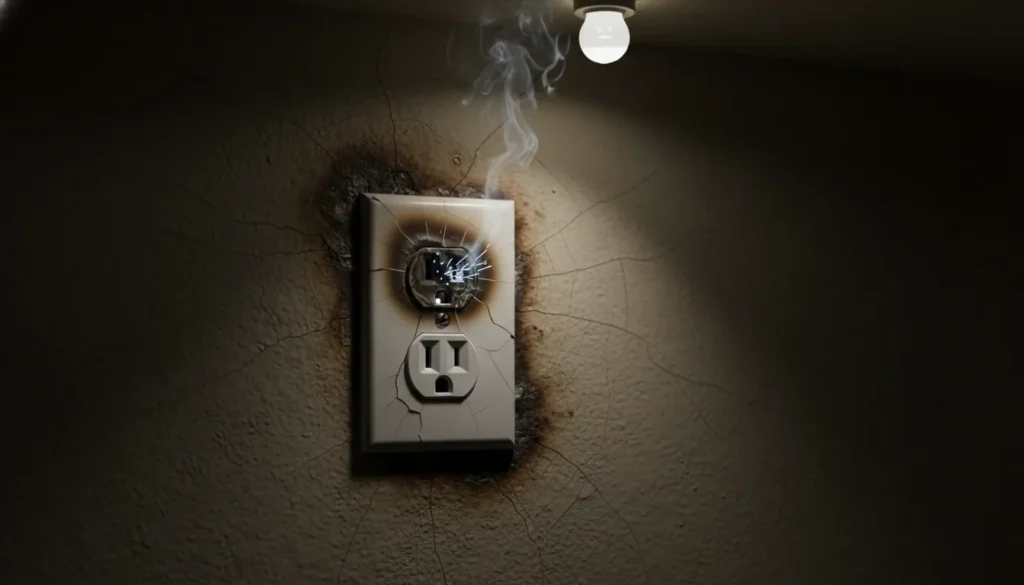
Outlets feel warm or discoloured
Warmth or discoloration around outlets is a clear indicator of wiring problems or loose connections—not a meter issue. These signs should never be ignored, as they can lead to serious electrical risks.
Buzzing sounds from panels or walls
Electricity should operate silently. Any buzzing or humming noises typically point to faulty wiring, loose connections, or overloaded circuits that need immediate attention.
If you’re searching for an electrician near me, it’s likely you’re already experiencing one of these signs. A professional can determine whether the issue is the meter or something deeper.
3 Warning Signs of a Faulty Home Electrical System
A faulty system can sometimes be mistaken for a bad meter.
Focus on these warning signs:
1. Frequent power surges
Frequent power surges can gradually damage your appliances, reducing their lifespan and efficiency over time. While occasional surges may be caused by external factors like lightning, repeated occurrences often point to underlying electrical issues within your home, such as faulty wiring or overloaded circuits.
2. Old wiring systems
If your home was built decades ago, the electrical system may not be designed to handle today’s energy demands. Modern households rely on multiple high-powered devices, and outdated wiring can struggle to keep up. This can lead to overheating, breaker trips, or even fire hazards.
3. Lack of grounding
Proper grounding is essential for a safe electrical system. Without it, excess electricity has no safe path to disperse, increasing the risk of electric shock, appliance damage, or even electrical fires. A lack of grounding is especially dangerous during faults or surges.
In many homes across Northwestern Wisconsin, older infrastructure is common, making inspections even more important.
Why Would I Need To Upgrade My Electrical Meter Box
The meter box, also known as the meter base, is just as important as the meter itself.
Here’s why you might need an upgrade:
Increased electrical demand
Modern homes use far more electricity than older systems were designed for. With smart devices, EV chargers, and high-powered appliances becoming common, an electrical panel upgrade ensures your system can safely handle the load without frequent breaker trips or performance issues.
Safety compliance
Local electrical codes continue to evolve over time. Older breaker boxes may no longer meet current safety standards, increasing the risk of electrical hazards. Upgrading your panel helps ensure your home stays compliant, reducing risks like overheating, short circuits, or fire hazards.
Weather damage
In areas like North Western Wisconsin, harsh winters, moisture, and temperature fluctuations can take a toll on outdoor electrical components. Over time, this exposure can lead to corrosion or wear, making an electrical panel upgrade necessary to maintain safe and reliable operation.
Utility company requirements
In some cases, utility providers require an electrical panel upgrade before approving service changes, such as increasing capacity, adding new circuits, or installing backup generators. Meeting these requirements helps avoid delays and ensures your system is ready for future upgrades.
Upgrading the box ensures your system can handle current and future needs safely.
When You Don’t Need to Replace Your Meter
It’s easy to assume the worst, but many situations don’t require replacement.
You likely don’t need a new meter if:
- Your bills are consistent and accurate
- There are no visible signs of damage
- Your power supply is stable
- You’re not upgrading your electrical system
In these cases, routine inspection is enough.
Local Insight for Rice Lake and Surrounding Areas
If you’re near Rice Lake, where Meyers Electric is based, you’re in a region where older homes and cabins are common. That means aging electrical systems are more likely.
Residents in Ladysmith, Shell Lake, Spooner, and Hayward often deal with:
- Weather exposure affecting meter boxes
- Seasonal property usage impacting electrical load
- Older infrastructure needing gradual upgrades
A electric meter installation service can prevent bigger problems later.
Cost vs Risk: Is It Worth Replacing?
Replacing an electric meter isn’t usually expensive compared to the risk of ignoring problems.
Consider this:
- A faulty meter can lead to incorrect billing
- Electrical faults can increase fire risk
- Delayed upgrades can limit your ability to add new appliances
If there’s even a small doubt, getting it checked is the smarter move.
FAQs
How long does an electric meter last?
Most electric meters can last 20 to 30 years or more. However, environmental conditions and usage can shorten that lifespan.
Can I replace my electric meter myself?
No, this should always be handled by licensed professionals. It involves coordination with the utility company and safety protocols.
How do I know if my meter is faulty or if it’s wiring?
A professional inspection is the only reliable way to tell. Symptoms can overlap, so guessing can lead to the wrong fix.
Will upgrading my meter lower my electric bill?
Not directly, but it ensures accurate readings. If your old meter was faulty, you may notice a correction in billing.
Who should I call if I suspect a problem?
You should contact a licensed electrician immediately. For local help, you can reach out at 715-234-3901 for a proper assessment.
Conclusion
You don’t need to replace your electric meter just because it’s old. But if you’re noticing unusual behavior, physical damage, or planning upgrades, it’s worth taking seriously.
The key is not to guess. Electrical systems are one area where small problems can turn into bigger ones quickly.
If something feels off, trust that instinct and get it checked. A simple inspection today can save you from costly repairs or safety risks tomorrow.