
Solar panel installation is the process of designing, wiring, and connecting a rooftop or ground mounted solar energy system to your home’s electrical panel so you can generate clean electricity and reduce dependence on the grid.
Table of Contents
Solar Panel Installation for Homes
The real story involves planning, structural review, permits, utility coordination, and precise electrical work that keeps your system safe and reliable for decades.
Across Rice Lake and surrounding communities like Chippewa Falls, WI, Menomonie, WI, Barron, WI, and Cumberland, WI, more homeowners are looking at solar not just as a trend, but as a long term financial decision.
Energy costs fluctuate. Winters are long. Power outages are not rare. Owning your power source starts to make sense.
If you are researching solar panel installation checklist, this guide walks you through what actually matters before panels ever touch your roof.
Why Homeowners in Northwest Wisconsin Are Going Solar
Northwestern Wisconsin electricians are seeing steady growth in residential solar inquiries, driven by practical, cost-focused decisions from homeowners.
As electric bills continue to rise, many are exploring smart energy upgrades for homes, with solar leading the way as a reliable long-term solution. Solar systems help offset daytime energy usage, significantly reducing total annual electricity costs while improving overall energy efficiency.
And in rural areas outside Rice Lake, energy independence is more than a buzzword. It is peace of mind.
Unlike states with year round sun, Wisconsin solar systems are engineered around seasonal variation. Panels produce efficiently even in cold temperatures.
Snow management and tilt angles are factored into design. Modern systems are far more resilient than many people assume.
Is Your Home a Good Fit?
Before you commit, your roof and electrical system need evaluation.
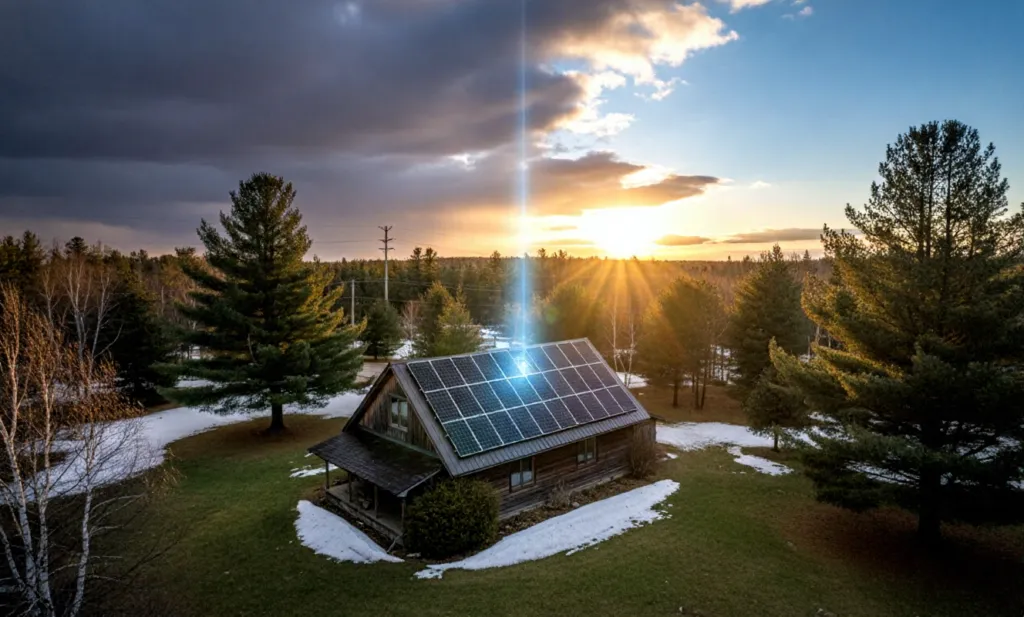
Orientation matters. South facing roofs capture the most sunlight, but east and west orientations still work with adjusted system sizing. Shade from trees or nearby structures reduces output, so a shade analysis is part of the planning phase.
Your roof condition is just as important. If shingles are nearing the end of their life, it is smarter to replace the roof first. Removing and reinstalling panels later adds cost.
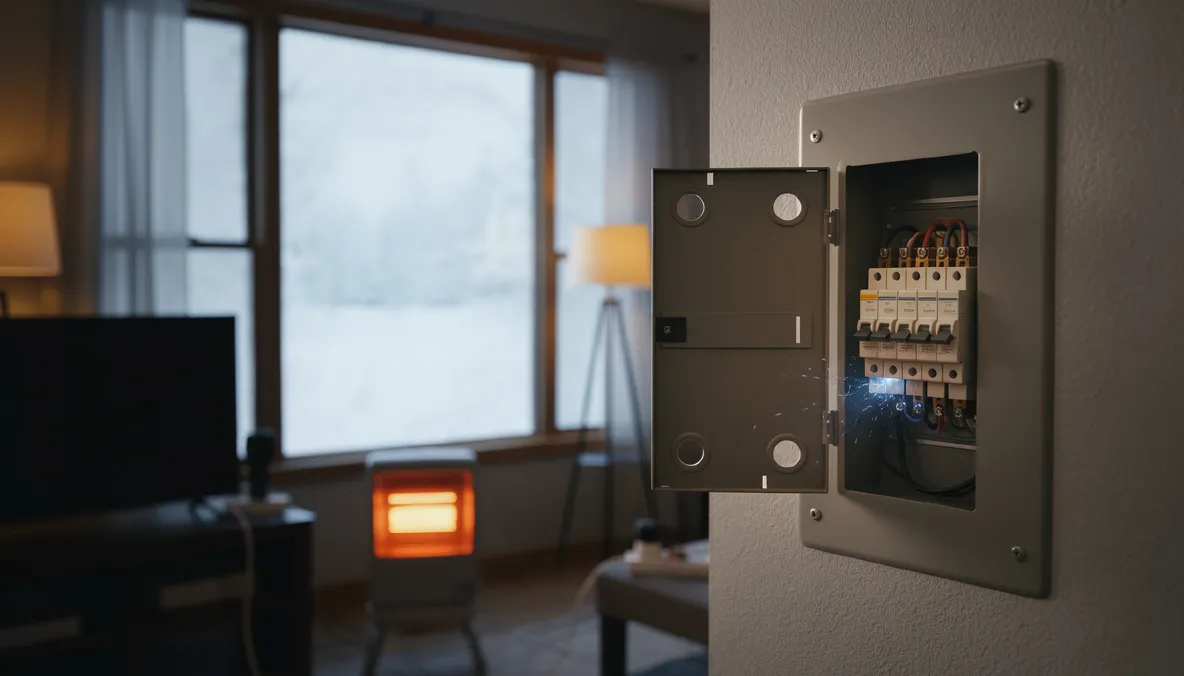
Electrical capacity is another key factor. The main service panel must support the additional load. In some older homes around Barron or Cumberland, service upgrades may be required before installation. This is where experienced electrical residential contractors step in to evaluate whether panel upgrades or rewiring are necessary.
Understanding the Electrical Work
Solar systems are not plug and play devices. They integrate directly with your home’s electrical infrastructure.
The system includes solar panels, inverters, racking, disconnect switches, and monitoring equipment. Panels generate direct current electricity. Inverters convert that to alternating current, which your home uses. The electricity flows through a dedicated breaker into your service panel.
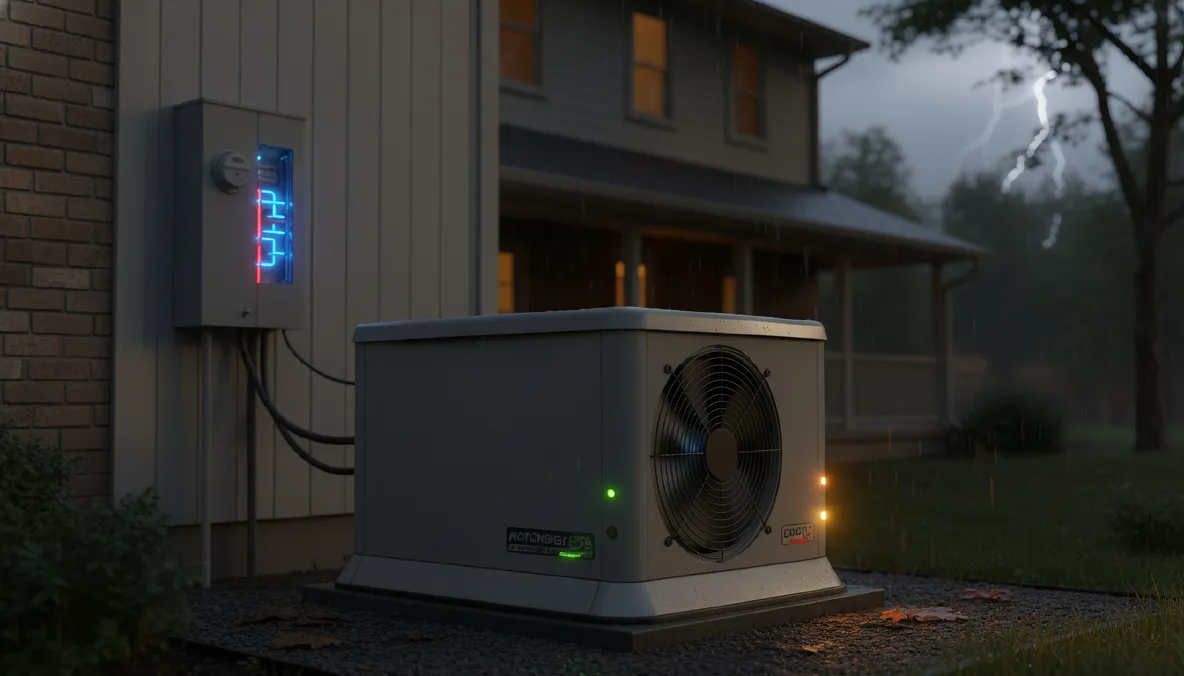
Proper grounding and surge protection are critical. Wisconsin storms are not gentle. Your system must comply with National Electrical Code requirements and local utility standards.
In many cases, homeowners combine solar with residential electric service installation upgrades. That may include a new service panel, meter adjustments, or load balancing to ensure safety and efficiency.
Permits and Utility Coordination
In Chippewa Falls, WI and Menomonie, WI, local building departments require permits before installation begins. Inspections verify structural mounting and electrical compliance.
Utilities also need to approve grid interconnection. Net metering policies allow homeowners to send excess power back to the grid. Your meter tracks both incoming and outgoing electricity.
This step can feel complicated, but experienced local contractors manage paperwork, inspections, and coordination so you are not stuck navigating utility language.
Cost Breakdown in Northwest Wisconsin
Solar pricing depends on system size, roof complexity, and electrical upgrades. Most residential systems in this region range from modest setups covering partial usage to full offset systems designed to match annual consumption.
Key cost components include:
- Solar panels
- Inverter system
- Mounting hardware
- Electrical wiring and breakers
- Labor and permitting
- Optional battery storage
Federal tax credits currently offset a significant percentage of installation costs. Some Wisconsin utility incentives may also apply depending on your provider.
A detailed site assessment is the only way to get accurate numbers. Avoid ballpark figures without an on site evaluation.
Battery Storage: Is It Worth It?
Grid tied systems without batteries are common in Barron and Rice Lake. They reduce bills but still rely on the grid during outages.
Battery storage adds backup power capability. When the grid fails, essential circuits like refrigerators, sump pumps, and heating systems can continue operating.
Battery systems increase upfront cost but offer resilience. In rural parts of Cumberland where winter outages can stretch longer, many homeowners find the added security worthwhile.
Choosing the Right Contractor
Solar installation is electrical work at its core. Look for licensed electricians familiar with Wisconsin code requirements.
Experience matters more than marketing claims. Ask about previous projects in Menomonie or Chippewa Falls. Request details about service panel upgrades, grounding methods, and warranty coverage.
A local contractor understands regional climate factors and utility processes. That reduces delays and prevents costly design errors.
In Rice Lake, Meyers Electric has been part of the regional electrical landscape for decades, supporting homeowners who need both solar integration and traditional service upgrades.
If you want to speak directly with a licensed team about your property, call 715 234 3901 to schedule an assessment.
Solar and Home Value
Real estate trends show growing buyer interest in energy efficient homes. A professionally installed system can improve resale appeal.
Buyers often ask about:
- Annual production data
- Warranty terms
- Inverter age
- Transferability of system ownership
Clear documentation increases buyer confidence. Systems installed by reputable electrical residential contractors tend to inspire more trust during inspections.
Maintenance Expectations
Solar panels require surprisingly little maintenance.
Rain handles most cleaning. Occasional debris removal may be necessary after storms. Snow typically slides off due to panel tilt, though heavy accumulation can temporarily reduce production.
Inverters may need replacement after 10 to 15 years depending on the model. Monitoring apps allow homeowners to track daily output and quickly identify performance drops.
Annual inspections by Northwestern Wisconsin Electricians ensure wiring remains secure and no corrosion develops around mounting points.
Common Concerns from Homeowners
What if I move?
Solar systems increase property appeal in many markets. In areas like Barron and Chippewa Falls, buyers increasingly see solar as an asset rather than a complication.
Will my roof leak?
Proper flashing and mounting techniques prevent water intrusion. When installed correctly, solar does not damage roofing materials.
What happens in winter?
Cold weather actually improves panel efficiency. Production decreases with shorter daylight hours, but systems are designed around annual output rather than peak summer numbers.
Integrating Solar with Broader Electrical Upgrades
Many homeowners pair solar with broader electrical improvements.
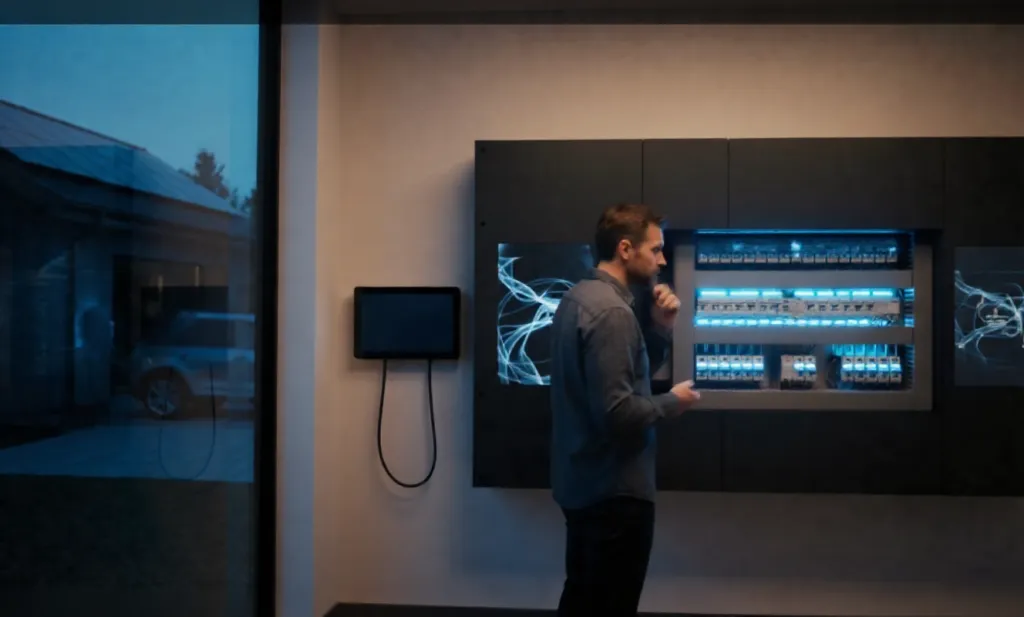
That might include upgrading an outdated fuse box to a modern breaker panel. It may involve adding dedicated circuits for electric vehicle chargers. Some combine solar projects with residential electric service installation improvements to support expanding household energy demands.
Coordinating these upgrades in a single project often reduces labor duplication and long term disruption.
Planning for the Long Term
Solar panels installation service typically carry 20 to 25 year performance warranties. That means your system should produce predictable energy for decades.
When calculating return on investment, consider:
- Annual energy consumption
- Utility rate trends
- Available tax credits
- Panel degradation rates
In Menomonie and Cumberland, many homeowners reach breakeven within several years depending on system size and incentives.
Solar is not a quick flip investment. It is a long horizon strategy for stable energy costs and reduced dependence on external supply.
FAQs
How long does installation take?
Most residential projects are completed within one to three days after permits are approved. Larger systems or electrical upgrades may extend timelines slightly, especially if panel replacements are required.
Do I need a new electrical panel for solar?
Not always. If your current service panel has adequate capacity and space for breakers, it may support the system without upgrades. Older homes sometimes require panel replacements to meet code.
Can solar power my entire home?
Yes, if the system is sized to match your annual energy usage. Site conditions and roof space determine maximum capacity, so a detailed assessment is necessary.
What maintenance costs should I expect?
Maintenance is minimal. Occasional inspections and potential inverter replacement over time are the primary long term considerations.
Does solar work during power outages?
Standard grid tied systems shut down during outages for safety reasons. Adding battery storage enables backup power for selected circuits.
Conclusion
Solar panel installation for homes in Northwest Wisconsin is not a trend driven by marketing hype. It is a calculated decision grounded in long term savings, energy independence, and property value.
From Rice Lake to Chippewa Falls, WI, Menomonie, WI, Barron, WI, and Cumberland, homeowners are evaluating roof orientation, electrical capacity, and utility policies before moving forward. The key is working with licensed professionals who understand both solar design and local code compliance.
If you are considering a system, start with a site assessment. Understand your roof, your panel capacity, and your annual usage. Solar works best when it is planned carefully and installed correctly.