
Campground & Recreation Electrical Services in Northwest Wisconsin
Breaker trips during peak weekends? Pedestals overheating under full hookups? We design campground electrical systems engineered for load stability, weather exposure, and public-use compliance.





- Campground
Outdoor Recreation Electrical Contractors in Northwest Wisconsin
Why do campgrounds experience electrical issues during peak weekends?
Because systems designed for light use can’t handle full hookups, weather exposure, and constant demand. How do operators avoid outages and safety risks? By working with an electrician who understands recreation infrastructure.
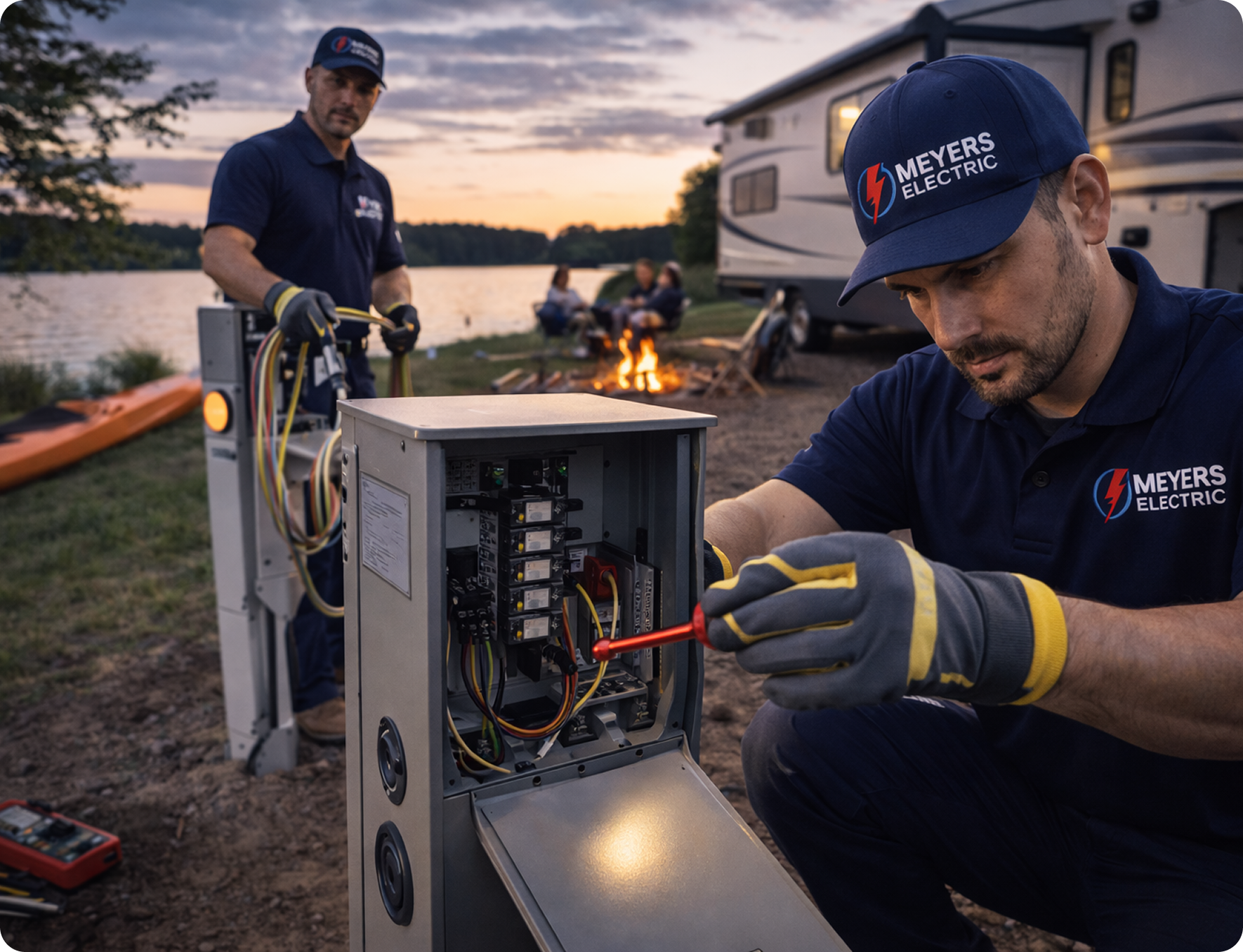
Meyers Electric provides electrical services purpose-built for campgrounds, RV parks, and recreation properties across Northwest Wisconsin and surrounding communities. From pedestals and site power to bathhouses, lighting, trench coordination, and standby generators, we build systems that stay stable during peak season and compliant with public-use safety codes.
Specialized Electrical Services for Campgrounds & Recreation Sites
Campground electrical systems aren’t static, they surge, contract, and endure constant environmental stress. That’s why our services focus on system reliability, load control, and guest safety, not short-term fixes.
Meyers Electric delivers end-to-end electrical solutions built for outdoor, high-use recreation environments.
- RV pedestal and site power installations
- Bathhouse, office, and utility wiring
- Seasonal inspections and corrective maintenance
- Electrical service upgrades for peak demand
- Outdoor, pathway, and security lighting
- Load management and distribution planning
- Cummins standby generator systems
Each service is designed to support continuous operation during peak occupancy while meeting public-use electrical codes.
A Long-Term Electrical Partner for Recreation Properties
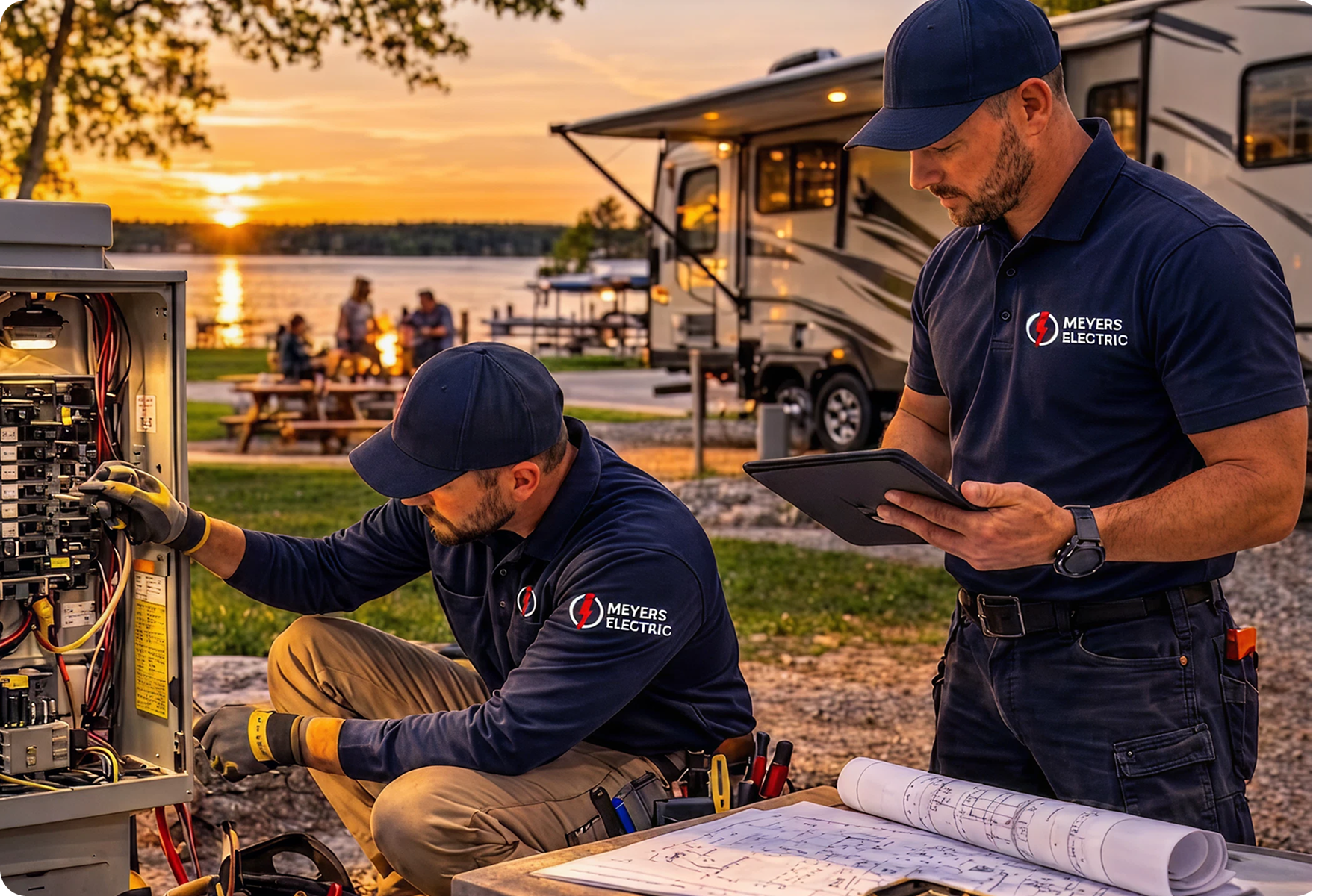
Choosing an electrician for a campground isn’t about who’s cheapest, it’s about who understands the environment. Recreation facilities operate like small power networks, and mistakes show fast. Based in Rice Lake, WI, Meyers Electric brings decades of experience managing complex, outdoor electrical systems that must stay safe, compliant, and operational under constant public use.
- Scalable infrastructure planning for growth
- Proactive maintenance, not reactive fixes
- Emergency response when it matters most
- Reliable systems built for seasonal load swings
- Clear communication and transparent timelines
We don’t just install systems, we help protect your operation.
Need Help Fast? We’re Already on the Way
Contact us now for same-day residential service in Rice Lake and Northwestern Wisconsin because delays shouldn’t leave your home in the dark.

Compliance-Focused Electrical Services for Campgrounds
Code compliance isn’t a checkbox, it’s a system. Campground electrical work involves outdoor exposure, shared infrastructure, and public access, all of which increase risk if not handled correctly. Meyers Electric delivers compliance-first electrical services designed for recreation environments.
We ensure proper conductor sizing, pedestal protection, GFCI requirements, bonding, and weather-rated installations across your property. Licensed and insured professionals with experience in public-facing electrical systems complete all work. This approach minimizes liability, improves inspection outcomes, and supports safe, uninterrupted operations.
Generator Services for Campgrounds & Recreation Facilities
Our generator services include:
- Cummins standby generator sales and installation
- Backup power for offices, bathhouses, wells, and pumps
- Automatic transfer switch installation and testing
- Load analysis to size generators correctly
- Fuel system coordination and placement planning
- Ongoing maintenance, testing, and service support
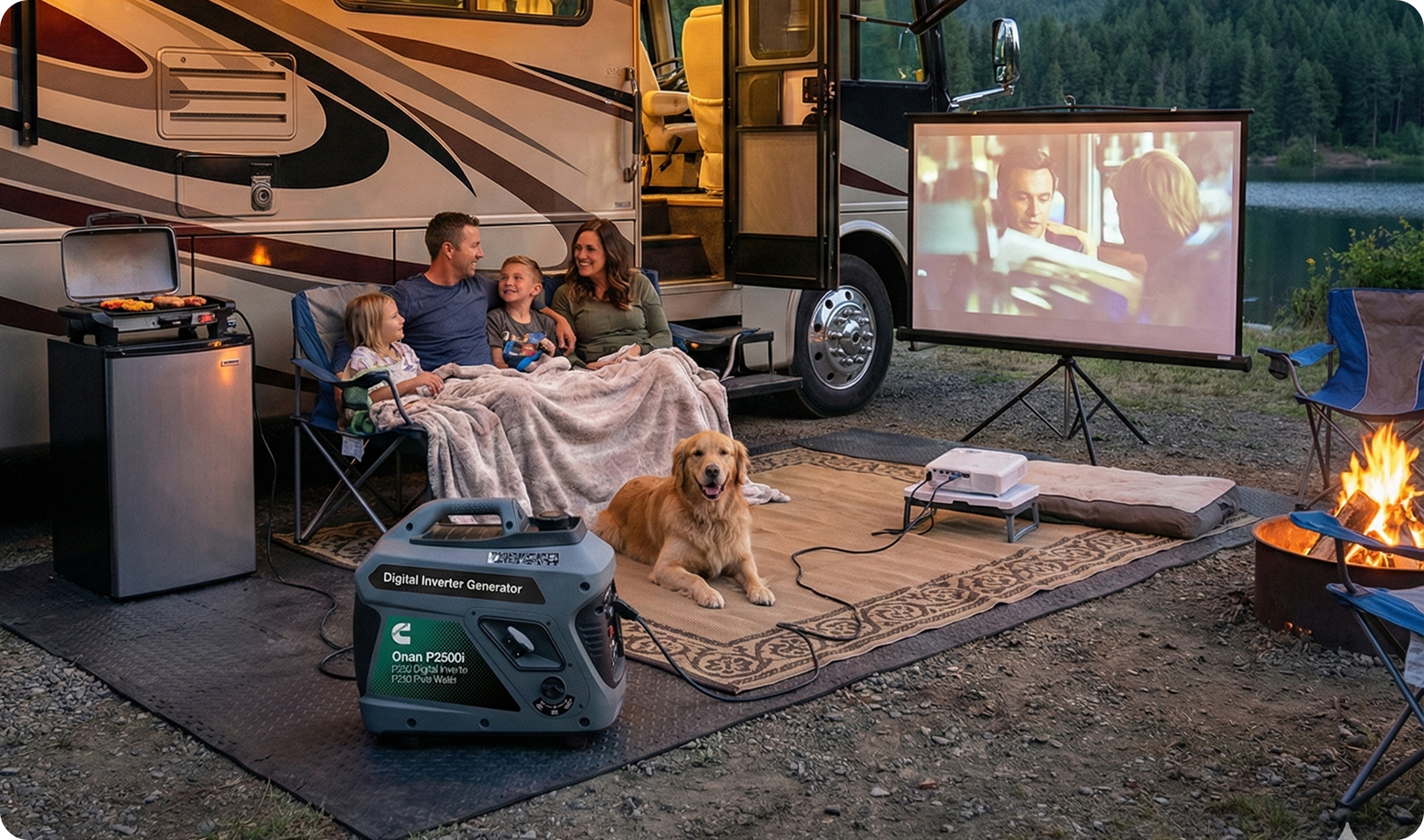
What happens when a power outage shuts down water systems, restrooms, and reservations? Operations stop immediately. Generator systems aren’t optional for recreation properties, they’re a core reliability layer. Meyers Electric designs and installs standby generator systems that keep critical campground operations running during outages, storms, and utility failures.
The Meyers PowerGuard™ Plan
Keep your home standby generator outage-ready. The Meyers PowerGuard™ Plan is a simple residential generator maintenance plan for reliable performance and scheduled service.
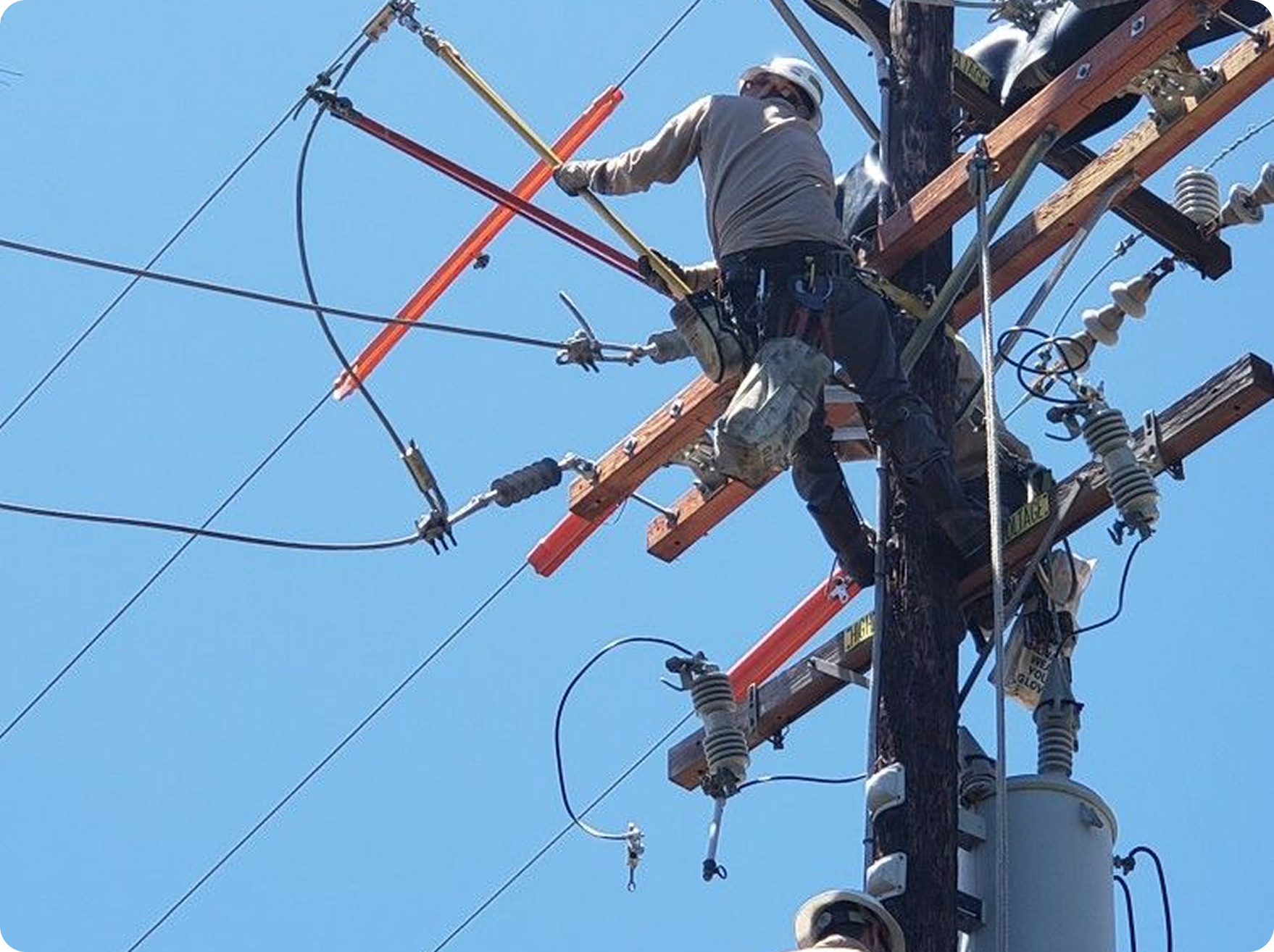
Electrical infrastructure doesn’t stop at ground level and neither do we. Large recreation properties require safe access to elevated lighting, power lines, and site infrastructure. Our in-house bucket trucks allow us to complete aerial electrical work efficiently without delays or third-party scheduling.
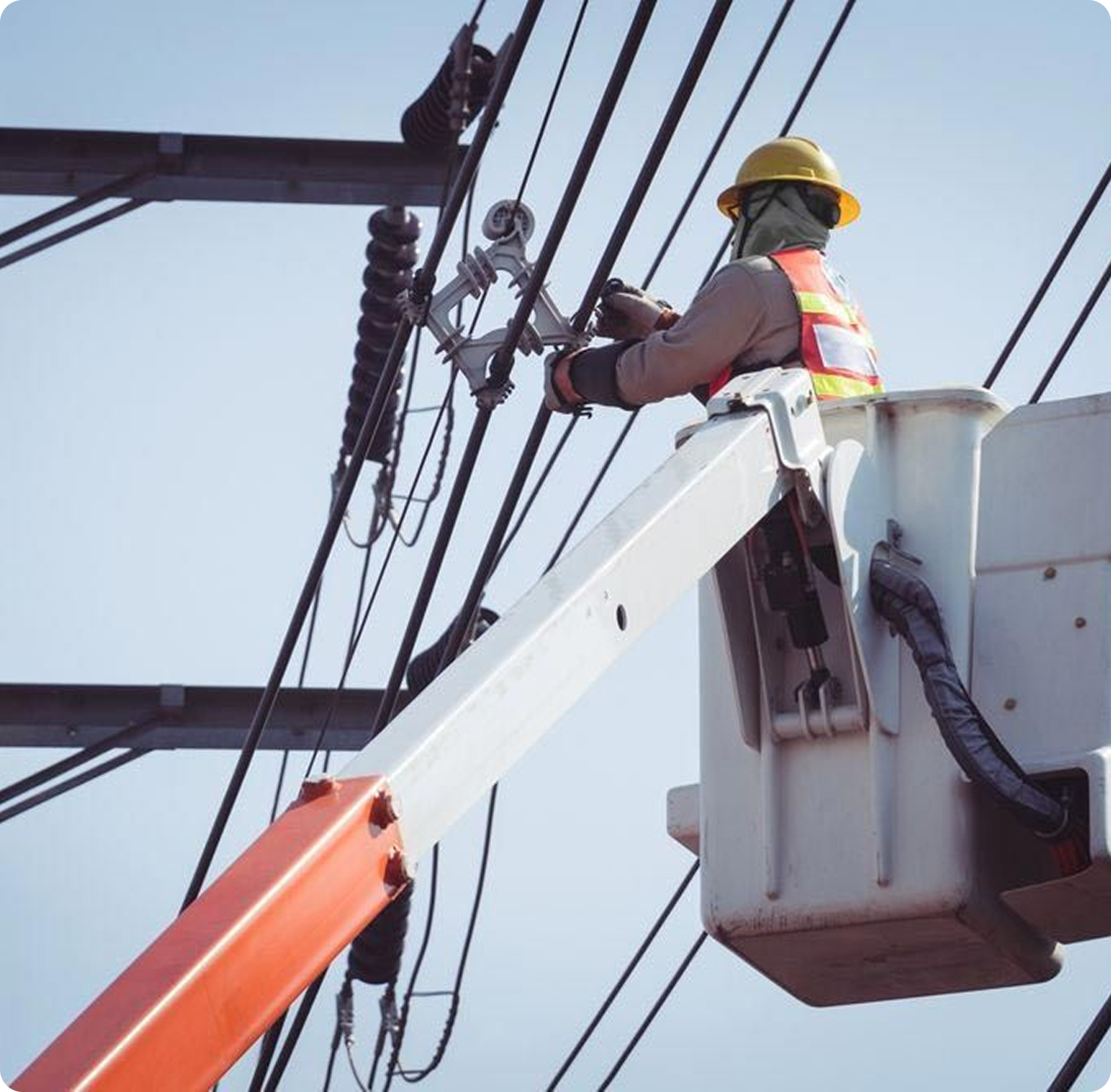
Bucket Truck Electrical Services for Large Properties
- Parking lot, roadway, and site lighting installation
- LED retrofits on tall poles and fixtures
- Streetlight and utility lighting repairs
- Exterior signage and building-mounted lighting
- Aerial power connections and pole-top equipment
- Sports field and recreational area lighting
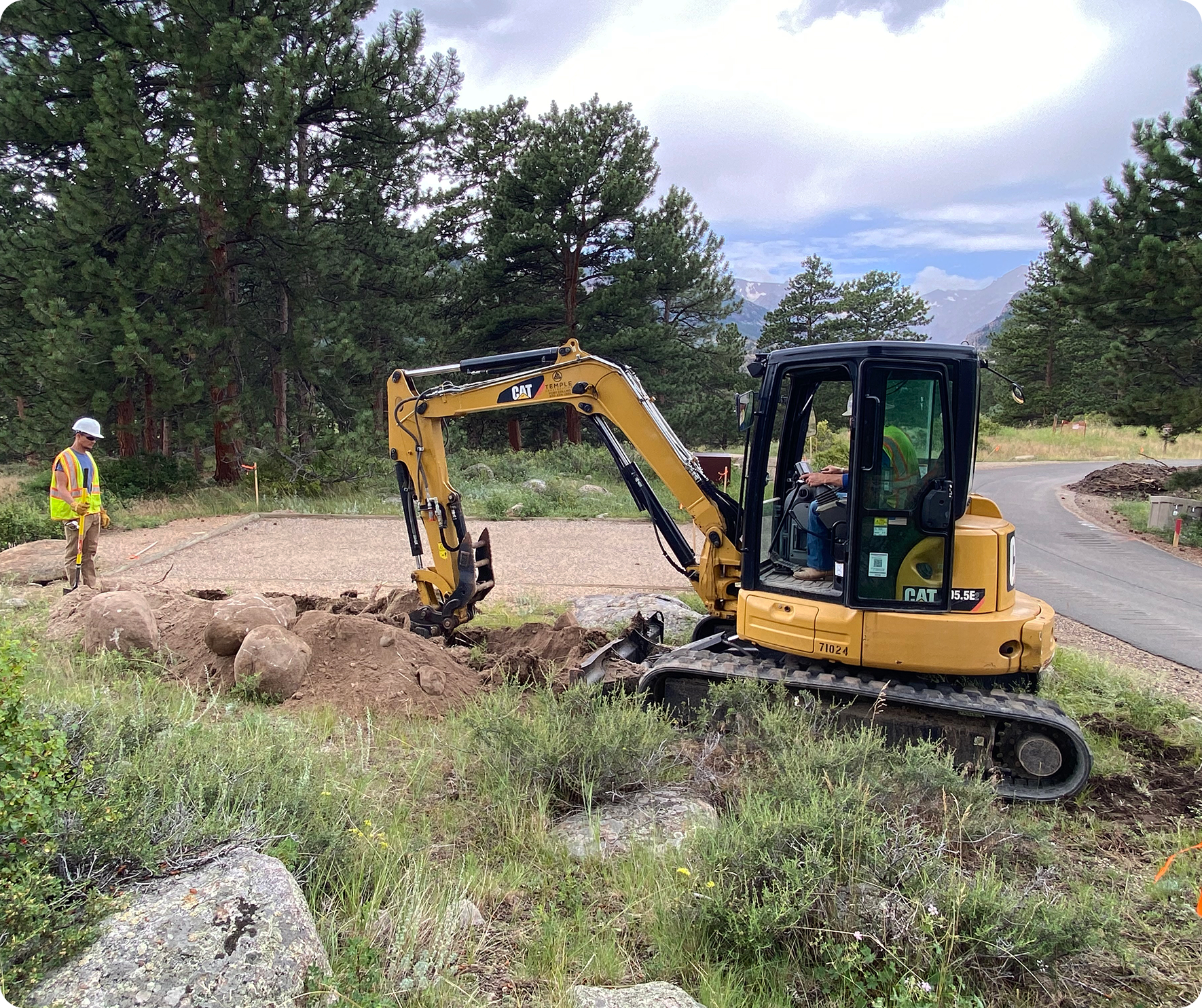
Digging & Trenching Services for Campground Electrical Projects
Our trenching services support:
- Underground electrical distribution for RV pedestals
- New site development and campground expansion
- Utility coordination and depth compliance
- Conduit installation and protection
- Routing for lighting, cabins, and amenity power
- Restoration planning to minimize site disruption
By handling trenching coordination alongside electrical installation, we reduce delays and protect system integrity from the ground up.
Proper trenching is critical to long-term electrical reliability. Poorly installed underground wiring leads to failures, water intrusion, and costly repairs. Meyers Electric coordinates trenching and digging services to support safe, code-compliant underground electrical installations across campground sites.
Please reach out to discuss your specific needs and how we can help.
- Contact Us
Recreational and Campground Electrical Issues?We’re Ready
Have a question or need reliable electrical service? Meyers Electric is here to help. Our licensed electricians serve homes, farms, and businesses across Northwestern Wisconsin and surrounding communities with prompt, professional support.
Reach out today to discuss your project, request service, or get expert guidance you can trust.
If you’re unsure whether your project requires emergency service, give us a call we’ll help you determine the safest next step.
Monday–Friday, 7:00AM - 4:30PM CST
Other Electrical Services
From quick repairs to complex electrical systems, Meyers Electric delivers safe, reliable, and code-compliant solutions across Northwestern Wisconsin. Our licensed electricians serve homes, businesses, farms, and facilities with precision, experience, and a commitment to doing the job right the first time.
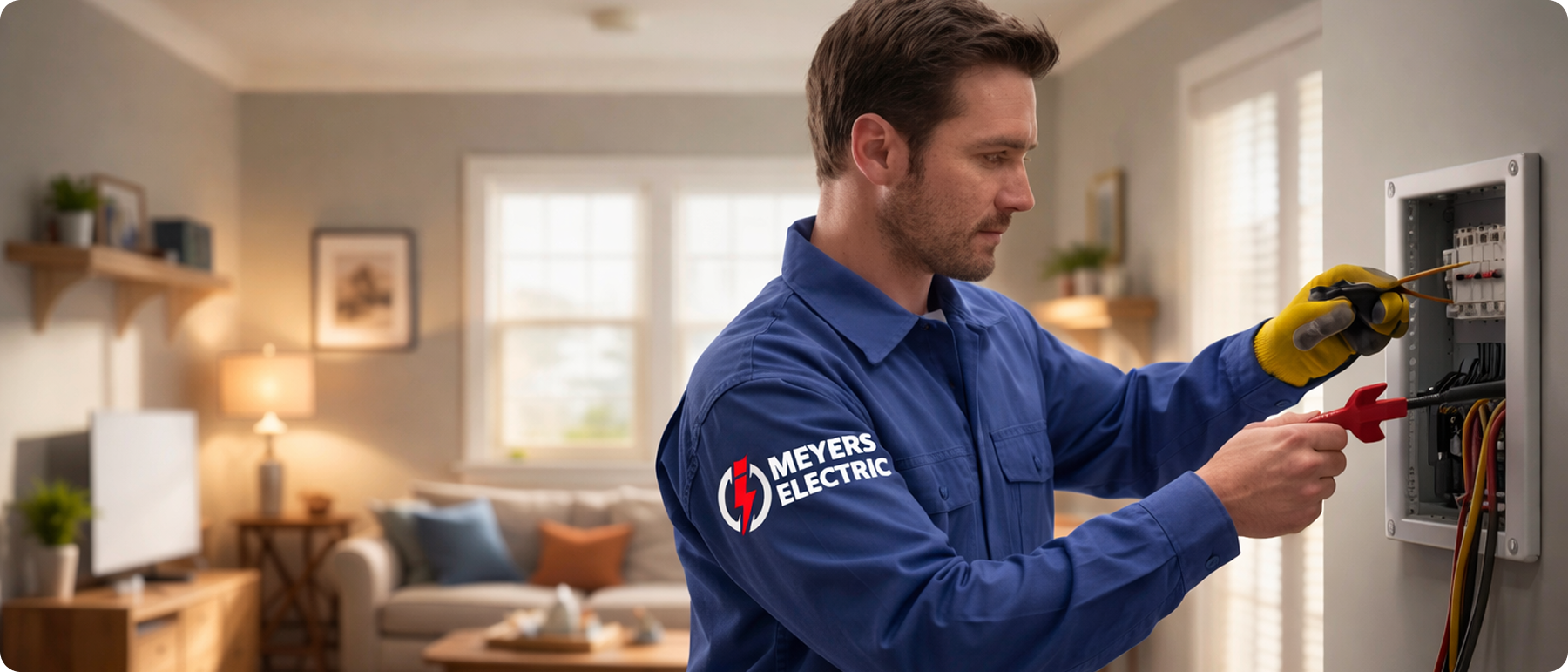
- Electrical troubleshooting and repairs
- Panel upgrades and service changes
- Lighting installations and upgrades
- Outlet, switch, and circuit installations
- Standby generator installation and service
- Whole-Home Surge Protection
- Hot Tubs, Saunas, & EV Chargers
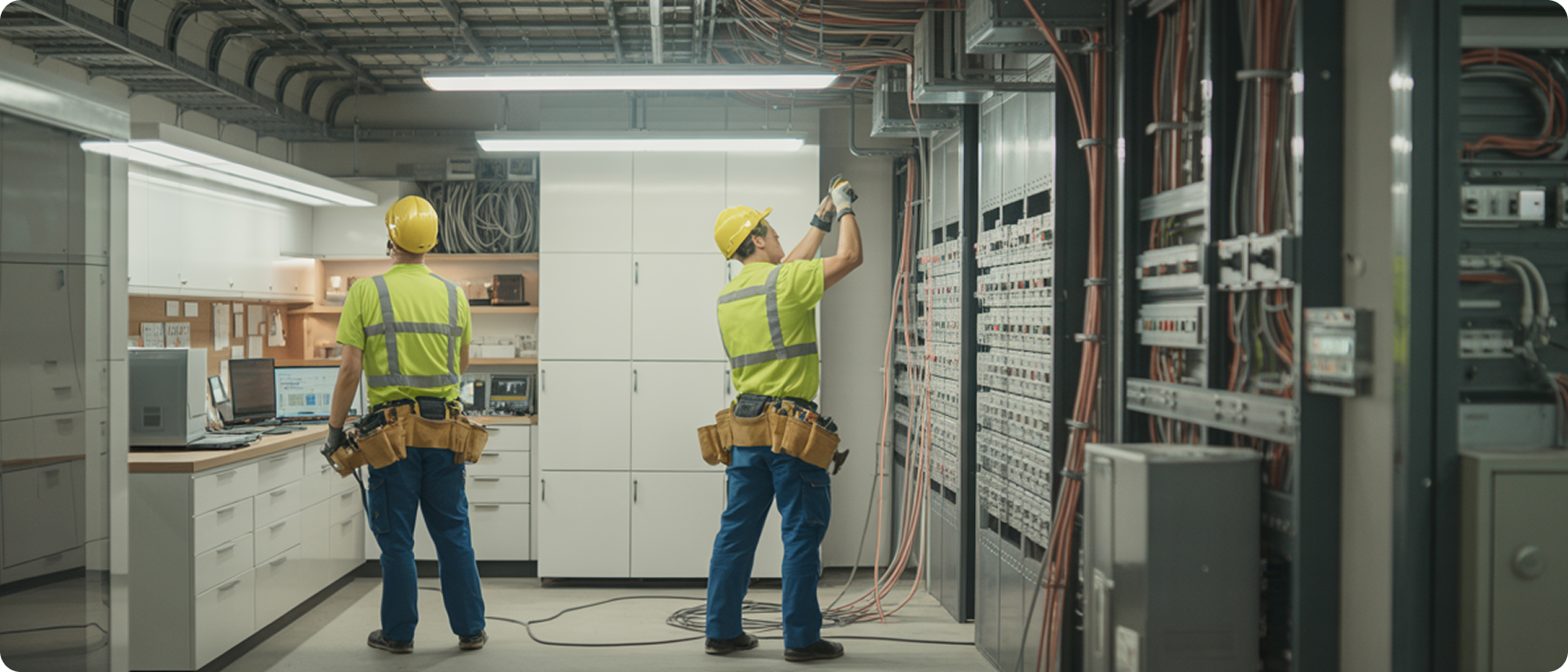
- New construction and tenant build-outs
- Electrical maintenance and repairs
- Lighting systems and retrofits
- Power distribution and panel work
- Backup power and generator systems
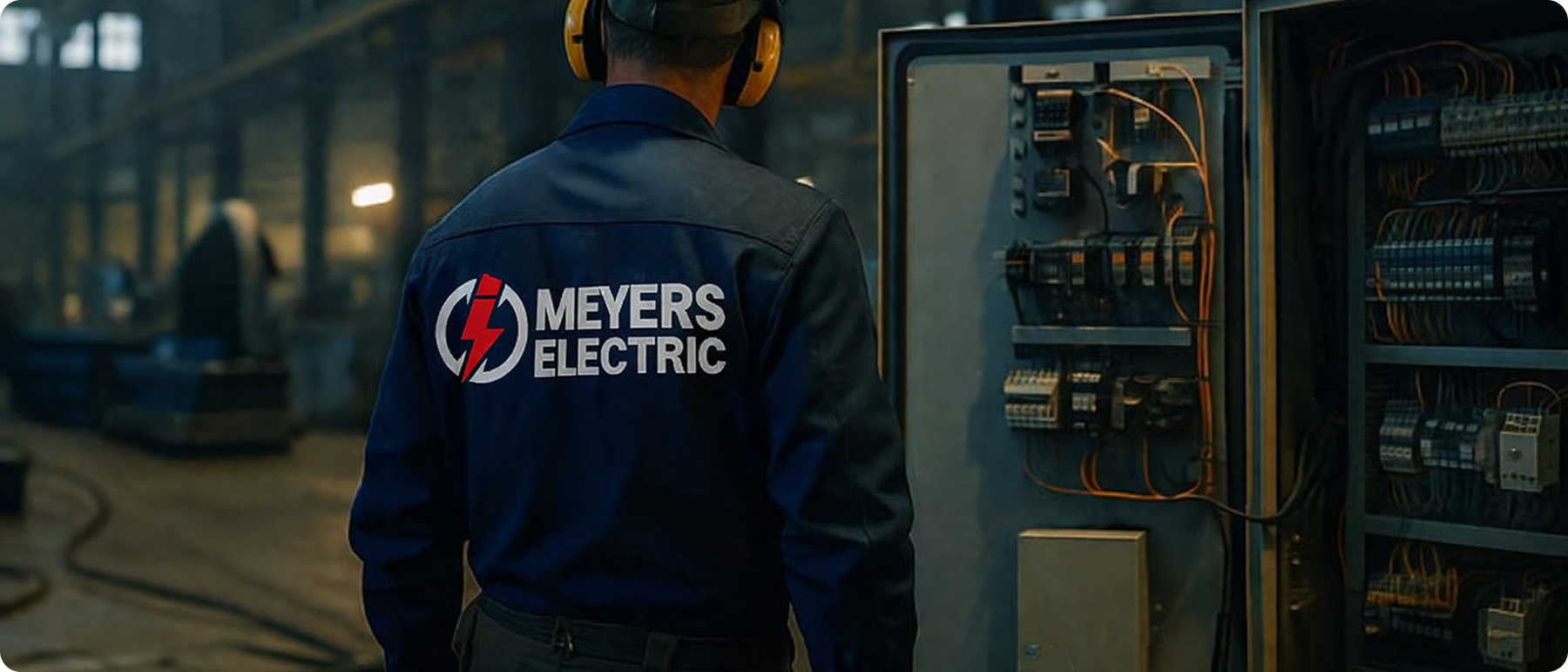
- Equipment and machinery wiring
- Control panels and power distribution
- Preventive electrical maintenance
- System upgrades and troubleshooting
- Code compliance and safety improvements
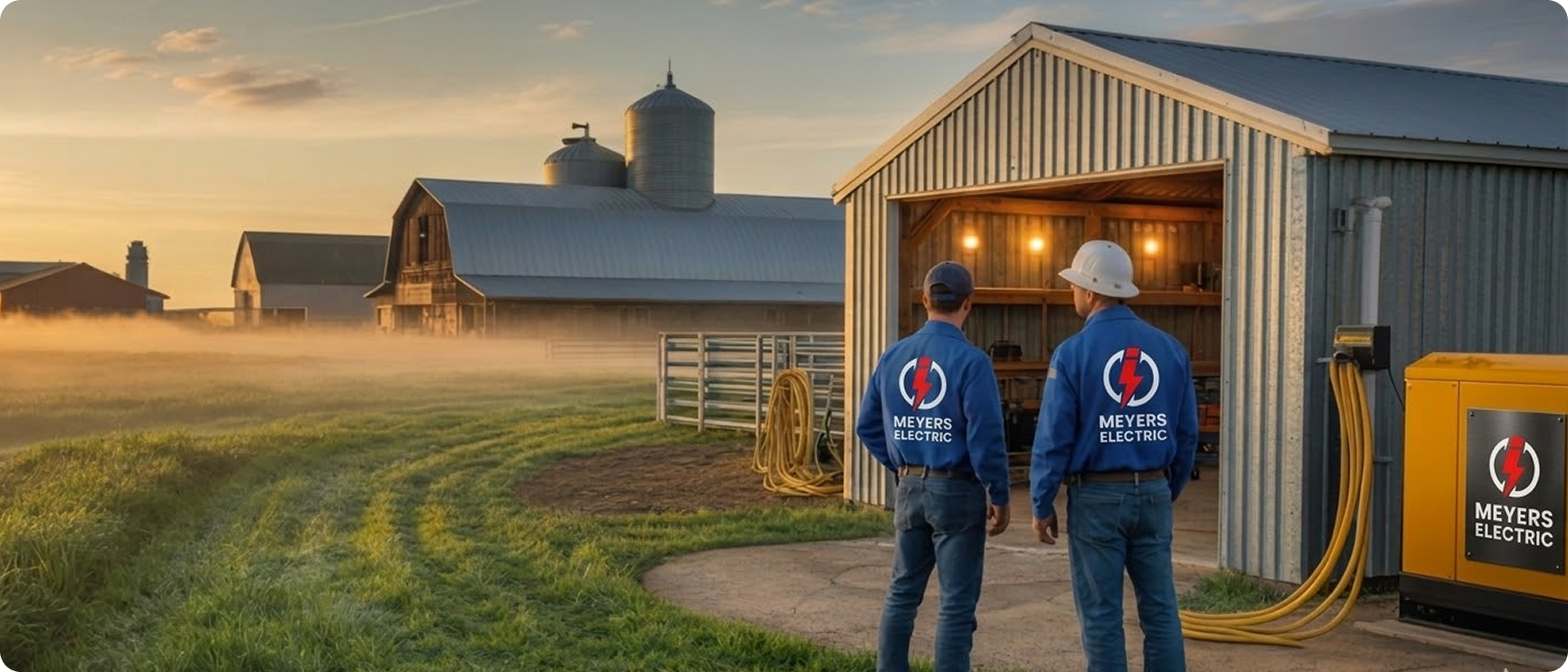
- Farm buildings and facility wiring
- Grain handling and equipment power
- Milking parlor and livestock systems
- Electrical repairs and upgrades
- Standby generators for farm operations
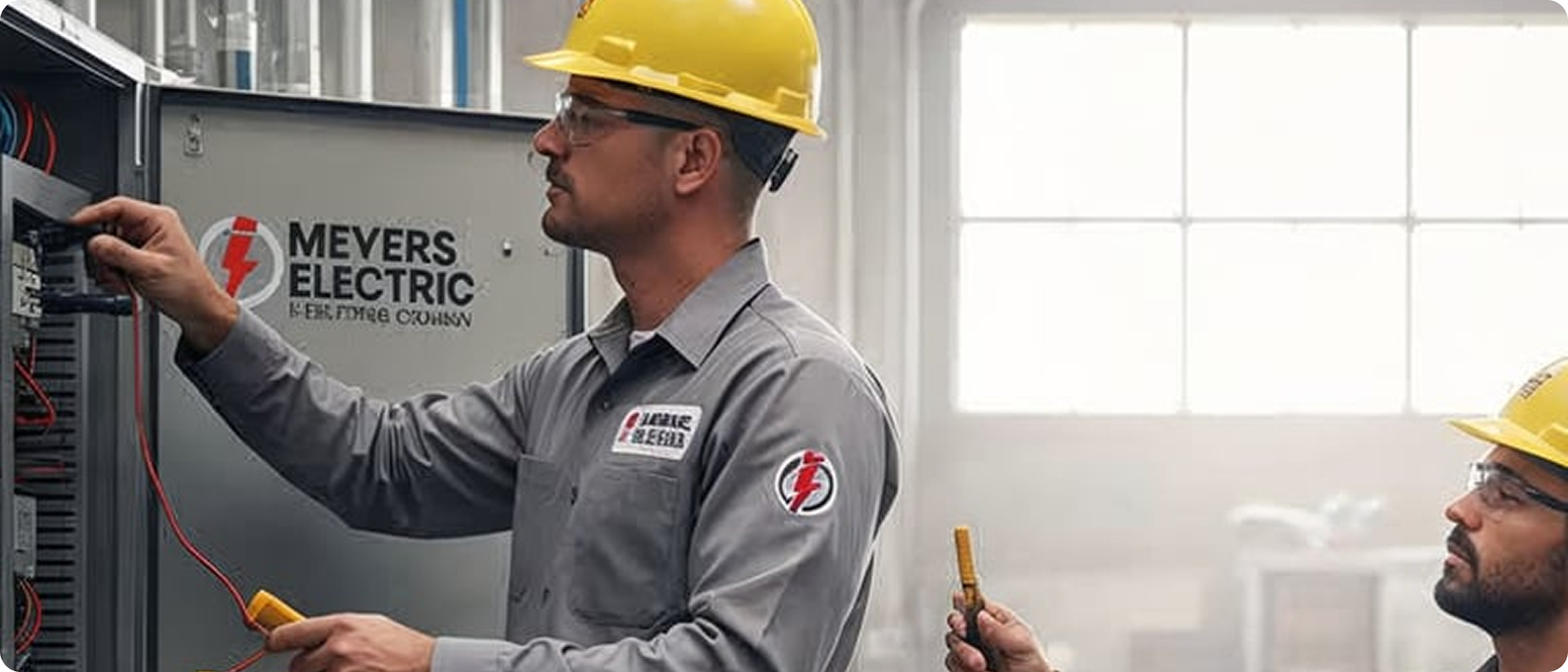
- Municipal buildings and facilities
- Street and site lighting
- Utility and infrastructure support
- Electrical maintenance and upgrades
- Code-compliant public installations
- Testimonials
Meyers Electric Testimonials

Posted on GoogleTrustindex verifies that the original source of the review is Google. Austin brings his knowledge and professionalism to the job and completes the work in a timely fashion.Posted on GoogleTrustindex verifies that the original source of the review is Google. The team was quick to schedule and complete our requested items. They did a fantastic job!Posted on GoogleTrustindex verifies that the original source of the review is Google. Timely, knowledgeable and professional in their work They did a great job and did not leave a mess!Posted on GoogleTrustindex verifies that the original source of the review is Google. Very helpful people here, help me get the right partPosted on GoogleTrustindex verifies that the original source of the review is Google. They recently came and fixed an outdoor outlet for me. They did a great job! They have done work for me in the past and it has always been good working with them.Posted on GoogleTrustindex verifies that the original source of the review is Google. We have a Cummins emergency generator that's been in service for 12 years and twice over the past year has required on site repairs. My local electrician recommended contacting Meyers, and when I did they promptly responded in were at our home the next day. (We're over an hour from Rice Lake....) Austin is the technician that showed up to do the work, and in both cases he quickly discovered the issues and replaced failed parts to get us up and running again. On the second call, he suggested he could take the broken part to a local welder to repair, rather than pay over $1000 for a replacement component from Cummins. It took a few days to get that repair done, but I can only imagine what the bill would have been if I would called our Cummins service from Duluth! Meyers is a class act, and I very much appreciate Jake and Austin and the rest of the Meyers Electric crew.Posted on GoogleTrustindex verifies that the original source of the review is Google. Reliable, honest and dependable! Great timely service technicians and electricians, and sweet office staff that always helps to find a solution to the problem.Posted on GoogleTrustindex verifies that the original source of the review is Google. Wow, I had three small electrical projects I wanted quotes for. They grouped them together in one quote the first time, then three weeks later they sent a refined quote separating parts and labor. All I wanted was quotes for the three projects but the office manager refused to pass on the message and instead wanted me to again speak with someone from the field, which I have already done. She repeatedly said it was too complicated... one project was to replace two dimmer switches, the other project is to replace two bathroom exhaust fans, the third is to run electricity down a hill to have an outlet 30 yards from the home. Yeah, I guess they are too complicated.
- FAQ’s
Frequently Asked Questions
Why do campground electrical systems fail during peak season?
Campground power systems are stressed most during summer weekends when occupancy is high. Multiple RVs running air conditioners, appliances, and chargers simultaneously can overload outdated pedestals, panels, or distribution lines. Without proper load balancing and infrastructure planning, voltage drops and breaker trips become common.
How much power does an RV campground need per site?
Most modern RV sites require 30-amp or 50-amp service, but total demand depends on site density and usage patterns. Many older campgrounds were not designed for today’s electrical loads, which include air conditioning, electric vehicles, and multiple onboard appliances. A professional load analysis is essential before adding or upgrading sites.
Are RV pedestals required to meet specific electrical codes?
Yes. RV pedestals must comply with national and state electrical codes, including proper grounding, GFCI protection, conductor sizing, and weather-rated components. Because they are public-facing electrical systems, inspections and compliance standards are stricter than residential installations.
Why do breakers trip so often at campgrounds?
Frequent tripping is usually caused by overloaded circuits, unbalanced loads across pedestals, aging infrastructure, or improper wiring. In some cases, multiple RVs may be drawing power from a single undersized feeder, causing repeated interruptions during high-demand periods.
Do campgrounds need standby generators?
While not always legally required, standby generators are strongly recommended. Power outages can shut down wells, pumps, restrooms, reservation systems, and security lighting. Many campground operators install generators to maintain operations, protect guests, and avoid revenue loss during storms or utility outages.
What should a campground generator power first?
Critical systems typically include:
- Campground offices and reservation systems
- Wells, pumps, and water treatment equipment
- Bathhouses and restroom facilities
- Security lighting and communications
Generator sizing should be based on priority loads, not just total square footage.
How often should campground electrical systems be inspected?
Most operators perform inspections annually before peak season. Seasonal inspections help identify failing pedestals, damaged underground wiring, lighting issues, and compliance concerns before guests arrive. Preventive inspections are far less costly than emergency repairs during full occupancy.
Can campgrounds add more RV sites without upgrading electrical service?
In most cases, no. Adding RV pads, cabins, or amenities increases electrical demand and often exceeds the capacity of existing panels, transformers, or feeders. Expansions should always include electrical planning to avoid overloads, safety risks, and inspection failures.
Why is outdoor electrical work more expensive at campgrounds?
Outdoor electrical systems require weather-rated materials, deeper trenching, proper drainage, and additional safety measures. Campgrounds also involve longer distribution runs and coordination with utilities, which increases complexity compared to standard residential projects.
What are the biggest electrical safety risks at campgrounds?
Common risks include damaged pedestals, improper grounding, moisture intrusion, aging underground wiring, and non-compliant temporary fixes. Because guests interact directly with electrical equipment, safety issues carry higher liability and must be addressed promptly.
Should campground lighting be on a separate electrical circuit?
Yes. Pathways, parking areas, and security lighting should be on dedicated circuits to prevent outages affecting essential systems. Proper lighting design improves safety, visibility, and compliance while reducing nuisance trips.
How long do campground electrical upgrades usually take?
Project timelines depend on scope and season. Many upgrades are scheduled during the off-season to avoid guest disruption. Smaller pedestal or lighting upgrades can often be completed quickly, while full distribution upgrades require planning, permitting, and coordination.
Is it better to repair old electrical systems or replace them?
Temporary repairs may solve short-term issues, but aging infrastructure often continues to fail under load. Many operators choose phased upgrades—starting with pedestals, panels, or generators—to improve reliability without replacing everything at once.