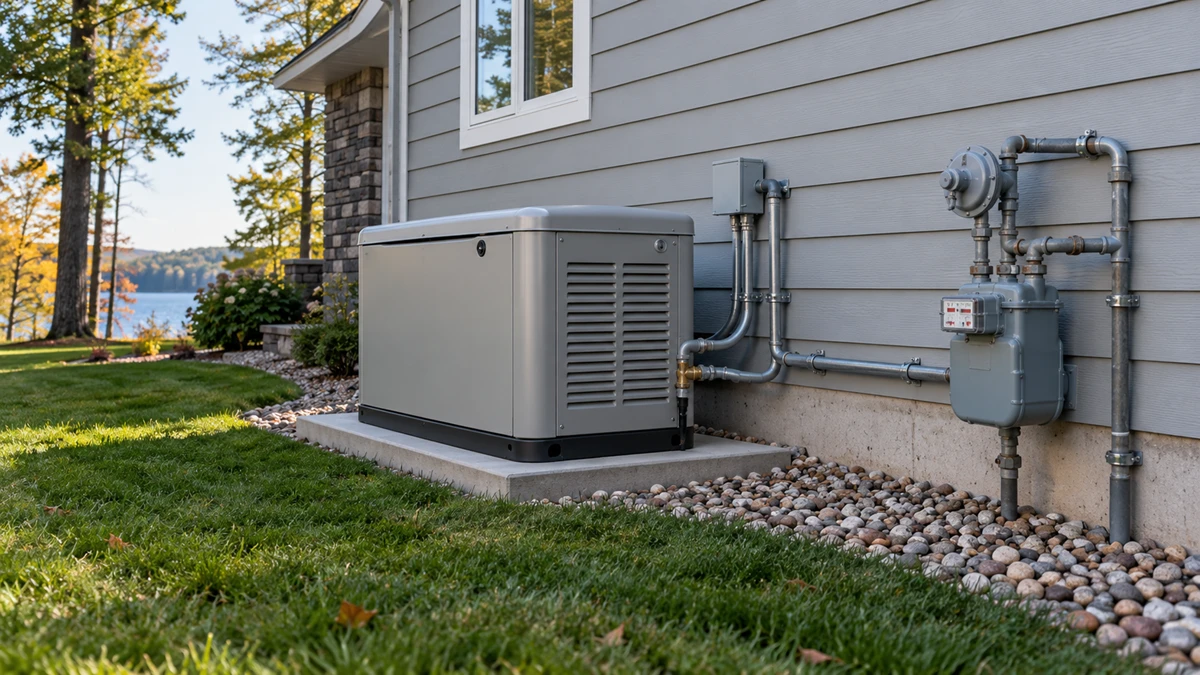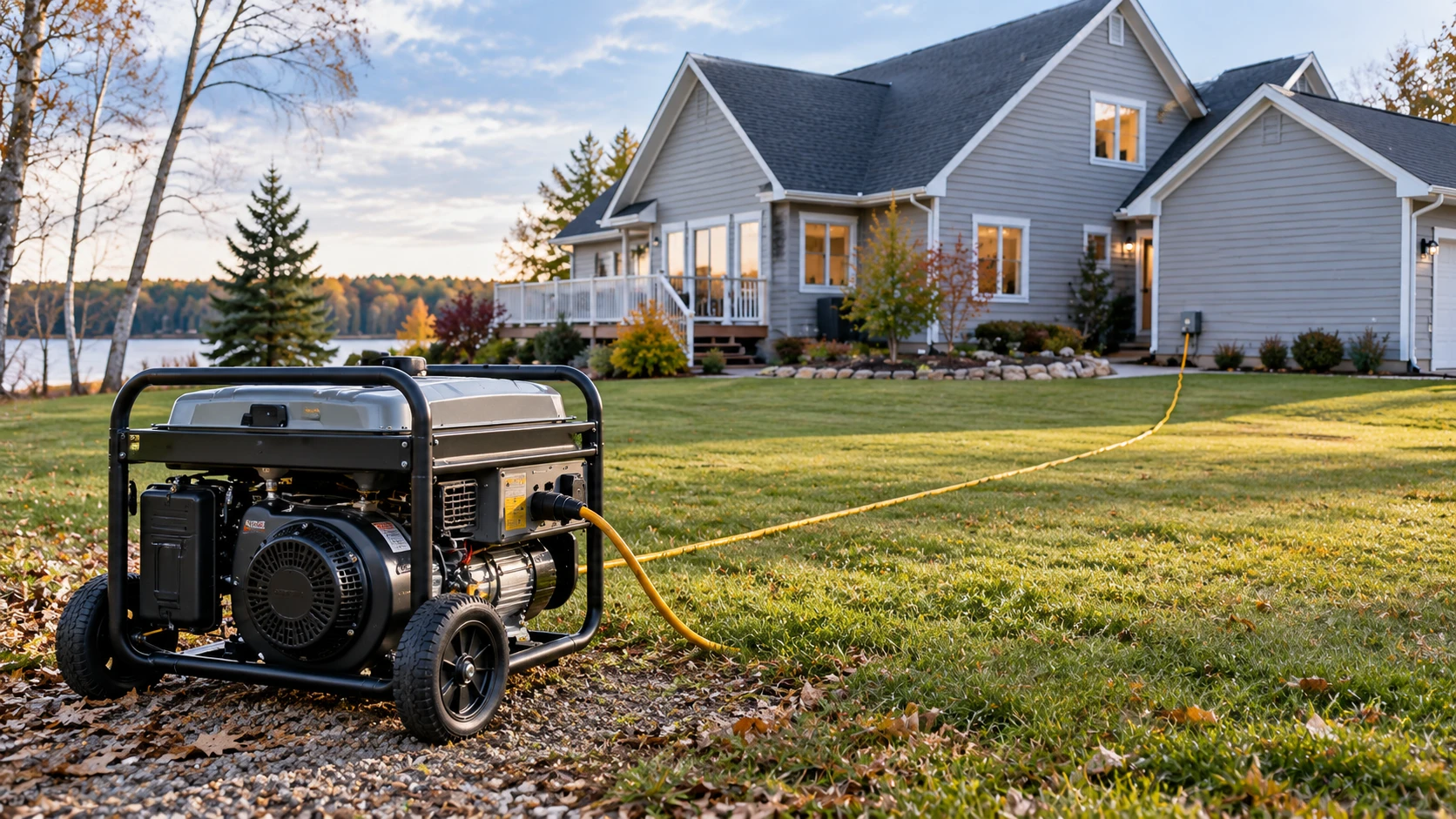

Fuel pump failure usually happens because of contaminated fuel, overheating, electrical faults, or simple wear over time. If your generator or engine struggles to start, stalls often, or runs unevenly, the fuel pump is often the root cause.
Table of Contents
Understanding Fuel Pump Failure
A fuel pump keeps fuel moving from the tank to the engine. When it fails, everything downstream suffers. This applies to cars, diesel generators, and backup systems used across Eau Claire, Wisconsin, Chippewa Falls, Wisconsin, and Menomonie, Wisconsin where reliable power matters year-round.
Before diving into deeper causes, let’s break down the core triggers.
Three Causes of Fuel Pump Failure
1. Contaminated Fuel
Dirt, water, or debris in fuel can clog internal components and restrict proper flow. Over time, this build-up can damage sensitive parts inside the pump, leading to performance issues. Contaminated fuel is one of the most overlooked generator failure causes, especially when fuel storage or handling is not properly maintained.
2. Overheating
Fuel pumps rely on a steady supply of fuel for cooling and lubrication. When a generator runs on low fuel levels, the pump is exposed to excess heat, which can cause internal wear and reduce its lifespan. Prolonged overheating is a common contributor to generator failure causes, particularly in systems that are not regularly monitored.
3. Electrical Issues
Loose wiring connections, blown fuses, or voltage fluctuations can interrupt the fuel pump’s operation. These electrical inconsistencies are especially common in generators and can lead to sudden shutdowns or irregular performance. In many cases, unresolved electrical faults become major generator failure causes if not diagnosed early.
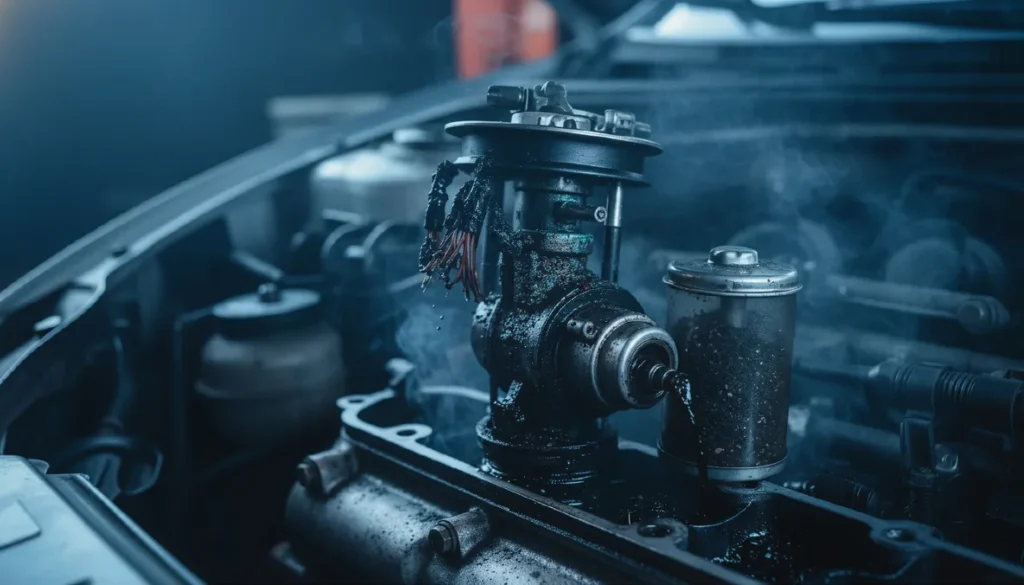
8 Most Common Fuel Pump Failure Causes
Here are the most frequent reasons behind fuel pump failure:
- Dirty fuel filters blocking flow
- Running the tank too low too often
- Corroded electrical connections
- Poor quality or old fuel
- Overworked generators
- Faulty relays or wiring
- Wear from long-term use
- Improper installation or maintenance
These issues show up in both vehicles and diesel generators across Northwestern Wisconsin, especially in areas relying on backup power systems.
Generator Problems & Causes
Generators depend heavily on consistent fuel delivery. When the pump fails, problems show up quickly.
Common generator-related issues include:
- Engine cranking but not starting
- Sudden shutdown under load
- Reduced power output
- Irregular fuel flow
These are often tied to Fuel pump failure causes, especially when maintenance is skipped.
Generators That Won’t Start or Run: Is the Fuel Bad?
Bad fuel is one of the most overlooked problems, yet it’s often the root cause behind generator performance issues.
Fuel naturally degrades over time. As it sits, moisture begins to build up, and sediment settles at the bottom of the tank. When contaminated fuel eventually reaches the system:
- Filters start to clog
- Injectors can become blocked
- Fuel pumps are forced to strain just to maintain proper flow
This not only reduces efficiency but can also lead to long-term damage if ignored.
Understanding how automatic generators work makes this even more important. These systems rely on clean, consistent fuel flow to start instantly during a power outage. If the fuel quality is compromised, the generator may struggle to start or fail when you need it most.
If your generator has been sitting unused for a while, checking fuel quality should always be step one. It’s a simple check that can prevent much bigger and more expensive problems down the line.
Why Does My Cummins Generator Fuel Pump Burn Out?
Cummins generators are known for reliability, but fuel pump burnout still happens.
Main reasons include:
- Continuous operation without cooling breaks
- Low fuel levels causing overheating
- Electrical surges damaging pump circuits
- Poor maintenance schedules
If you notice Weak fuel pump symptoms, like delayed starts or sputtering, the pump may already be under stress.
Reasons of Diesel Generator Fuel Pump Failure
Diesel systems are durable, but not immune.
Key causes include:
- Thickened fuel in cold climates
- Air entering fuel lines
- Injector blockages
- High-pressure system strain
These are common in rural and industrial setups across Wisconsin.
If you’re comparing costs, understanding the Diesel Generator Fuel Pump Price also helps you plan maintenance instead of waiting for breakdowns.
Generator Is Not Getting Fuel
If your generator runs dry despite having fuel in the tank, the issue is usually mechanical or electrical.
Check for:
- Clogged fuel lines
- Faulty pump relay
- Airlocks in the system
- Blocked filters
This situation often leads to Bad fuel pump symptoms when starting, where the engine turns over but doesn’t ignite.
Generator Won’t Run. No Fuel to Fuel Pump.
This is slightly different from the previous issue.
Here, fuel never even reaches the pump.
Possible causes:
- Tank valve closed or blocked
- Broken suction line
- Severe filter clogging
- Electrical failure stopping pump activation
If left unchecked, this can damage other engine components.
Symptoms You Should Not Ignore
Recognizing early warning signs can save time and money.
Common Signs:
- Hard starting
- Engine sputtering
- Sudden power loss
- Unusual noise from fuel tank area
- Generator failing under load
These match classic Weak fuel pump symptoms and should be addressed quickly.
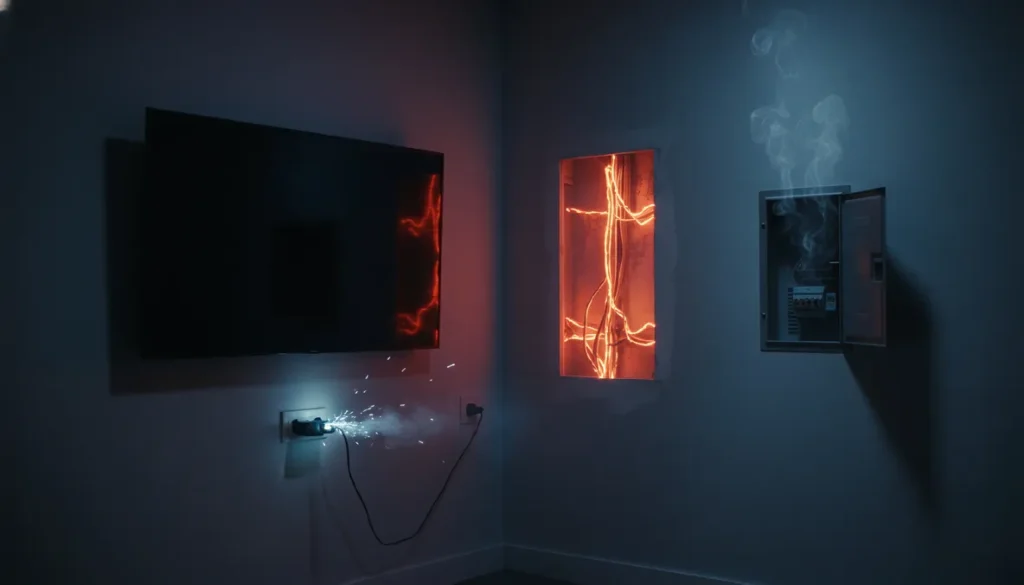
Diesel Generator Problems and Solutions
Here’s a quick breakdown:
| Problem | Likely Cause | Solution |
| Generator won’t start | Bad fuel or pump failure | Replace fuel, inspect pump |
| Power drops under load | Weak pump | Test fuel pressure |
| Irregular running | Air in fuel lines | Bleed system |
| Complete shutdown | Electrical fault | Check wiring and relays |
Routine inspection helps avoid emergency repairs.
Local Support Matters
In regions like Northwestern Wisconsin, reliable backup power is essential especially during harsh winters and unexpected outages. Whether you’re running a home generator or managing industrial equipment, having access to trusted electrician services can make a significant difference in maintaining consistent performance and safety.
When issues arise, understanding the cost to repair generator issues becomes just as important as fixing the problem itself. A qualified electrician can quickly diagnose faults, prevent further damage, and provide transparent pricing so you know exactly what to expect. From minor electrical fixes to more complex generator repairs, professional support ensures your system runs efficiently when you need it most.
If you’ve searched for an electrician near me, you already know how important fast response times are. Local experts like Meyers Electric understand regional challenges such as cold weather impacts on diesel systems.
For direct help, you can reach out at 715-234-3901 when dealing with persistent generator or fuel system issues.
Preventing Fuel Pump Failure
A few simple habits go a long way:
- Keep fuel tanks at least one quarter full
- Replace fuel filters regularly
- Use clean, high-quality fuel
- Run generators periodically to avoid stagnation
- Inspect wiring and connections
Preventive maintenance is always cheaper than replacement.
FAQs
What are the early signs of a failing fuel pump?
You may notice slow engine starts, sputtering, or sudden drops in power. These signs usually appear before complete failure and should be checked immediately.
Can bad fuel damage a fuel pump?
Yes, contaminated or old fuel can clog internal components and force the pump to work harder. Over time, this leads to overheating and eventual failure.
How often should a diesel generator fuel system be serviced?
It depends on usage, but most systems should be inspected every 6 to 12 months. Heavy use requires more frequent checks to prevent unexpected breakdowns.
Is it expensive to replace a fuel pump in a generator?
Costs vary based on generator size and model. However, early diagnosis often reduces repair costs compared to full replacement.
Conclusion
Fuel pump failure rarely happens without warning. Most cases come down to contaminated fuel, overheating, or electrical issues. By paying attention to early symptoms and maintaining your system, you can avoid costly downtime.
If your generator is struggling or showing signs of fuel issues, addressing the problem early keeps your equipment running when you need it most.